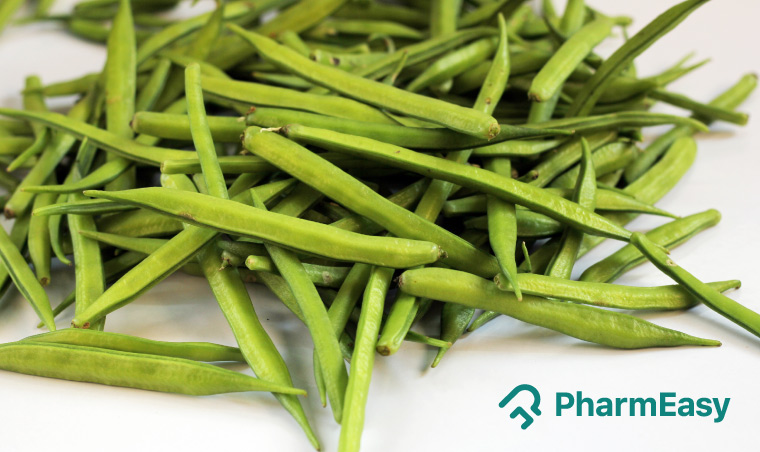
Cluster Beans (Guar): A Nutritional Powerhouse from India
Meena, 45, a homemaker from Jaipur, noticed persistent bloating and discomfort after meals. For years, she attributed it to eating too much during festivals or the occasional indulgence in rich Rajasthani cuisine. However, the discomfort became a daily companion, impacting her energy levels and overall mood.
Her doctor suggested incorporating more nutrient-rich foods into her diet, and Meena, remembering her grandmother’s cooking, decided to revisit guar, or 'Gawar ki phalli' as it’s known in many Indian households. Does this sound familiar? Many of us have ancestral wisdom readily available in our kitchens, yet modern life often pushes these simple, effective remedies to the side.
Guar, scientifically known as Cyamopsis tetragonoloba, are a staple in Indian cuisine, particularly in the arid and semi-arid regions of Rajasthan, Gujarat, and Haryana. These legumes, which grow in pods, are not just a culinary delight but also a treasure trove of nutrients. Honestly, their humble appearance belies a significant impact on our well-being. In many cases, people overlook them in favour of more exotic vegetables, unaware of the profound benefits they offer. For instance, over 101 million Indians have diabetes (ICMR, 2023), and incorporating foods like guar, which can help manage glucose levels, becomes crucial.
The Rich Nutritional Profile of Cluster Beans
Guar are an excellent source of dietary fibre, vitamins, and minerals. 5 grams of fibre, which is about 14% of the recommended daily intake. This high fibre content is one of their most celebrated attributes.
Beyond fibre, they offer notable amounts of Vitamin K, Vitamin C, folate, and Vitamin A. Minerals like potassium, iron, and manganese are also present in good quantities. This dense nutritional profile makes them a valuable addition to any balanced diet, contributing to overall vitality and illness prevention.
Most people overlook this completely.
Digestive Health Champion
The high soluble and insoluble fibre content in guar plays a pivotal role in maintaining a sound digestive system. Insoluble fibre adds bulk to the stool, promoting regular bowel movements and preventing constipation — a common ailment affecting millions across India. Soluble fibre, on the other hand, acts as a prebiotic, feeding beneficial gut bacteria.
A healthy gut microbiome is increasingly linked to numerous aspects of well-being, including immunity, mood, and even skin health. Practically speaking, incorporating guar regularly can significantly alleviate digestive discomfort and promote a more efficient gastrointestinal tract. The World Health Organization (WHO) recommends a daily fibre intake of at least 25 grams for adults, and guar can assist you reach that target.
Blood Sugar Management
For individuals managing diabetes or seeking to prevent its onset, guar offers a ray of hope. The fibre, particularly soluble fibre, slows down the absorption of sugar into the bloodstream, preventing sharp spikes and crashes in glucose levels. Studies published in journals like The Lancet have indicated that high-fibre diets can improve glycemic control in individuals with type 2 diabetes.
On top of that,, the glycemic index (GI) of guar is relatively low, meaning they cause a slower and smaller rise in glucose levels compared to high-GI foods. This makes them an ideal vegetable for diabetics and pre-diabetics alike. Remember, managing glucose is a cornerstone of preventing long-term diabetic complications, such as nerve damage and kidney disease.
The numbers don't lie.
Heart Health Benefits
The benefits of guar extend to cardiovascular well-being. The soluble fibre present in them can benefit lower LDL (low-density lipoprotein) cholesterol, often referred to as 'bad' cholesterol. By binding to cholesterol in the digestive tract and preventing its absorption, guar contributes to healthier lipid profiles.
Additionally, the potassium content helps regulate pressure by counteracting the effects of sodium. Maintaining sound pressure and cholesterol levels are critical for reducing the risk of heart disease, stroke, and other cardiovascular issues. The Indian Heart Association also emphasizes the importance of a diet rich in fibre and potassium for cardiac health.
Weight Management Support
If you are looking to manage your weight, guar can be a valuable ally. Their high fibre and water content promote a feeling of fullness, helping to curb appetite and reduce overall calorie intake. This makes it easier to stick to a healthy eating plan without feeling deprived.
The low-calorie nature of guar, combined with their nutrient density, means you can enjoy a satisfying meal without consuming excessive calories. Worth knowing: Guar gum, derived from guar, is often used as a thickening agent and dietary supplement for weight management due to its remarkable ability to absorb water and expand in the stomach.
This is where most patients struggle.
Bone Health and Antioxidants
Guar are a good source of Vitamin K, a fat-soluble vitamin essential for bone health. Vitamin K makes a real difference in calcium metabolism and bone mineralization, helping to strengthen bones and reduce the chance of osteoporosis. On top of that,, they contain antioxidants like Vitamin C, which aid combat oxidative stress caused by free radicals in the body.
Antioxidants are vital for protecting cells from damage and may play a role in reducing the likelihood of chronic diseases, including certain cancers. A study from the All India Institute of Medical Sciences (AIIMS) highlighted the role of nutrient-dense vegetables in promoting cellular vitality.
Culinary Uses of Cluster Beans in India
In Indian cuisine, guar are prepared in numerous ways, showcasing their versatility. They are often chopped and stir-fried with spices, forming a popular side dish. A simple 'Gawar ki Sabzi' might involve tempering with mustard seeds, cumin, turmeric, and asafoetida, followed by simmering the beans until tender. They pair wonderfully with lentils, especially toor dal, adding both flavour and texture.
Some regional preparations involve adding a souring agent like tamarind or dried mango powder to balance the slight bitterness some varieties can have. During the monsoon season, when fresh vegetables can be scarce, guar often feature prominently in meals. Their preparation often involves sitting on the floor and chopping them, a widespread practice in many Indian kitchens, fostering a connection with traditional cooking methods.
This is where most those affected struggle.
The seeds of the guar plant are the source of guar gum, a highly sought-after ingredient in the food industry worldwide. Guar gum is used as a thickening, stabilizing, and emulsifying agent in products ranging from ice cream and sauces to baked goods and pharmaceuticals.
This industrial application underscores the meaningful economic and nutritional value derived from this humble legume.
Potential Side Effects and Precautions
While guar are generally safe and beneficial for most people, some precautions should be considered. Their high fibre content, while beneficial, can cause gas, bloating, and abdominal discomfort if introduced too quickly into the diet, especially for individuals not accustomed to high-fibre foods. It is advisable to increase fibre intake gradually and ensure adequate water consumption to enable the digestive system adjust. So what does this mean for you?
Start with small portions. Listen to your body. This helps.
Individuals with certain digestive conditions, such as Irritable Bowel Syndrome (IBS) or small intestinal bacterial overgrowth (SIBO), might find that high-FODMAP foods like guar exacerbate their symptoms. It is always best to consult with a healthcare professional or a registered dietitian before making marked changes to your diet, especially if you have pre-existing health conditions.
Honestly, understanding your personal tolerance is key to reaping the benefits without discomfort.
Excessive consumption of guar gum, either through food or supplements, has been linked to potential side effects like oesophageal obstruction or intestinal blockage in rare cases, particularly if not consumed with sufficient fluids. However, the amounts typically consumed through regular dietary intake of guar are unlikely to cause such issues.
That's the part worth remembering.
The International Diabetes Federation (IDF) also notes that while dietary fibre is beneficial for diabetes management, individual responses can vary.
Key Takeaways
- Guar are rich in dietary fibre, vitamins (K, C, A, folate), and minerals (potassium, iron).
- They significantly aid digestive health by promoting regular bowel movements and feeding beneficial gut bacteria.
- The fibre content helps in managing glucose levels, making them beneficial for individuals with diabetes.
- Guar contribute to cardiac health by helping to lower cholesterol and regulate pressure.
- Their high fibre and water content can support weight management efforts by promoting satiety.
Always consult a qualified physician before making any medical decisions.