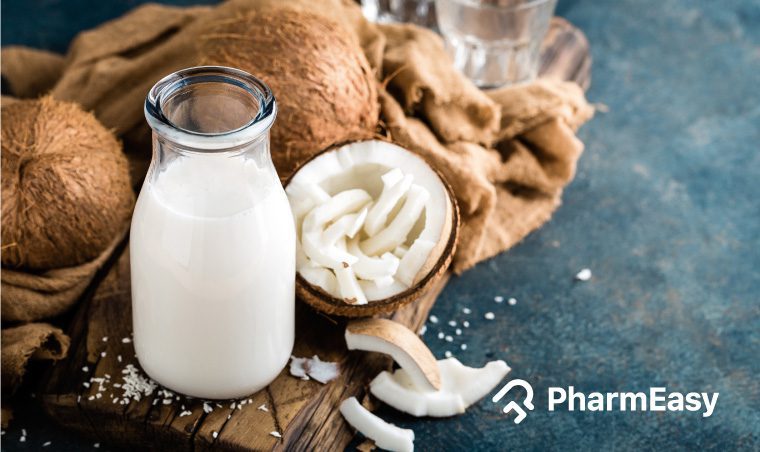
Coconut Milk: A Tropical Delight with Remarkable Nutritional Advantages
Meena, 45, a homemaker from Jaipur, noticed her skin had become unusually dry and dull, especially after the monsoon. She also struggled with occasional digestive discomfort.
Her neighbour, a keen follower of traditional South Asian diets, suggested incorporating this creamy liquid into her meals. Meena was hesitant, having heard conflicting information about its fat profile.
Have you ever wondered why this tropical extract is so popular, not just in South Asian cuisine but globally? It’s a creamy, versatile liquid extracted from the flesh of mature coconuts.
This article will explore its nutritional composition, potential wellness advantages, culinary applications, and possible drawbacks, providing you with a clear understanding of this tropical wonder.
Nutritional Profile of Coconut Milk
This beverage is rich in beneficial fats, vitamins, and minerals. The exact nutritional makeup can vary depending on the concentration (full-fat vs. light) and the brand.
3 grams of protein. The predominant type of saturated fat is lauric acid, a medium-chain triglyceride (MCT) that the body metabolises differently than other fats.
What most people miss is that these MCTs are rapidly absorbed and can be used as an immediate energy source. Think about it this way: the body can convert MCTs into ketones, which may have therapeutic benefits for cognitive function.
Additionally, this milk provides small amounts of essential minerals like manganese, copper, selenium, and iron. It is also a good source of certain B vitamins, though not typically considered a primary source for most micronutrients.
Key Macronutrients and Micronutrients
- Calories: Around 230 kcal per 100g (full-fat).
- Fat: Primarily saturated fat (approx. 24g per 100g), dominated by lauric acid.
- Carbohydrates: Low, around 2.3g per 100g.
- Protein: Also low, about 2.3g per 100g.
- Minerals: Good source of manganese, copper, and selenium.
Wellness Advantages of Coconut Milk
The benefits of this tropical extract are often debated, largely due to its saturated fat composition. However, emerging research, supported by institutions like the World Health Organization (WHO), suggests that not all saturated fats are created equal.
This is where most patients struggle.
The unique composition of fats in this beverage, particularly the high proportion of MCTs, may offer several wellness advantages.
Cardiovascular Wellness
While the high saturated fat content might seem concerning for heart wellness, studies have shown mixed results. Some research indicates that this liquid may help improve cholesterol levels. For instance, a study published in the *Journal of the American College of Nutrition* found that consuming it could potentially lower LDL (bad) cholesterol and increase HDL (good) cholesterol.
The high lauric acid content is thought to play a role here. However, it's crucial to consider the overall dietary pattern. The Indian Council of Medical Research (ICMR) advises moderation in saturated fat intake for cardiovascular well-being.
Weight Management
The reality is, the MCTs in this beverage can promote satiety, helping you feel fuller for longer. This effect can potentially reduce overall calorie intake, aiding in weight management. A review in *The Lancet* suggested that MCTs might increase feelings of fullness more than longer-chain fatty acids.
However, due to its high calorie density, portion control is essential. It’s not a magic bullet for weight loss but can be a supportive component of a balanced diet.
Immune Support
Lauric acid, a prominent fatty acid in this tropical drink, possesses antimicrobial and antiviral properties. When digested, it forms monolaurin, a compound that can assist fight off pathogens like bacteria, viruses, and fungi.
It sounds simple. It rarely is.
This immune-boosting potential makes it a valuable addition, especially during seasons when infections are more prevalent in India, such as the post-monsoon period.
Gut Health
This liquid contains compounds that may benefit digestive well-being. Its antimicrobial properties can aid combat harmful bacteria in the digestive tract, potentially improving the balance of gut flora.
For people experiencing digestive issues, incorporating this beverage might offer some relief, though more research is needed. It is a good alternative for those with lactose intolerance, as it is dairy-free.
Skin and Hair Wellness
Traditionally, this oil and milk have been used in India for topical applications on skin and hair. The moisturizing properties can support combat dryness and boost skin elasticity.
While research on oral consumption's direct impact on skin and hair is limited, the presence of beneficial fats and antioxidants contributes to overall cellular wellness, which can reflect positively on external appearance.
Culinary Uses of Coconut Milk in India
This creamy liquid is a staple in many South Asian cuisines, particularly in the southern states like Kerala, Tamil Nadu, and Karnataka. Its creamy texture and subtly sweet flavour make it incredibly versatile in cooking. Have you ever enjoyed a flavourful fish curry or a rich vegetable korma? Chances are, this extract was a key ingredient.
It sounds simple. It rarely is.
In South Asian cooking, it's used in everything from savoury dishes like sambar and avial to sweet delicacies like payasam and puttu. The richness it imparts to curries is unparalleled.
What most people miss is its role in balancing spice levels; the creaminess can temper the heat of chillies beautifully. It's also used to make beverages, often enjoyed during festivals or as a refreshing drink on a hot day.
Examples of South Asian Dishes Featuring Coconut Milk
- Kerala Fish Curry (Meen Moilee): A mild, flavourful curry cooked in this tropical liquid.
- Hyderabadi Bagara Baingan: While often made with yogurt, some variations use this extract for added richness.
- South Asian Payasam: A popular dessert made with vermicelli or rice and sweetened with jaggery or sugar, often enriched with this creamy liquid.
- Vegetable Stew (Ishtu): A mild, fragrant stew common in Kerala cuisine.
Beyond these, it’s frequently used in marinades for meats and vegetables, adding moisture and flavour before grilling or baking. The practice of preparing food using fresh coconut milk is deeply ingrained in the culinary heritage of many South Asian households, reflecting a connection to local produce and traditional cooking methods.
Potential Side Effects and Considerations
Despite its benefits, this beverage is not without potential downsides. The high saturated fat content is the primary concern for many.
Overconsumption could potentially contribute to elevated cholesterol levels in some people, especially those with pre-existing cardiovascular conditions. The International Diabetes Federation (IDF) highlights the importance of managing fat intake for people with diabetes, and this liquid should be consumed mindfully within this context.
Honestly, the impact of saturated fat on heart wellness is complex and still debated. While lauric acid might have some beneficial effects, the overall quantity of saturated fat warrants caution.
It's advisable to opt for light versions or consume full-fat varieties in moderation, especially if you have a history of heart disease or high cholesterol. People with nut allergies should also be cautious, as botanically a fruit, it can trigger similar reactions in sensitive individuals.
That alone changes everything.
Who Should Be Cautious?
- People with high cholesterol or heart disease.
- Those managing diabetes (due to calorie and fat content).
- Individuals with suspected allergies to this fruit.
- People aiming for very low-fat diets.
Coconut Milk vs. Other Plant-Based Milks
Compared to other plant-based milks like almond or soy milk, this beverage is significantly higher in calories and fat. Almond milk, for instance, typically contains around 30-50 calories per cup with minimal fat. Soy milk offers a comparable amount of protein to cow's milk but with less fat than this tropical extract.
The choice often depends on dietary goals and taste preferences. If you're looking for a low-calorie, low-fat option, almond or rice milk might be preferable. If you seek richness, creaminess, and a distinct flavour profile, this liquid excels.
What should you actually do when choosing a milk alternative? Consider your specific nutritional needs. For lactose intolerance, all are suitable.
For those seeking protein, soy milk is a strong contender. For those prioritizing beneficial fats and a creamy texture, this beverage is a great choice, provided it's consumed in moderation. Think about it this way: each milk has a unique nutritional fingerprint.
Incorporating Coconut Milk into Your Diet
For Meena, after a week of adding a small amount of light coconut milk to her morning smoothie and using it in a vegetable korma, she started noticing a difference. Her skin felt more hydrated, and her digestion seemed smoother. The key was moderation and choosing the right type.
That alone changes everything.
You can easily incorporate this liquid into your diet in various ways. Use it as a base for smoothies, add it to your morning oatmeal or cereal, or whisk it into soups and stews for added creaminess. Light versions are ideal for beverages and lighter dishes, while full-fat varieties are best for rich curries, desserts, and sauces.
Remember the South Asian context: floor sitting during meals is frequent, and enjoying a rich, creamy dish made with this tropical extract after a long day can be incredibly comforting and satisfying. A study by AIIMS has shown that traditional dietary patterns, including the use of local ingredients like this fruit, can contribute to overall well-being when balanced.
Tips for Healthy Consumption
- Choose light versions for lower calorie and fat intake.
- Be mindful of portion sizes, especially with full-fat varieties.
- Read labels to avoid added sugars and preservatives.
- Use it as a substitute for cream or other high-fat dairy products in recipes.
Conclusion
This tropical extract is a nutritious and versatile ingredient with a unique fatty acid profile that offers potential wellness benefits, including immune support and satiety. Its rich flavour and creamy texture make it a beloved component of many South Asian dishes. While its high saturated fat content warrants mindful consumption, particularly for individuals with specific health conditions, it can be a healthy addition to a balanced diet when consumed in moderation.
The research, including insights from organizations like WHO and studies from leading South Asian institutions, continues to evolve, painting a more complex picture of dietary fats. Over 101 million people in India have diabetes (ICMR, 2023), underscoring the need for careful dietary choices, and this beverage fits into this consideration.
The numbers don't lie.
Always consult a qualified physician before making any medical decisions.
Key Takeaways
- Coconut milk is rich in medium-chain triglycerides (MCTs), particularly lauric acid, which may offer wellness benefits.
- It can contribute to satiety, potentially aiding in weight management when consumed in moderation.
- Its antimicrobial properties may support immune function.
- This liquid is a dairy-free alternative suitable for lactose-intolerant people.
- Due to its high saturated fat and calorie content, mindful consumption is advised, especially for those with cardiovascular concerns or diabetes.