Corn Flour: Uses, Benefits, and Side Effects by Dr. Rajeev Singh
Meena, 45, a homemaker from Jaipur, experienced persistent bloating and discomfort after meals, particularly after eating rotis prepared with a common grain powder. Puzzled, she questioned if her conventional cooking methods were the cause. Like Meena, many in India use various grain powders daily, frequently without fully grasping their influence on well-being. Corn flour, or makki ka atta as it's recognized in many regions of India, is a favored selection, especially during cooler periods when its warming attributes are valued. This article, authored by Dr. Rajeev Singh, aims to offer a clear, evidence-based comprehension of corn flour's dietary role, exploring its varied applications, notable advantages, and possible drawbacks.
What Exactly is Corn Flour?
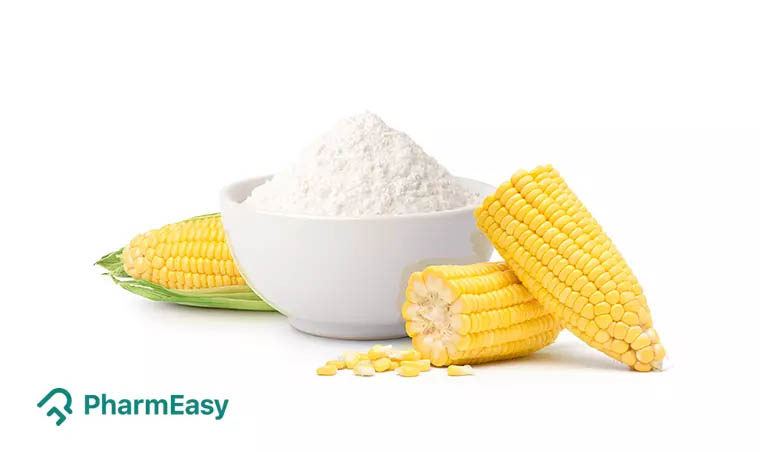
Corn flour is a finely milled powder derived from dried whole corn kernels. It serves as a fundamental ingredient in kitchens throughout India, especially within North Indian culinary traditions, where it transforms into light makki ki roti, a comforting dish frequently served with generous amounts of white butter and seasonal vegetables. In practical terms, the milling process can differ, yielding distinct textures.
Fine corn flour is typically employed for enriching sauces and gravies, whereas coarser grinds are ideal for baking and creating flatbreads. It is essential to differentiate corn flour from cornstarch, which originates solely from the starchy endosperm of the corn kernel and is primarily utilized as a binding agent due to its elevated starch concentration. Corn flour, conversely, incorporates the entire kernel—bran, germ, and endosperm—contributing a different nutritional makeup and taste profile.
Nutritional Profile of Corn Flour
Corn flour presents a moderate nutritional composition. It stands as a beneficial source of carbohydrates, supplying vitality for daily pursuits. It also contains dietary sustenance, which is vital for digestive wellness. Additionally, this grain powder offers specific B vitamins, such as thiamine and niacin, alongside minerals like phosphorus and magnesium.
While it does not match the protein levels of powders like wheat or gram, its dietary sustenance contribution can significantly bolster a well-rounded diet. For those monitoring blood glucose, understanding the glycemic index (GI) of corn flour is pertinent. Although generally considered to possess a moderate GI, this can fluctuate depending on processing and preparation techniques. The National Institute of Nutrition (NIN) in India suggests integrating a range of whole grains and powders into one's diet to guarantee a wide array of nutrients.
Here's where it gets interesting.
Health Benefits of Incorporating Corn Flour
Digestive Health and Fiber
The dietary sustenance found in corn flour represents one of its most significant advantages. Dietary sustenance assists in promoting consistent bowel movements and can help avert constipation. What many overlook is the critical importance of this for overall gut vitality.
A flourishing gut microbiome is increasingly associated with enhanced immunity and even an improved disposition. Incorporating corn flour judiciously, as part of a diverse diet, can support these bodily functions. Sufficient dietary sustenance intake, as advised by global wellness organizations like the WHO, is indispensable for maintaining a robust digestive system.
Energy Source
As a food rich in carbohydrates, corn flour serves as an excellent source of vitality. This makes it a favored option for athletes or people undertaking demanding physical endeavors.
The complex carbohydrates present in whole corn flour are metabolized more slowly, delivering sustained vitality release rather than a rapid surge and subsequent decline frequently linked to refined sugars. This steady energy provision can be especially advantageous for sustaining concentration and stamina throughout the day.
Potential Antioxidant Properties
Corn, the source material for corn flour, contains protective compounds like lutein and zeaxanthin. These carotenoids are recognized for their positive impact on vision, potentially lowering the likelihood of age-related vision impairment and cataracts. While the transformation into flour might alter the concentration of these constituents, some benefits may persist. Investigations published in periodicals such as The Lancet have underscored the significance of dietary protective compounds in disease prevention.
Gluten-Free Alternative
For people with celiac disease or gluten intolerance, corn flour offers a valuable gluten-free substitute for wheat flour. This expands dietary possibilities for a substantial segment of the population. It is estimated that approximately 1 in 100 individuals in India may have celiac disease, making gluten-free choices increasingly vital.
That's the part worth remembering.
Its application in dishes like makki ki roti enables those who are gluten-sensitive to savor traditional Indian flatbreads. Nevertheless, unintended contamination can pose a challenge, so ensuring certified gluten-free processing is paramount for individuals with severe sensitivities.
usual Uses of Corn Flour in Indian Cuisine
Makki ki Roti
Arguably the most recognized application of corn flour in India is in the creation of makki ki roti. This humble flatbread is a seasonal delicacy, frequently accompanied by rich curries or simple pairings like sarson ka saag (mustard greens). The dough is typically prepared by combining corn flour with warm water and occasionally a pinch of salt, then kneaded until smooth. Shaping it requires some proficiency, as the dough can be delicate. Many households gather on the floor to shape these rotis, a typical cultural practice during shared meals.
Thickening Agent
Beyond flatbreads, corn flour (sometimes termed cornstarch in this capacity, though the terms are occasionally used interchangeably in domestic kitchens) is extensively utilized as a binding agent for gravies, soups, and stews. Its capacity to produce a smooth, uniform consistency when blended with liquid makes it a preferred selection over alternative binding agents for numerous Indian preparations.
It also finds use in sweet concoctions like puddings and custards.
Baking and Snacks
In baking applications, corn flour can impart a delicate texture to cakes, cookies, and muffins. It is frequently combined with other powders to achieve a desired consistency.
On top of that,, it is employed in coating savory items before frying, such as pakoras or certain varieties of fritters, to achieve a crisper exterior. Its adaptability extends to batters, providing a lighter coating than some other powder options.
Potential Side Effects and Considerations
Glycemic Impact
While corn flour furnishes vitality, its carbohydrate composition means it can influence blood glucose levels. For individuals managing diabetes or those monitoring their sugar intake, careful consumption is recommended.
It sounds simple. It rarely is.
Excessive reliance on high-carbohydrate foods, including those derived predominantly from corn flour, without sufficient dietary sustenance and protein, can result in blood glucose surges. According to the International Diabetes Federation (IDF), managing carbohydrate intake is a fundamental aspect of diabetes care.
Digestive Issues for Some
Although dietary sustenance is generally advantageous, certain people might encounter digestive discomfort, such as gas or bloating, when integrating substantial quantities of corn flour into their diet, especially if they are unaccustomed to a high-sustenance intake. This is frequently a transient period of adjustment. Why does this occur?
The gut flora requires time to adapt to processing increased dietary sustenance. Initiating with smaller portions and gradually augmenting intake can assist alleviate these effects.
Pesticide Residues and GMO Concerns
A notable apprehension, particularly in areas with extensive corn cultivation, is the potential for pesticide residues and the prevalence of genetically modified organisms (GMOs). While regulatory bodies like the Food Safety and Standards Authority of India (FSSAI) establish limits for pesticide residues, consumers concerned about this might select organic corn flour. The widespread use of GMO corn in certain nations raises questions for wellness-aware individuals.
What action should you take? Opting for certified organic or non-GMO labeled products can offer reassurance, although these selections may carry a higher cost.
Nutritional Deficiencies if Overused
Depending excessively on corn flour as a primary carbohydrate source, without harmonizing it with other nutrient-rich foods, could potentially lead to insufficiencies in other essential vitamins and minerals. While corn flour provides certain nutrients, it is not a complete nutritional powerhouse.
That alone changes everything.
A diet abundant in a variety of whole grains, proteins, healthy fats, fruits, and vegetables is paramount for optimal well-being. In many instances, a balanced plate holds more significance than fixating on a single ingredient.
Corn Flour vs. Other Indian Flours
When contrasted with wheat flour (atta), corn flour contains less protein and is gluten-free. Whole wheat flour provides a broader range of nutrients, including more B vitamins and minerals. Gram flour (besan), derived from chickpeas, is rich in protein and dietary sustenance and forms the basis of numerous Indian snacks and dishes. Rice flour, another prevalent gluten-free choice, is frequently used in South Indian cookery for dosas and idlis but generally offers less dietary sustenance and protein than corn flour. The selection of flour often hinges on the desired texture, nutritional aspirations, and the specific preparation. Worth noting: The culinary heritage of India is remarkably varied, with each region favoring distinct staple powders based on local agriculture and cultural inclinations.
Making an Informed Choice
Corn flour can be a beneficial enhancement to the Indian diet when consumed moderately and as part of a balanced eating regimen. Its application in traditional preparations like makki ki roti underscores its cultural relevance. However, awareness of its glycemic influence and potential digestive repercussions is vital, particularly for individuals with specific health conditions such as diabetes.
Understanding the distinction between corn flour and cornstarch, and considering factors like organic or non-GMO alternatives, equips consumers to make discerning selections. Always seek guidance from a qualified medical professional before making any health-related decisions.
Key Takeaways
- Corn flour is produced from ground whole corn kernels and serves as a gluten-free substitute for wheat flour.
- It is a valuable source of carbohydrates for energy and contains dietary sustenance beneficial for digestion.
- In Indian cookery, it is famously utilized for makki ki roti and as a binding agent in gravies and desserts.
- People with diabetes should consume corn flour with consideration due to its carbohydrate content and potential effect on blood glucose levels.
- Concerns regarding pesticide residues and GMOs might prompt some consumers to select organic or certified non-GMO corn flour.