Chawli (Cowpeas): A Nutrient-Rich Staple for Indian Meals
Meena, 45, a homemaker from Jaipur, experienced a noticeable decline in her energy levels post-lunch, a frequent concern for many active adults in India. Her physician, suspecting a deficiency, suggested increasing legume consumption, specifically recommending chawli, also known as cowpeas. This unassuming pulse, often overshadowed by more popular lentil varieties, offers substantial nutritional value. Have you ever considered the enduring presence of certain foods in Indian kitchens for generations? Their long-standing popularity frequently stems from their inherent wellness advantages, and cowpeas exemplify this. They form a crucial element of nourishing eating patterns, particularly in communities where plant-based protein is a primary source of sustenance.
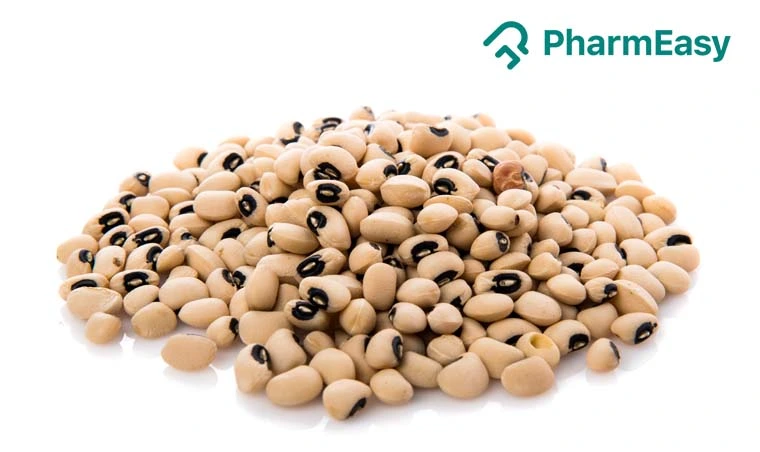
The truth is, cowpeas (Vigna unguiculata), referred to as chawli in Hindi and by various other regional names such as alasande in Kannada and lobia in Punjabi across India, are much more than a simple legume. They are a nutritional powerhouse, providing an abundance of vitamins, minerals, protein, and dietary fibre. In India, pulses are not merely food items; they are deeply interwoven into our culinary heritage and cultural identity. From the satisfying dals served with roti to the elaborate dishes prepared during Diwali, legumes like cowpeas have sustained communities for centuries. Their adaptability allows for preparation in numerous ways – from savory stews and sautéed dishes to lighter salads and appetizers, making them a flexible addition to any eating plan. This flexibility is particularly important given the diverse eating habits observed throughout India.
Nutrient Content of Cowpeas
An examination of the nutrient composition of cowpeas clarifies their considerable benefits. A typical serving (approximately 100 grams when cooked) contains:
- Calories: Roughly 130-150 kilocalories.
- Protein: About 7-8 grams, positioning them as an excellent source of plant-derived protein, essential for tissue repair and overall bodily operations.
- Dietary Fibre: Approximately 7-9 grams, making a significant contribution to gut function and feelings of fullness. This generous fibre level is especially advantageous for managing blood glucose.
- Vitamins: Abundant in Folate (Vitamin B9), critical for cellular growth and genetic material synthesis. They also contain smaller quantities of other B vitamins, Vitamin A, and Vitamin C.
- Minerals: An exceptional source of Potassium, vital for maintaining healthy blood pressure. They also supply Iron, Magnesium, Phosphorus, and Zinc.
Consider this perspective: incorporating just one portion of cowpeas into your weekly meals can substantially increase your intake of vital nutrients that might otherwise be insufficient. The International Diabetes Federation (IDF) emphasizes the importance of foods rich in dietary fibre for diabetes management, a category in which cowpeas perform exceptionally well.
Wellness Advantages of Cowpeas
Gut Function Support
The substantial dietary fibre content found in cowpeas greatly benefits intestinal well-being. Fibre adds volume to waste, promoting regular bowel movements and helping to prevent constipation – a common issue in India, often worsened by inactive lifestyles. What's more,, the soluble fibre acts as a prebiotic, nourishing beneficial gut microorganisms. A thriving gut microbiome is increasingly linked to general wellness, influencing everything from the immune system to emotional state. Research published in The Lancet has consistently highlighted the crucial role of dietary fibre in preventing gastrointestinal ailments.
Cardiovascular Support
Cowpeas are remarkably beneficial for the heart. Their ample potassium content assists in blood pressure control by counteracting the effects of sodium. The fibre also contributes to cardiovascular wellness by helping to lower LDL (unhealthy) cholesterol levels.
By reducing cholesterol and improving blood pressure, cowpeas play a considerable role in preventing heart disease, a primary cause of mortality in India. The American Heart Association (AHA) advocates for diets abundant in legumes for cardiovascular health.
Blood Sugar Balance
For individuals managing diabetes or aiming to prevent its onset, cowpeas represent an excellent choice. Their low glycemic index (GI) signifies a gradual release of glucose into the bloodstream, preventing abrupt fluctuations in blood sugar levels.
This is where most patients struggle.
The high fibre content further aids in this regulation. The Indian Council of Medical Research (ICMR) has also acknowledged the advantages of including low-GI foods in the Indian diet to address the increasing prevalence of non-communicable diseases like diabetes.
Weight Management Assistance
Experiencing prolonged feelings of fullness is a key component of weight management, and cowpeas excel in this regard. The combination of protein and fibre promotes satiety, leading to reduced overall calorie consumption by curbing unnecessary snacking.
This makes them a valuable asset for anyone aiming to maintain a healthy weight, particularly in a culture where rich, calorie-dense foods are frequently part of celebrations and daily meals.
Excellent Iron Source
Iron deficiency anemia is widespread in India, especially among women. Cowpeas provide a good supply of non-heme iron, which is essential for oxygen transport in the blood and energy generation.
To improve iron absorption, it is advisable to consume cowpeas with foods rich in Vitamin C, such as tomatoes, lemons, or amla. This straightforward dietary adjustment can significantly impact the mitigation of iron deficiency.
Bone Structure Integrity
Minerals like phosphorus and magnesium, found in abundance in cowpeas, are crucial for maintaining robust bones. Phosphorus collaborates with calcium to build bone structure, while magnesium plays a part in calcium uptake and bone mineralization.
This is where most individuals struggle.
Adequate intake of these minerals is vital throughout life, from childhood development to preventing osteoporosis in later years.
Culinary Applications of Cowpeas in India
The versatility of cowpeas in Indian cooking is remarkable. What many overlook: their adaptability extends beyond simple lentil dishes. They can be a central ingredient in a variety of meals:
- Stews and Vegetable Dishes: Prepared with onions, tomatoes, and a blend of aromatic spices, cowpeas form the foundation of many delicious and satisfying stews. A typical method involves pressure cooking the beans and then simmering them in a flavorful sauce.
- Salads: Sprouted cowpeas, mixed with chopped onions, tomatoes, cucumbers, and a zesty lemon dressing, create a refreshing and protein-rich salad, ideal for a light midday meal or snack, especially during warmer periods.
- Soups: Adding cowpeas to vegetable broths enhances their protein and fibre content, making them more filling and nourishing.
- Rice Preparations: Cowpeas can be incorporated into pilafs or mixed rice dishes, adding both texture and taste.
- Snacks: Roasted cowpeas can be seasoned and enjoyed as a crunchy, wholesome snack, offering a satisfying alternative to fried treats often consumed with tea.
Consider the rainy season, when a warm, spiced cowpea stew provides both comfort and sustenance. Or envision preparing a special dish for a major Indian celebration – cowpeas can be a nutritious addition without compromising flavor or tradition.
Possible Adverse Effects and Cautions
While cowpeas are generally safe and highly advantageous, like any food, they can elicit reactions in some individuals, particularly when consumed in large quantities or if not prepared appropriately. Have you ever pondered why certain individuals experience stomach discomfort after eating beans?
This is frequently due to their high fibre and oligosaccharide content.
Gastrointestinal Discomfort
The primary concern for many is gas and bloating. Cowpeas contain oligosaccharides, a type of carbohydrate that can be challenging for some people to digest. These pass into the large intestine, where gut bacteria ferment them, generating gas.
Soaking cowpeas overnight and discarding the soaking water before cooking can help reduce the oligosaccharide levels and minimize digestive unease. Beginning with modest portions and gradually increasing intake also allows your digestive system to adjust.
It sounds simple. It rarely is.
Antinutrients
Cowpeas, akin to other legumes, contain antinutritional compounds like phytates. Phytates can bind to minerals such as iron and zinc, potentially hindering their absorption.
However, proper preparation techniques like soaking, sprouting, and cooking significantly decrease the levels of these compounds. The World Health Organization (WHO) emphasizes that the benefits derived from consuming legumes substantially exceed the risks associated with antinutrients, especially when prepared correctly.
Allergic Reactions
Although uncommon, allergic responses to cowpeas can occur. Symptoms may encompass itching, skin rashes, or digestive upset. If you suspect an allergy, cease consumption and seek guidance from a healthcare provider.
Kidney Stones
Cowpeas contain oxalates. Individuals with a history of calcium oxalate kidney stones may need to limit their intake. Consulting a physician or a registered dietitian is advised in such circumstances.
Integrating Cowpeas into Your Eating Plan
Adding cowpeas to your diet is quite simple. Begin by incorporating them into familiar dishes. You might consider adding some cooked chawli to your vegetable stir-fry or mixing them into a lentil soup. For a lighter option, try a sprouted cowpea salad.
That alone changes everything.
Think about substituting a portion of rice or roti with a cowpea-based dish to elevate protein and fibre intake. The key is consistency and thoughtful preparation. Over 101 million individuals in India have diabetes (ICMR, 2023), and straightforward dietary adjustments like including legumes can play a vital role in prevention and management.
What steps should you actually take? Start by soaking dried cowpeas overnight. Drain and rinse them thoroughly. Cook them until tender, either in a pot or a pressure cooker.
Once cooked, they can be added to various recipes. If using canned cowpeas, ensure they are rinsed well to remove excess salt. The ease of preparation, coupled with their nutrient advantages, makes them an accessible superfood for most Indian households.
Seeking Professional Consultation
While cowpeas offer numerous benefits, it is always prudent to seek expert advice, particularly if you have existing health conditions or specific dietary considerations. A qualified physician or a registered dietitian can offer tailored recommendations for incorporating cowpeas into your meal plan safely and effectively.
They can support you understand how this legume fits into your overall nutrient requirements, taking into account factors such as kidney function, gut health, and specific vitamin and mineral needs.
Essential Takeaways
- Cowpeas (chawli) are abundant in protein, dietary fibre, vitamins (notably folate), and minerals like potassium and iron.
- They significantly support gut function, promote cardiovascular wellness, aid in blood sugar regulation, and assist with weight management.
- frequent preparations in India include stews, salads, soups, and roasted snacks.
- Potential issues like gas and bloating can often be minimized through appropriate soaking and cooking techniques.
- Approximately 10% of the Indian population experiences irritable bowel syndrome (IBS), where fibre-rich foods like cowpeas, when introduced cautiously, can be beneficial.
Always consult a qualified physician before making any health-related decisions.