Sitaphal: A Sweet Gem for Indian Wellness
Meena, 45, a homemaker from Jaipur, struggled with a persistent cough that lingered despite various home remedies. Her physician recommended increasing her intake of produce high in Vitamin C. Recalling her grandmother's preference for Sitaphal, particularly in the cooler months, she decided to try it.
Within a few weeks, her cough lessened, and she experienced a noticeable increase in her vitality. This instance highlights the often-overlooked potency of traditional Indian produce like Sitaphal, known locally as custard apple.
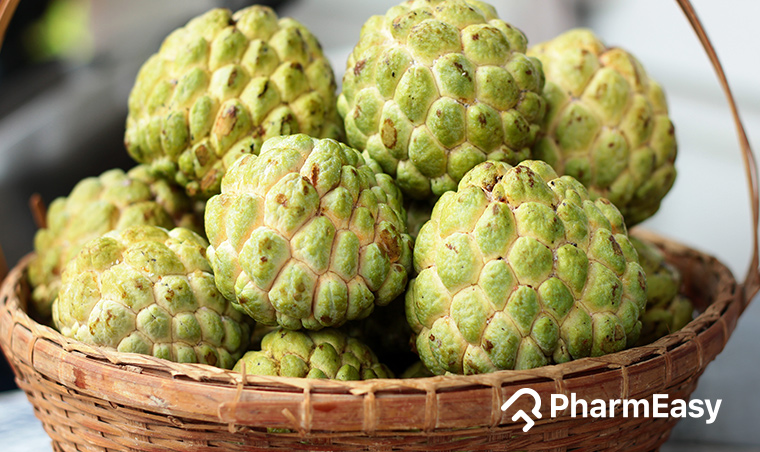
Sitaphal (Annona squamosa), a delightful produce native to tropical regions of the Americas and the West Indies, has become a beloved item in Indian homes. Its smooth texture and sweet, creamy flavour make it a seasonal favourite, especially after the monsoon and during winter. Beyond its pleasing taste, this produce is abundant in essential nutrients, offering a range of wellness advantages. Let's explore the many applications, remarkable merits, and potential cautions associated with this 'sugar-apple' produce.
Nutritional Powerhouse of Sitaphal
The nutritional makeup of Sitaphal is truly remarkable, making it a valuable addition to a balanced eating plan. A 100-gram portion of this produce provides roughly 75-80 calories, delivering a good energy lift without being excessively caloric. It is a significant source of Vitamin C; a single serving can supply a substantial part of your daily need.
This antioxidant is vital for immune function and skin condition. Additionally, Sitaphal offers a commendable amount of dietary material, which aids digestion and promotes gut well-being. Research indicates that sufficient material intake can lower the risk of chronic ailments like heart disease and type 2 diabetes.
Recovery is rarely linear.
Other essential nutrients found in Sitaphal include Vitamin A, B vitamins (such as B6), potassium, magnesium, and iron. Potassium helps manage blood pressure, while magnesium contributes to muscle and nerve activity.
The presence of iron is beneficial for preventing anaemia, a problem impacting millions in India. In fact, the National Family Health Survey (NFHS-5) reported that approximately 57% of women aged 15-49 years suffer from anaemia.
Key Nutrients Per 100g (Approximate):
- Calories: 75-80
- Carbohydrates: 15-20g
- Dietary Material: 2-3g
- Vitamin C: 15-20mg (around 20-25% of DV)
- Potassium: 250-300mg
- Magnesium: 20-25mg
- Iron: 0.6-0.8mg
Wellness Benefits of Sitaphal
The advantages of including Sitaphal in your diet are numerous, impacting various aspects of well-being. Its high Vitamin C content makes it an excellent immunity enhancer. Ever wondered why produce rich in this vitamin is advised during seasonal shifts?
It helps fortify the body's defences against infections, much like Meena's experience. The antioxidants present also combat free radical damage, potentially lowering the likelihood of ongoing conditions.
Supports Digestive Well-being
The considerable dietary material content in Sitaphal is a boon for the digestive system. Material adds bulk to stool, promoting smoother bowel movements and preventing constipation. This is particularly relevant in India, where digestive complaints are common, often worsened by eating habits or inactive lifestyles.
Here's where it gets interesting.
Regularly consuming material-rich foods can contribute to a healthier gut ecosystem. Simple advice: adequate material intake prevents many uncomfortable digestive issues.
Boosts Skin and Vision Well-being
Sitaphal's abundant Vitamin A and C content benefits your skin and eyes. Vitamin A is crucial for maintaining good vision and preventing age-related vision decline.
Its antioxidant properties also contribute to vibrant skin by fighting oxidative stress, which can lead to premature ageing. Incorporating this produce can help maintain skin suppleness and reduce the appearance of fine lines and wrinkles.
May Aid in Managing Blood Sugar Levels
Although Sitaphal is sweet and contains natural sugars, its material content can support moderate blood sugar surges. The material slows the absorption of sugar into the bloodstream.
However, individuals with diabetes should consume it sparingly and monitor their glucose levels. The International Diabetes Federation (IDF) projects that India will have over 170 million individuals living with diabetes by 2045, making mindful eating essential.
Potential Anti-cancer Properties
Some initial research indicates that certain compounds in Sitaphal, such as acetogenins, might possess anti-cancer characteristics. These compounds have shown promise in inhibiting the growth of cancer cells in laboratory settings.
While more extensive human studies are required, these findings are encouraging. It's vital to remember that Sitaphal is not a cure for cancer but can be a beneficial component of a nourishing diet.
Energy and Mood Enhancement
The natural sugars and carbohydrates in Sitaphal provide a quick energy lift. Its magnesium content also contributes to regulating mood and reducing stress. For many, savouring a bowl of fresh Sitaphal is a simple delight that can lift spirits, especially during celebratory periods when dietary choices can be indulgent.
It sounds simple. It rarely is.
Uses of Sitaphal
Beyond consuming it fresh, Sitaphal has various culinary and traditional applications. Its adaptability makes it a delightful ingredient in diverse dishes. Honestly, people often underestimate the many ways this produce can be enjoyed.
Culinary Uses
- Fresh Consumption: The most typical way to enjoy Sitaphal is by scooping out the pulp with a spoon. Ensure you discard the seeds and the outer peel.
- Smoothies and Shakes: Blend the pulp with milk or yogurt for a creamy and nourishing shake. This is an excellent method to enhance the nutritional value of your morning meal.
- Desserts: Sitaphal pulp can be used to create ice creams, kulfi, puddings, and custards, adding a distinctive flavour and consistency.
- Juices: Though less prevalent due to its texture, the pulp can be strained and mixed with water or other produce juices.
Traditional and Medicinal Uses
In traditional Indian healing practices, various parts of the Sitaphal plant—including the leaves, seeds, and bark—have been utilized for their supposed medicinal qualities. For example, Sitaphal leaves have been traditionally applied externally to aid wound mending or reduce inflammation.
The seeds, however, must be handled with extreme caution as they can be poisonous if consumed improperly. Worth noting: The wisdom of traditional methods often holds valuable insights, though modern scientific confirmation is crucial.
Potential Side Effects and Precautions
While Sitaphal is generally safe and beneficial for most individuals, certain precautions are necessary. The seeds of Sitaphal are poisonous and should never be ingested.
They contain compounds that can be harmful if consumed. In many instances, individuals might accidentally swallow small fragments of seeds, which usually pass through the system without issue, but deliberate consumption is hazardous.
The numbers don't lie.
Individuals with diabetes should exercise caution due to the produce's natural sugar content. As noted, moderation is key, and consulting with a medical provider or a registered nutritionist is recommended. Excessive intake might lead to a rapid rise in blood sugar levels for sensitive individuals.
Some individuals might experience sensitivities to Sitaphal, though this is uncommon. Symptoms could include itching, hives, or digestive discomfort. If you experience any adverse reactions after eating Sitaphal, stop consuming it immediately.
Interactions with Medications
There is limited data regarding potential interactions between Sitaphal and prescribed medicines. However, given its possible effects on blood sugar, it might interact with diabetes treatments.
If you are on medication, it is always wise to discuss dietary changes with your doctor. Consulting a healthcare professional at institutions like AIIMS (All India Institute of Medical Sciences) ensures you receive evidence-based guidance tailored to your health status.
Summary
Sitaphal, or custard apple, is more than just a tasty seasonal produce; it's a nutritional treasure offering a bounty of wellness advantages. From strengthening immunity and aiding digestion to supporting skin health and potentially offering anti-cancer benefits, its contributions to well-being are substantial.
Most people overlook this completely.
Its place in Indian culture, often enjoyed during family gatherings or as a simple, nourishing snack, underscores its value. Remember to savour this produce responsibly, avoiding the seeds and consuming it in moderation, particularly if you have pre-existing conditions like diabetes.
Key Points:
- Sitaphal is rich in Vitamin C, Vitamin A, dietary material, potassium, and magnesium.
- It supports immune function, digestive well-being, and skin and eye health.
- The produce's material content may enable moderate blood sugar levels, but individuals with diabetes should consume it cautiously.
- Sitaphal seeds are poisonous and must be avoided; only the pulp should be consumed.
- Enjoy Sitaphal fresh, in smoothies, or as part of healthy desserts for a nutritional boost.
Always seek advice from a qualified physician before making any health-related decisions.