Coriander (Dhania): A Kitchen Staple with Powerful Health Benefits
Meena, 45, a homemaker from Jaipur, experienced persistent discomfort after meals, particularly after enjoying rich festival foods. Her grandmother, a firm believer in home remedies, advised steeping a tablespoon of coriander (dhania) seeds in water overnight and drinking the infused water in the morning.
Within a week, Meena found significant relief. This is but one of countless instances illustrating the profound benefits of coriander, an herb and spice commonly found in Indian kitchens.
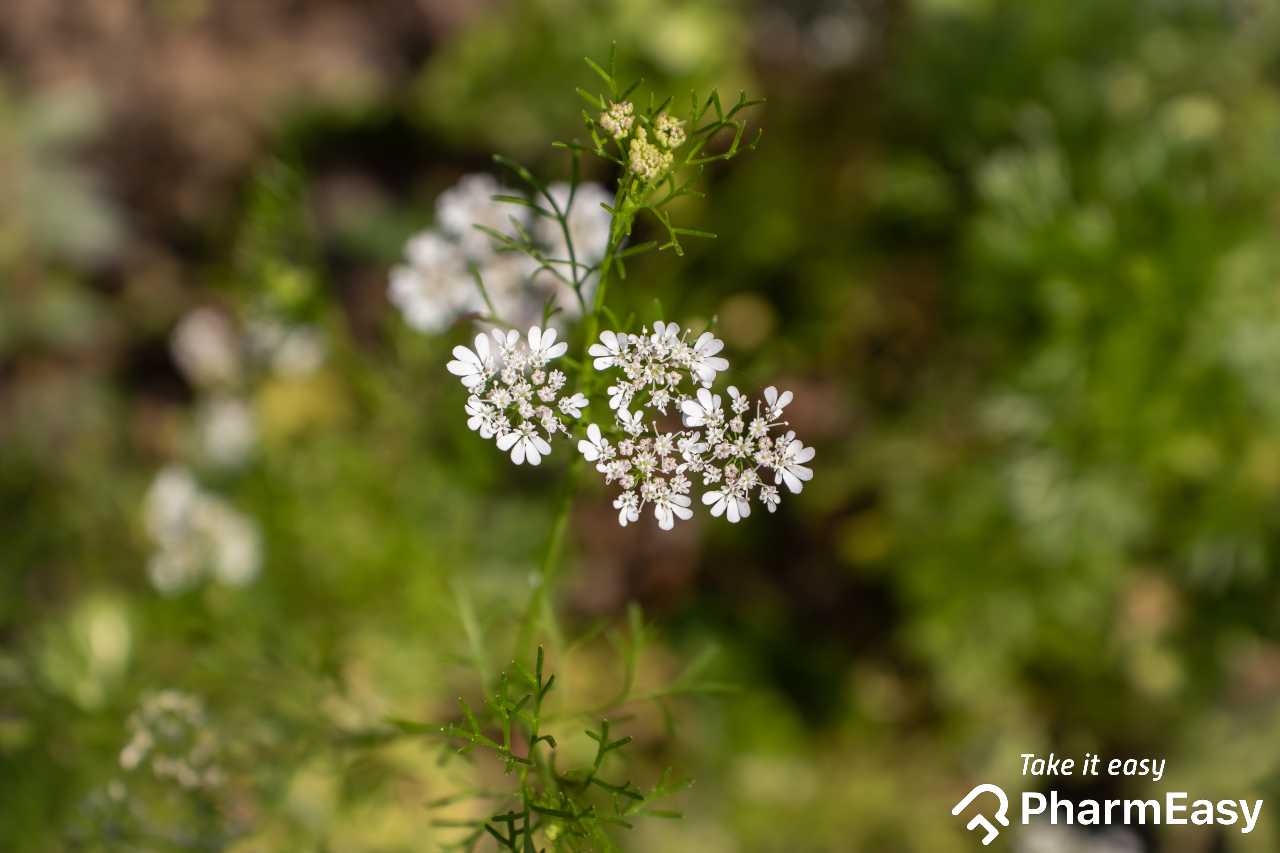
Coriander, scientifically known as Coriandrum sativum, transcends mere flavour enhancement; it's a reservoir of nutrients and beneficial compounds. Both its leaves (cilantro) and seeds are integral to Indian cooking, used from tempering dals to garnishing curries and chutneys. Its fragrant appeal is undeniable, yet its therapeutic potential is equally remarkable. In India, it's not unusual to see families cultivating fresh coriander on their balconies, ensuring a constant supply of this adaptable herb. Have you ever pondered the reverence this humble herb commands?
Nutritional Profile of Coriander
Coriander is surprisingly abundant in essential vitamins and minerals. A substantial part of its nutritional value stems from its seeds, though the leaves are also packed with goodness. It contains Vitamin K, Vitamin C, Vitamin A, and several B vitamins.
Minerals like potassium, calcium, manganese, and iron are also present in notable amounts. Consider this: integrating coriander into your diet is a simple yet effective method to increase your intake of vital micronutrients. The seeds, specifically, are a good source of dietary fibre and antioxidants.
Health Benefits of Coriander
Digestive Health Support
One of coriander's most recognized advantages is its capacity to aid digestion. It stimulates the production of digestive enzymes and bile acids, which are vital for breaking down food. This action helps alleviate common digestive complaints like indigestion, bloating, and gas.
The numbers don't lie.
Research indicates that coriander extract can enhance the activity of digestive enzymes, leading to improved nutrient absorption. For instance, a study featured in the *Indian Journal of Gastroenterology* reported that coriander significantly reduced symptoms of irritable bowel syndrome (IBS) in a majority of participants.
Good to know: This digestive-promoting quality makes it especially useful after heavy meals, frequent during Indian festivities where rich, often fried, dishes are consumed abundantly. The seeds, when chewed raw or taken as a decoction, can offer prompt relief from acidity and heartburn.
Blood Sugar Management
Coriander shows promise in assisting with the management of blood sugar levels. It is thought to stimulate insulin release and improve insulin sensitivity, thereby helping to lower blood glucose. Investigations from institutions like the National Institute of Nutrition (NIN) in Hyderabad suggest that compounds within coriander can aid in regulating blood sugar.
With over 101 million Indians estimated to have diabetes (ICMR, 2023), proven dietary strategies are crucial. Consuming coriander, particularly its seed form, may be a valuable addition to the diet for individuals aiming to control their glucose levels. A preliminary study indicated that consuming 12 grams of coriander powder daily resulted in a considerable decrease in fasting blood glucose levels among pre-diabetic individuals.
This is where most patients struggle.
Heart Health
The anti-inflammatory and antioxidant properties of coriander contribute to cardiovascular well-being. It aids in reducing LDL (bad) cholesterol and increasing HDL (good) cholesterol levels. Additionally, its diuretic effect can help lower blood pressure by decreasing fluid retention.
The presence of antioxidants helps shield blood vessels from oxidative damage. The World Health Organization (WHO) identifies cardiovascular diseases as a primary cause of mortality worldwide, highlighting the significance of dietary interventions. Honestly, incorporating herbs like coriander can play a supportive role in maintaining a healthy heart.
Antioxidant Powerhouse
Coriander is rich in antioxidants, including terpinene, quercetin, and tocopherols. These compounds assist protect your cells from damage caused by free radicals, unstable molecules that can contribute to aging and chronic illnesses such as cancer and heart disease.
The antioxidant capacity of coriander is major, bolstering the body's defence systems. Studies published in *The Lancet* have repeatedly emphasized the role of antioxidants in disease prevention.
This is where most sufferers struggle.
Skin Health
The antiseptic, antifungal, and anti-inflammatory qualities of coriander make it beneficial for skin well-being. Its leaves can be made into a paste and applied topically to address acne, eczema, and rashes.
The present antioxidants also benefit maintain youthful skin by combating oxidative stress. For minor skin irritations, a poultice made from fresh coriander leaves can offer soothing relief.
Immune System Support
Abundant in Vitamin C and other antioxidants, coriander can aid strengthen the immune system. Vitamin C is a well-known immune enhancer, supporting the function of various immune cells and improving their ability to defend against infection. Regular intake can contribute to a more robust defence against widespread colds and other ailments.
Potential Benefits for Eye Health
The Vitamin A content in coriander, particularly in its leaves, is essential for good vision. Vitamin A plays a critical role in retinal function and can benefit prevent age-related macular degeneration and night blindness. While not a cure, adequate dietary intake of Vitamin A is fundamental for maintaining healthy eyesight.
Uses of Coriander in Indian Households
Coriander's adaptability extends beyond its health advantages. In Indian cooking, both the fresh leaves and dried seeds are indispensable.
Fresh Coriander Leaves (Cilantro)
- Garnishing: Sprinkled liberally over curries, dals, sabzis, biryanis, and snacks for a burst of fresh flavour and aroma.
- Chutneys: A primary element in various green chutneys, often blended with mint, green chillies, and lemon juice.
- Salads: Adds a refreshing note to Indian salads and raitas.
- Marinades: Incorporated into pastes for marinating meats and vegetables.
Coriander Seeds (Dhania Beej)
- Whole Spices: Added to rice dishes, lentil preparations, and slow-cooked stews for a subtle, earthy taste.
- Ground Powder: A foundational component of many spice blends (masalas) and used as a thickening agent in gravies.
- Decoctions: Boiled in water to create a healthful digestive beverage, often consumed first thing in the morning.
- Tempering (Tadka/Chhonk): Frequently roasted or fried with other spices to infuse oils used for tempering.
What most people overlook: The distinct flavour profiles of fresh coriander leaves versus the warm, citrusy notes of coriander seeds are frequently missed. Both offer unique culinary and health advantages.
This is where most those affected struggle.
Potential Side Effects and Precautions
While coriander is generally safe for most individuals when consumed in culinary quantities, excessive intake might lead to certain adverse effects. Those with known allergies to plants in the Apiaceae family (such as carrots, parsley, and celery) may experience allergic reactions to coriander.
Although uncommon, these can manifest as skin rashes, itching, or breathing difficulties.
For individuals managing diabetes, it is vital to monitor blood sugar levels closely if consuming large amounts of coriander, as it can potentially lower glucose levels significantly. A study in the *Journal of Ethnopharmacology* reported that high doses of coriander extract could induce a drop in blood glucose, which might be problematic for those on medication.
Similarly, individuals taking blood-thinning medications should consult their physician, as Vitamin K, abundant in coriander, plays a role in blood clotting. Pregnant and breastfeeding women should consume coriander moderately, adhering to culinary amounts, as the effects of high medicinal doses are not well-established.
But why does this occur? The bioactive compounds responsible for the benefits can also interact with medications or bodily functions if consumed in very large quantities, particularly in concentrated forms like supplements or potent decoctions.
Here's where it gets interesting.
Coriander vs. Other Herbs
Compared to other prevalent Indian herbs like mint or curry leaves, coriander offers a unique flavour profile and a distinct set of health benefits. While mint is primarily recognized for its cooling effect and digestive aid, and curry leaves for their anti-diabetic and anti-cholesterol properties, coriander stands out for its thorough digestive support, antioxidant capacity, and potential in blood sugar regulation.
The International Diabetes Federation (IDF) notes a growing global diabetes epidemic, making ingredients like coriander increasingly relevant in dietary management strategies.
Conclusion: Embrace the Goodness of Coriander
Coriander is a true gift from nature, readily available and incredibly beneficial. Whether you favour the fresh, vibrant leaves or the warm, earthy seeds, incorporating coriander into your daily meals is a delicious way to enhance your well-being.
From aiding digestion to supporting heart health and managing blood sugar, its therapeutic properties are extensive. Remember to use it mindfully, especially if you have pre-existing health conditions or are taking medication.
Always seek advice from a qualified physician before making any medical decisions.
Key Takeaways
- Coriander (Dhania) provides meaningful digestive benefits, offering relief from acidity and bloating.
- It shows promise in blood sugar management, potentially helping to lower glucose levels, which is crucial given the high diabetes prevalence in India (over 101 million cases).
- Rich in antioxidants and Vitamin K, coriander contributes to heart health by potentially improving cholesterol levels and protecting against oxidative stress.
- Both fresh leaves and seeds are used extensively in Indian cuisine, offering distinct flavour profiles and health advantages.
- While generally safe, excessive intake may lead to adverse effects, and individuals with specific health conditions or on medication should exercise caution and consult a doctor.