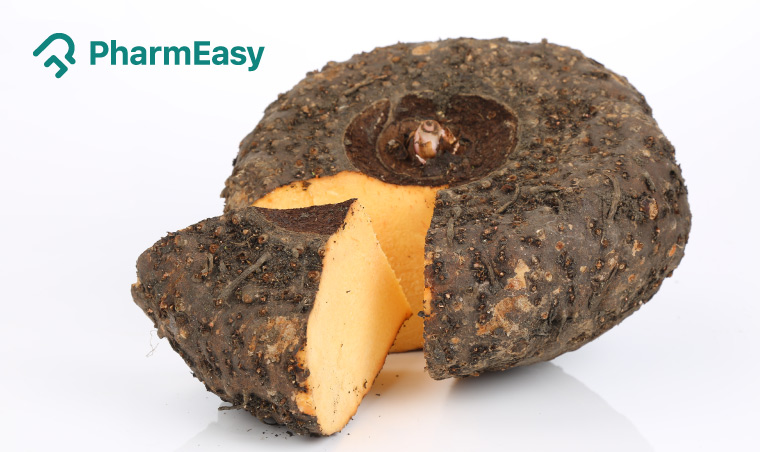
Elephant Yam (Suran): Nature's Nutritional Powerhouse
Meena, 45, a homemaker from Jaipur, struggled with persistent digestive discomfort that traditional remedies barely alleviated. Her doctor advised increasing her intake of plant-based foods rich in beneficial compounds, and Meena recalled her grandmother discussing Suran, also known as Elephant Yam, a seasonal staple. Though initially hesitant, she began adding it to her curries and stir-fries. Within weeks, she experienced a marked improvement in her gut function and even observed a positive shift in her cholesterol markers, a long-standing concern. This is the narrative of Suran, an often overlooked root vegetable brimming with wellness advantages waiting to be uncovered.
Elephant Yam, scientifically designated Amorphophallus paeoniifolius, is a multifaceted root vegetable extensively cultivated and enjoyed throughout India and other Asian regions. Frequently prepared during celebrations like Diwali and Pongal, it transcends mere culinary appeal; it is a veritable nutrient reservoir. Practically speaking, understanding its characteristics can empower us to make informed dietary choices for enhanced physical condition.
Nutritional Profile: A Closer Look at Suran's Bounty
What elevates Suran's value? Its abundant nutritional makeup is the primary reason. 5 grams of plant-based compounds.
This substantial amount of beneficial compounds is vital for gut well-being. It also furnishes essential vitamins and minerals, including Vitamin C, Vitamin B6, potassium, manganese, and copper. Consider it this way: each bite delivers a good measure of protective substances and crucial nutrients.
The yam also serves as a provider of complex carbohydrates, offering sustained energy release. While it contains some natural sugars, its overall impact on blood sugar is moderate, particularly when prepared without excessive added sweeteners.
For individuals monitoring their blood glucose, this renders it a more suitable option compared to highly processed carbohydrate sources. The presence of plant-derived compounds further amplifies its wellness-promoting attributes.
Wellness Advantages of Elephant Yam (Suran)
1. Supports Digestive Function
Suran's most recognized advantage is its contribution to a robust digestive system. Its ample supply of beneficial compounds acts as a prebiotic, nourishing beneficial gut flora. These compounds add bulk to stool, facilitating regular bowel movements and averting constipation. Have you ever pondered the importance of these dietary elements? They assist in the smooth passage of food through your digestive tract. Consistent consumption can also help mitigate symptoms associated with irritable bowel syndrome (IBS) and other gut discomforts. A study published in The Lancet Gastroenterology & Hepatology underscored the critical role of dietary components in maintaining gut microbiome diversity, which is directly linked to overall physical concern.
2. Cholesterol Level Management
Suran contains substances known as sterols, which can impede cholesterol absorption in the body. These plant-based compounds structurally resemble cholesterol and compete with it for uptake in the intestines. This competition can lead to a reduced absorption of dietary cholesterol, thereby assisting in lowering LDL (unfavorable) cholesterol levels.
Here's where it gets interesting.
Research, including findings cited by the Indian Council of Medical Research (ICMR), indicates that regular consumption of foods rich in beneficial compounds, like Suran, can foster better cardiovascular disorder. Frankly, managing cholesterol can be a lifelong pursuit, and natural dietary additions play a crucial role.
3. Blood Glucose Regulation
Although Suran contains carbohydrates, its considerable amount of beneficial compounds helps to decelerate the absorption of sugar into the bloodstream. This prevents abrupt surges and subsequent drops in blood glucose levels, making it a beneficial food for individuals with or at risk of type 2 diabetes. Investigations supported by the International Diabetes Federation (IDF) consistently highlight the advantages of diets high in beneficial compounds for diabetes management.
The resistant starch present in yams also functions similarly to these compounds, enhancing insulin responsiveness. Does this sound familiar if you are mindful of your sugar intake?
4. Weight Management Assistance
The high concentration of beneficial compounds and water in Elephant Yam can promote feelings of fullness and satisfaction, helping to curb excessive eating. By keeping you feeling satiated for longer periods, it can naturally reduce overall calorie consumption, making it a valuable inclusion in a weight management strategy. Its relatively low fat content further supports this objective.
Remember Meena's experience? A healthier gut and improved satiety contributed to her overall well-being.
5. Antioxidant Qualities
Suran is a good source of protective compounds, such as Vitamin C and various phenolic substances. These protective agents benefit combat oxidative stress in the body by neutralizing harmful free radicals.
Most people overlook this completely.
Oxidative stress is implicated in the development of chronic ailments, including heart disease, cancer, and neurodegenerative conditions. Shielding your cells from damage is fundamental to enduring physical concern.
6. Potential Anti-inflammatory Actions
Some initial investigations suggest that compounds found in Elephant Yam might exhibit anti-inflammatory properties. Chronic inflammation is a root cause of numerous diseases, and incorporating anti-inflammatory foods into your diet can be advantageous. While further human studies are warranted, the existing evidence is encouraging.
7. Bone Wellness
The presence of minerals like manganese and potassium in Suran contributes to skeletal wellness. Manganese plays a part in bone formation, while potassium helps maintain bone mineral density by counteracting the effects of acid-producing foods.
A diet abundant in these minerals, alongside calcium and Vitamin D, is essential for strong bones throughout one's lifespan.
Culinary Applications of Suran
The adaptability of Suran in Indian cuisine is truly remarkable. Its firm, starchy consistency makes it suitable for a variety of preparations. From zesty curries and sabzis to crisp fried chips and even as a stuffing for parathas, Suran can be savored in countless ways.
Here's where it gets interesting.
Many traditional recipes involve initially boiling or steaming the yam, then incorporating it into gravies or frying it. The monsoon season, in particular, witnesses a rise in Suran consumption in numerous Indian households, believed to be a 'warming' food beneficial during the damp weather.
Here's the crucial point: preparing Suran demands a degree of caution. Raw Suran can induce irritation in the mouth and throat due to the presence of calcium oxalate crystals. To circumvent this, thorough peeling and complete cooking are imperative.
Incorporating tamarind or lemon juice during the cooking process can also assist in neutralizing these compounds. Some individuals opt to wear gloves when handling raw Suran. When prepared correctly, however, it is entirely safe and delicious.
Possible Adverse Effects and Cautions
As noted, the primary concern with consuming raw or inadequately cooked Elephant Yam is the potential for oral irritation and itching. This stems from the presence of needle-like calcium oxalate crystals.
Most people overlook this completely.
Cooking denatures these crystals, rendering the yam safe for consumption. Excessive intake, particularly in individuals with sensitive digestive systems, might lead to gas or bloating owing to its substantial fibre content.
Individuals with specific medical conditions, such as kidney disease (due to potassium levels) or those on certain medications, should seek advice from their physician before significantly increasing their Suran intake. While generally safe, moderation is paramount.
Have you ever experienced digestive discomfort after sampling a new food? It often serves as an indication to adjust your portion size.
Suran Contrasted with Other Yams
Elephant Yam (Suran) is distinct from sweet potatoes and other yam varieties commonly found in global markets. While all are root vegetables and offer nutritional advantages, Suran is recognized for its firmer texture and less sweet flavour profile, making it ideal for savoury Indian dishes. Its unique plant compound composition also sets it apart.
For instance, the fibre content in Suran is notably higher than in many other common root vegetables. The World Health Organization (WHO) recommends a daily fibre intake of at least 25 grams for adults; Suran can substantially contribute to meeting this objective.
The numbers don't lie.
Integrating Suran into Your Diet
Making Suran a regular element of your diet is simpler than you might imagine. Begin with modest portions to allow your digestive system to adapt. Consider trying traditional Indian preparations like Suran ki Sabzi (a dry or gravy-based dish), Suran Pakora (fried fritters), or even grated Suran incorporated into vegetable patties.
For a healthier approach, try baking or air-frying Suran slices instead of deep-frying. If you feel adventurous, experiment with adding it to soups or stews for added thickness and beneficial compounds. Remember, consistent, moderate consumption yields the most favorable outcomes.
Key Takeaways
- Elephant Yam (Suran) is abundant in dietary fibre, promoting gut well-being and preventing constipation.
- It contains sterols that may assist in managing cholesterol levels, contributing to cardiovascular wellness.
- The high fibre content aids in regulating blood sugar levels, making it advantageous for individuals with diabetes.
- Suran's fibre and water content support weight management by fostering satiety.
- Proper cooking is crucial to neutralize oxalates and prevent oral irritation.
Always consult a qualified medical professional before making any health-related decisions.