Navigating Gallbladder Stones: A Dietary Guide for Indian Patients
Meena, 45, a homemaker from Jaipur, noticed a sharp, sudden pain in her upper right abdomen after a particularly rich Diwali feast. This wasn't the first time. For months, intermittent discomfort had plagued her, frequently dismissed as indigestion.
However, the intensity of this latest episode sent her to the doctor, where an ultrasound confirmed what she feared: gallstones. Like millions of Indians, Meena's lifestyle—perhaps involving frequent consumption of fried snacks and rich gravies—had contributed to this common ailment.
Solid deposits that form in the gallbladder, gallstones can range in size from a grain of sand to a golf ball. Their formation is typically linked to an imbalance in the substances that make up bile, primarily cholesterol and bilirubin. The reality is, India sees a significant burden of gallstone disease, with estimates suggesting that up to 10% of the adult population may have gallstones, though many remain asymptomatic.
Certain regions, particularly Northern India, show a higher prevalence, possibly due to genetic factors and eating habits. Have you ever wondered why?
Understanding Gallstones: The Basics
Your gallbladder is a small, pear-shaped organ situated beneath your liver. Its primary role is to store and concentrate bile, a digestive fluid produced by the liver that helps break down fats. When bile contains too much cholesterol or bilirubin, or when the gallbladder doesn't empty properly, these substances can crystallize and form stones.
Here's where it gets interesting.
The most prevalent type, cholesterol gallstones, accounts for over 80% of cases. Pigmented gallstones, formed from bilirubin, are less frequent but can occur in individuals with certain liver conditions or blood disorders.
Practically speaking, the symptoms of gallstones can vary widely. Some individuals experience no discomfort at all, with stones discovered incidentally during medical imaging for other conditions. Others, however, suffer from excruciating pain, often referred to as a gallstone attack or biliary colic.
This pain typically occurs in the upper right abdomen, may radiate to the shoulder or back, and can be accompanied by nausea, vomiting, and fever. If a gallstone blocks a bile duct, it can lead to more serious complications like cholecystitis (gallbladder inflammation) or pancreatitis (inflammation of the pancreas).
Dietary Management: The Cornerstone of Gallstone Health
For individuals diagnosed with gallstones, especially those experiencing warning signs, eating modifications are crucial. While diet alone cannot dissolve existing stones, it can help prevent their formation, reduce the frequency and severity of attacks, and support overall digestive health.
Here's where it gets interesting.
The goal is to reduce the cholesterol content in bile and promote regular gallbladder emptying. So what does that mean for you?
The Indian Council of Medical Research (ICMR) highlights the increasing prevalence of non-communicable diseases, including those related to diet. A diet high in saturated and trans fats, refined carbohydrates, and low in fiber is frequently implicated in gallstone formation.
Conversely, a balanced diet rich in fruits, vegetables, whole grains, and lean proteins can be beneficial. Worth knowing: the IDF Diabetes Atlas 2021 reported that India has the second-highest number of people with diabetes globally, a condition frequently linked with higher risks of gallstone disease.
Foods to Embrace for Gallbladder Health
Focusing on a diet that is gentle on your digestive system and helps manage cholesterol levels is key. Incorporating these foods can make a marked difference:
1. High-Fiber Foods
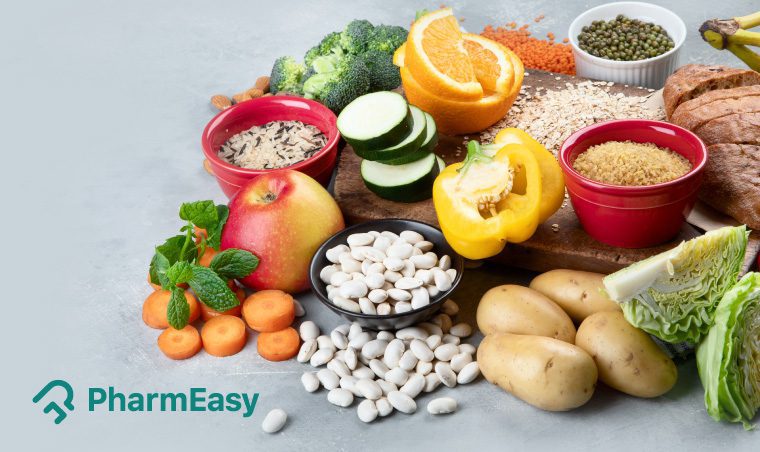
Fiber aids in digestion and can enable reduce cholesterol absorption. Aim to include plenty of fruits, vegetables, and whole grains in your meals. Think of oats for breakfast, whole wheat roti for lunch, and a generous serving of sabzi (vegetable curry) with your meals.
Including legumes like moong dal or chana is also excellent. The National Institute of Nutrition (NIN) in India recommends a daily fiber intake of around 25-30 grams.
2. Healthy Fats
While it might seem counterintuitive, healthy unsaturated fats are essential. These can support stimulate bile flow and are less likely to contribute to gallstone formation than saturated fats.
Good sources include avocados, nuts (in moderation), seeds (like flax and chia), and olive oil. When cooking Indian dishes, opt for moderate amounts of these healthier oils instead of excessive ghee or butter.
The numbers don't lie.
3. Lean Proteins
Choose lean sources of protein over fatty meats. Options like fish (especially fatty fish rich in omega-3s, consumed in moderation), chicken breast (skinless), tofu, and legumes provide essential nutrients without overloading your system with saturated fat. Lentils and beans, staples in Indian cuisine, are excellent choices.
4. Fruits and Vegetables
These are packed with vitamins, minerals, antioxidants, and fiber. Aim for a variety of colours to ensure a broad spectrum of nutrients.
Include leafy greens like spinach and fenugreek (methi), gourds like lauki and tori, and fruits like apples, pears, and berries. The WHO recommends consuming at least 400 grams (or five portions) of fruits and vegetables per day.
5. Hydration
Drinking plenty of water is vital for overall health and aids in digestion. Aim for at least 8-10 glasses of water throughout the day. Herbal teas can also contribute to your fluid intake.
Foods to Limit or Avoid with Gallstones
Certain foods can trigger gallbladder attacks or contribute to the formation of gallstones. It's advisable to reduce or eliminate these from your diet:
1. High-Fat Foods
This is the most critical category to watch. Fried items (samosas, pakoras, puris), fatty cuts of meat (mutton, pork), full-fat dairy products (paneer made from full-fat milk, cream, butter, ghee in large quantities), and processed snacks are major culprits.
These items can stimulate the gallbladder to contract forcefully, potentially leading to a painful attack if stones are present.
2. Refined Carbohydrates and Sugars
White bread, white rice, sugary cereals, pastries, and sweets can contribute to higher cholesterol levels. Reducing intake of these processed carbohydrates is beneficial. Opt for whole grains instead.
The numbers don't lie.
3. Spicy and Heavy Foods
While not directly linked to gallstone formation, very spicy or heavy meals can sometimes aggravate signs in individuals with sensitive digestive systems or existing gallstones. Moderation is key, especially with rich gravies and heavy curries usual in Indian cuisine.
4. Red Meat and Processed Meats
These are often high in saturated fat and can be harder to digest. Limiting consumption of red meat like lamb and beef, as well as processed meats like sausages and bacon, is recommended.
5. Alcohol
Excessive alcohol consumption can negatively impact liver function and potentially increase the risk of gallstones. It's best to consume alcohol in moderation, if at all.
Lifestyle Adjustments and When to Seek assist
Eating changes are most effective when combined with other healthy lifestyle practices. Maintaining a healthy weight is crucial, as obesity is a considerable likelihood factor for gallstones. Rapid weight loss diets should be avoided, as they can sometimes trigger gallstone formation.
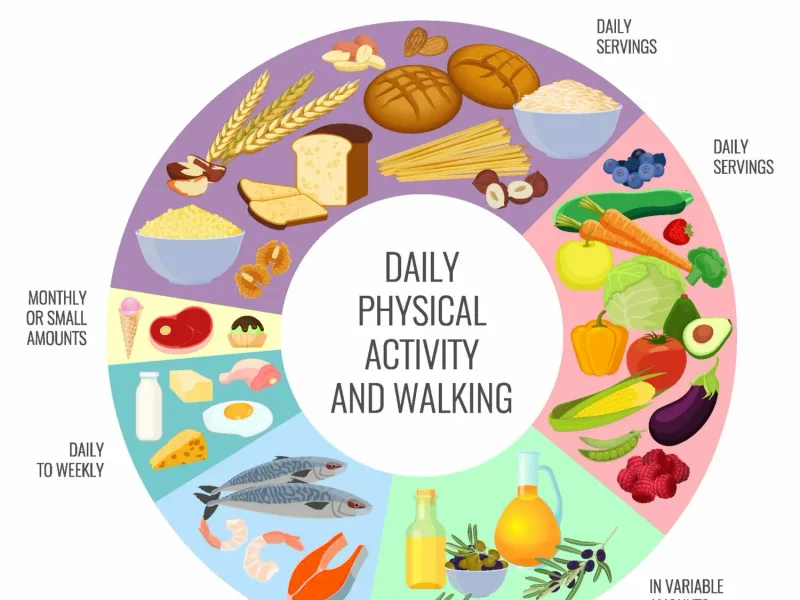
Regular physical activity, like walking or yoga, can also aid in weight management and improve overall digestive health. In many cases, incorporating these habits can significantly reduce the burden of gallstone disease.
The reality is, managing gallstones often requires a personalized approach. What works for one person might not be ideal for another.
Factors like the size and number of stones, your overall health, and the presence of other medical conditions (such as diabetes or liver disease) play a role in determining the best course of action. Have you ever wondered why different people react differently to the same foods?
The numbers don't lie.
If you experience persistent or severe abdominal pain, jaundice (yellowing of the skin and eyes), high fever, or chills, seek immediate medical attention. These could be signs of a serious complication. For Meena, after a few weeks of eating modifications and following her doctor’s advice, her indicators significantly improved.
She learned to enjoy her favourite Indian dishes in healthier, smaller portions, incorporating more vegetables and whole grains. She found that simple changes, like opting for steamed idlis over fried puris and enjoying a bowl of dal and sabzi, made a world of difference. She even started sitting on the floor for her meals, a traditional Indian practice that aids digestion for some.
While eating changes are paramount, medical interventions are sometimes necessary. In cases of symptomatic gallstones, surgical removal of the gallbladder (cholecystectomy) is the most usual and proven treatment.
This procedure is often performed laparoscopically and has a high success rate. The World Health Organization (WHO) emphasizes the importance of evidence-based medical care for conditions like gallstone disease.
The numbers don't lie.
Key Takeaways
- Gallstones affect a considerable portion of the Indian population, often linked to eating habits.
- A diet rich in fiber from fruits, vegetables, and whole grains is beneficial for gallbladder health.
- Limiting intake of high-fat foods, fried items, and refined carbohydrates is crucial for preventing gallstone attacks.
- Healthy fats from sources like avocados and nuts, in moderation, can support bile flow.
- Maintaining a healthy weight and staying hydrated are essential lifestyle adjustments.
Always consult a qualified physician before making any medical decisions.