The Golden Elixir: Unveiling 15 Amazing Nutritional and Wellness Advantages of Ghee
Meena, 45, a homemaker from Jaipur, noticed a persistent dullness in her skin and occasional digestive unease. Her grandmother, a staunch believer in traditional remedies, suggested incorporating pure desi ghee into her daily diet. Skeptical yet hopeful, Meena started with a teaspoon of ghee stirred into her warm milk before bed and drizzled over her roti.
Within weeks, she observed a remarkable improvement in her skin's natural glow and a significant reduction in her digestive discomfort. This is just one story echoing the profound impact of ghee, a staple in Indian kitchens for millennia.
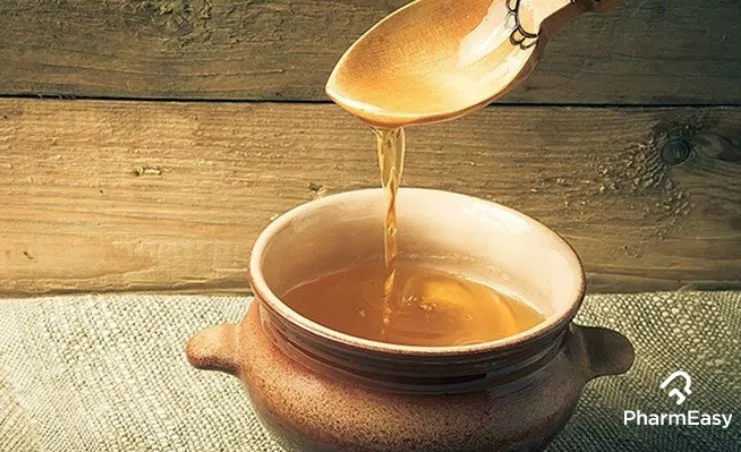
Ghee, or clarified butter, is more than just a culinary medium; it’s a powerhouse of nutrients deeply rooted in Indian culture and Ayurveda. The process of preparing ghee involves simmering butter until the water evaporates and the milk solids separate, leaving behind a pure, golden fat.
This transformation not only extends its shelf life but also removes lactose and casein, making it suitable for many individuals with dairy sensitivities. Truly, its versatility in the kitchen is matched only by its therapeutic properties.
Recovery is rarely linear.
1. Rich Reservoir of Fat-Soluble Nutrients
Ghee is an excellent reservoir of nutrients A, D, E, and K. These are crucial for various bodily functions. Nutrient A supports vision and immune function, while nutrient D is essential for skeletal strength and calcium absorption.
Nutrient E acts as a potent antioxidant, protecting cells from damage. The presence of these fat-soluble nutrients means they are best absorbed when consumed with a carrier of fat, making ghee an ideal vehicle.
2. Supports Digestive Wellness
Ayurveda often refers to ghee as a 'yogavahi' – a substance that enhances the absorption and efficacy of other nutrients and herbs. Ghee stimulates the secretion of stomach acid, which aids in the digestion of food. Its butyric acid content, a short-chain fatty acid (SCFA), is particularly beneficial.
Butyrate serves as a primary energy supply for the cells lining the colon, promoting gut wellness and potentially alleviating issues like constipation and bloating. In many cases, incorporating ghee can lead to a more comfortable digestive experience.
Recovery is rarely linear.
3. Boosts Immunity
The butyric acid found in ghee plays a meaningful role in strengthening the immune system. It helps in the production of immune cells and supports the integrity of the gut lining, which is a critical barrier against pathogens.
What's more,, the antioxidants present in ghee, like nutrients E and A, combat oxidative stress, thereby supporting overall immune function. A robust immune system is our first line of defense against infections.
4. Promotes Healthy Skin and Hair
The nourishing fats and nutrients in ghee contribute to healthy skin and lustrous hair. Applied topically, ghee can act as a natural moisturizer, hydrating dry skin and improving its elasticity. Its anti-inflammatory properties can soothe irritated skin.
For hair, ghee can be used as a deep conditioning treatment, adding shine, reducing frizz, and strengthening the hair shaft. Many Indian beauty rituals have long incorporated ghee for its beautifying effects, especially during festivals where looking one's best is paramount.
Most people overlook this completely.
5. May Aid in Weight Management
While it might seem counterintuitive, pure ghee can support weight management. The medium-chain triglycerides (MCTs) in ghee are readily used by the body for energy rather than being stored as fat. Butyric acid also plays a role.
The reality is, when consumed in moderation as part of a balanced diet, ghee can increase satiety, helping to reduce overall calorie intake. It's not about avoiding fats, but choosing the right ones.
6. Excellent Reservoir of Energy
Ghee is a concentrated reservoir of calories and beneficial fats, providing a quick and sustained energy boost. This makes it an ideal food for athletes, active individuals, or anyone needing an energy lift.
The MCTs are metabolized differently than long-chain fatty acids, offering a readily available fuel supply for the body and brain. This rapid energy availability can be particularly useful during periods of exertion.
7. Supports Bone Health
The presence of nutrient D in ghee is crucial for calcium absorption, which is vital for maintaining strong and healthy bones. Adequate nutrient D levels help prevent conditions like osteoporosis.
Consuming ghee regularly, alongside other nutrient D-rich foods and sufficient calcium intake, can contribute positively to skeletal strength throughout life. Proper bone density is essential for mobility and preventing fractures.
This is where most patients struggle.
8. Anti-inflammatory Properties
Butyric acid, the primary SCFA in ghee, possesses marked anti-inflammatory properties. It helps reduce inflammation throughout the body by modulating immune responses. Chronic inflammation is linked to numerous diseases, including heart disease, arthritis, and certain cancers.
The anti-inflammatory effects of ghee can contribute to overall well-being and disease prevention. Does this sound familiar? Many traditional diets rich in beneficial fats often exhibit lower rates of inflammatory diseases.
9. May Improve Cholesterol Levels
Contrary to some older beliefs, pure ghee, when consumed in moderation, can have a neutral or even positive effect on cholesterol levels. Studies have shown that ghee may increase the levels of HDL (good cholesterol) while having a less marked impact on LDL (bad cholesterol) compared to other saturated fats. However, individual responses can vary.
The specific fatty acid profile of ghee, including conjugated linoleic acid (CLA), is thought to play a beneficial role. For instance, research published in journals like The Lancet has explored these effects.
It sounds simple. It rarely is.
10. Enhances Nutrient Absorption
Going back to what we discussed, ghee acts as a 'yogavahi'. This means it helps in the absorption of fat-soluble nutrients (A, D, E, K) from other foods consumed alongside it. It also aids in the absorption of fat-soluble phytonutrients, such as carotenoids found in colourful vegetables.
This makes meals incorporating ghee more nutritionally potent. So what does that mean for you? It means your vegetable curry might be even more beneficial when prepared with ghee.
11. High Smoke Point for Safer Preparation
Ghee has a very high smoke point (around 250°C or 482°F), significantly higher than butter or many vegetable oils. This makes it an excellent choice for high-heat preparation methods like sautéing, roasting, and frying.
Preparing food at high temperatures with oils that have lower smoke points can lead to the formation of harmful free radicals. Ghee's stability ensures that it doesn't easily break down and become detrimental to wellness during preparation.
12. Lactose and Casein-Free
The clarification process effectively removes almost all lactose and casein from butter, resulting in ghee. This makes it a safe and beneficial option for individuals who are lactose intolerant or have a sensitivity to dairy proteins.
Recovery is rarely linear.
This is a crucial distinction for many people seeking dairy alternatives without compromising on flavour or nutritional benefits. The International Dairy Federation (IDF) acknowledges the challenges faced by those with lactose intolerance.
13. Rich in Antioxidants
Ghee contains antioxidants like nutrient E and selenium. These compounds enable protect the body from damage caused by free radicals. Free radicals are unstable molecules that can contribute to aging and various chronic diseases.
By neutralizing these harmful molecules, the antioxidants in ghee support cellular wellness and overall longevity. This protective action is a key reason for its long-standing use in traditional medicine.
14. Supports Hormonal Balance
Dietary fats are essential for hormone production. Ghee, being a rich reservoir of beneficial fats, particularly cholesterol (which is a precursor to steroid hormones), can play a role in supporting balanced hormone production.
The numbers don't lie.
Nutrients A and E also contribute to hormonal wellness. This hormonal support is vital for various bodily functions, including metabolism, reproduction, and mood regulation.
15. Versatile Culinary Ingredient
Beyond its wellness advantages, ghee is cherished for its rich, nutty flavour and aroma, which can elevate the taste of any dish. From flavouring dal and vegetables to preparing delectable sweets like ladoos and barfis, ghee is indispensable in Indian cuisine.
It's perfect for drizzling over rice, roti, or even popcorn for an added touch of richness. Its adaptability means it can be used in both sweet and savoury preparations, making it a truly versatile kitchen essential.
The cultural significance of ghee in India cannot be overstated. It's used in religious ceremonies, Ayurvedic treatments, and everyday culinary practices. The practice of offering ghee in lamps during prayers signifies purity and auspiciousness.
Its presence is woven into the fabric of Indian life, symbolizing prosperity and well-being. Truly, understanding its role goes beyond mere nutrition.
While ghee offers numerous advantages, moderation is key. Overconsumption of any fat, even beneficial ones, can lead to weight gain. A general recommendation is to limit intake to 1-2 teaspoons per day, depending on individual dietary needs and activity levels. Listening to your body is paramount.
Recovery is rarely linear.
Key Takeaways:
- Ghee is rich in fat-soluble nutrients A, D, E, and K, crucial for vision, bone strength, and immunity.
- It contains butyric acid, which supports digestive wellness and possesses anti-inflammatory properties.
- Ghee's high smoke point makes it a safer choice for culinary tasks compared to oils that degrade easily.
- It is virtually lactose and casein-free, making it suitable for many individuals with dairy sensitivities.
- When consumed in moderation, ghee can aid in nutrient absorption and potentially support weight management due to its MCT content.
Always consult a qualified physician before making any medical decisions.