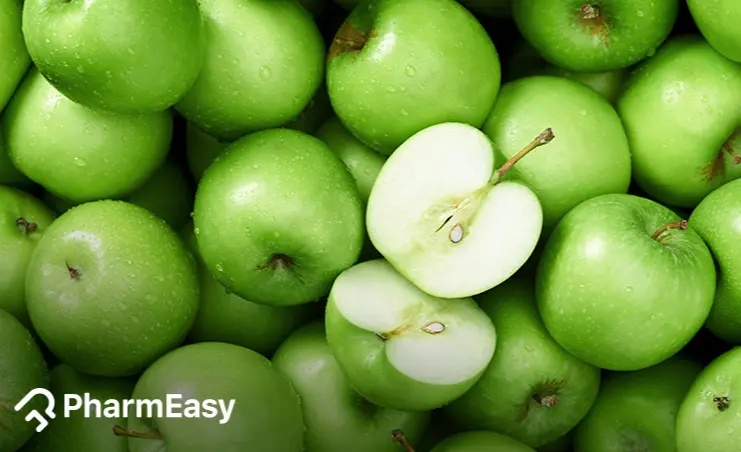
The Tangy Powerhouse: Unpacking the Wonders of Green Apples
Meena, 45, a homemaker from Jaipur, noticed her energy levels dipping significantly after lunch. She often felt sluggish and found it difficult to keep up with her household chores. Her neighbour, a fitness enthusiast, suggested incorporating a crisp green fruit into her mid-day snack routine.
Initially sceptical, Meena decided to try it, and within a week, she felt a noticeable difference. Her digestion improved, and that post-lunch slump began to fade.
Green fruits, with their vibrant hue and tart flavour, are more than just a refreshing snack. They are nutritional powerhouses packed with vitamins, minerals, and antioxidants that contribute to overall well-being.
In India, where traditional diets often lean towards cooked foods, incorporating fresh produce like green fruits can offer a unique set of advantages. Think about it this way: these fruits provide a convenient and delicious way to boost your daily nutrient consumption.
Nutritional Profile of Green Apples
A medium-sized green fruit (approximately 182 grams) is a low-calorie, nutrient-dense food. It provides around 95 calories, with negligible fat and sodium content. The primary carbohydrate source comes from natural sugars and dietary content. Honestly, the content is where green fruits truly shine.
Most people overlook this completely.
Key Nutrients in Green Apples:
- Dietary Fibre: A single green fruit can offer about 4 grams of fibre, which is roughly 15% of the recommended daily allowance. This includes both soluble and insoluble fibre, crucial for digestive wellness.
- Vitamins: They are a good source of Vitamin C, an essential antioxidant that supports immune function. A medium fruit provides about 8.4 mg of Vitamin C, around 9% of the daily value. Additionally, they contain smaller amounts of Vitamin A, Vitamin E, Vitamin K, and several B vitamins.
- Minerals: Green fruits contain essential minerals such as potassium (around 195 mg), which helps regulate blood pressure, and trace amounts of iron, calcium, and magnesium.
- Antioxidants: Rich in polyphenols, particularly flavonoids like quercetin, green fruits combat oxidative stress in the body. These compounds are found in higher concentrations in the skin, so eating the fruit unpeeled is beneficial.
The presence of malic acid, a natural organic acid, contributes to their tartness and also plays a role in digestion and detoxification. This organic acid is a key component that distinguishes the sharp taste of green fruits from their sweeter red counterparts.
Health Benefits of Green Apples
The benefits of regularly consuming green fruits are extensive, touching upon various aspects of wellness. From aiding weight management to potentially reducing the risk of chronic diseases, their impact is significant. In many cases, simple dietary changes can yield profound results.
Digestive Health and Fibre Power
The high fibre content in green fruits is a boon for the digestive system. Soluble fibre forms a gel-like substance in the gut, which can help regulate blood sugar levels and lower cholesterol. Insoluble fibre adds bulk to the stool, promoting regular bowel movements and preventing constipation.
This is particularly relevant in India, where dietary fibre consumption can sometimes be insufficient due to traditional cooking methods that may reduce its content. Think about it this way: a daily green fruit can act as a gentle, natural laxative.
Recovery is rarely linear.
But why does this happen? The pectin in fruits, a type of soluble fibre, acts as a prebiotic, feeding beneficial gut bacteria.
A healthy gut microbiome is linked to improved digestion, better nutrient absorption, and even enhanced mood. Over 101 million Indians have diabetes (ICMR, 2023), and managing blood sugar is paramount; the fibre in fruits helps in this regard.
Weight Management Support
For those aiming to manage their weight, green fruits can be an excellent addition to the diet. Their high fibre and water content promote a feeling of fullness, reducing overall calorie consumption.
The natural sugars provide energy without the crash associated with processed snacks. This makes them an ideal mid-meal snack, helping to curb cravings and prevent overeating during main meals.
The low-calorie nature of green fruits is a notable advantage. A single fruit provides satiety for a relatively small number of calories, making it a smart choice for weight-conscious individuals. Studies have indicated that increasing fruit consumption, particularly this type, is associated with lower body mass index (BMI).
Antioxidant Protection and Disease Prevention
The rich antioxidant profile of green fruits helps protect the body's cells from damage caused by free radicals. This oxidative stress is a contributing factor to aging and various chronic diseases, including heart disease and certain cancers.
The polyphenols in green fruits, especially quercetin, have demonstrated anti-inflammatory and antioxidant properties in numerous studies. The World Health Organization (WHO) highlights the importance of antioxidant-rich foods in preventing non-communicable diseases.
The numbers don't lie.
Research published in journals like The Lancet has explored the link between fruit consumption and reduced likelihood of cardiovascular diseases. While no single food can prevent disease, incorporating antioxidant-rich fruits like green ones into a balanced diet is a proactive step towards better wellness.
So what does that mean for you? It means making smart, simple choices can have a long-term impact on your health trajectory.
Potential Benefits for Bone Health
While research is ongoing, some studies suggest that the antioxidants and compounds found in fruits, including green ones, may play a role in bone health. The flavonoids and phloridzin present in fruits have been investigated for their potential to increase bone density.
Though not a primary source of calcium, their contribution to overall wellness indirectly supports bone strength.
Oral Health
Chewing on a crisp green fruit stimulates saliva production, which helps reduce tooth decay by washing away food particles and neutralizing acids produced by bacteria in the mouth. The fibrous texture also acts as a natural toothbrush, gently cleaning teeth.
While it doesn't replace brushing, it can be a helpful addition after meals, especially if you're unable to brush immediately.
Blood Sugar Regulation
Despite containing natural sugars, the fibre and polyphenols in green fruits can support moderate the impact on blood sugar levels. The fibre slows down the absorption of sugar into the bloodstream, preventing sharp spikes and subsequent crashes.
Here's where it gets interesting.
This makes them a relatively safe fruit choice for individuals managing diabetes, though portion control is still important. The International Diabetes Federation (IDF) encourages the consumption of whole fruits as part of a diabetic diet plan.
How to Incorporate Green Apples into Your Diet
Adding green fruits to your daily meals is remarkably simple and versatile. Whether you enjoy them raw or incorporate them into recipes, their tangy flavour can enhance various dishes. Many Indian households traditionally use fruits in desserts, and green fruits can be a healthier, more flavourful alternative.
Snacking
The most straightforward way to enjoy a green fruit is by eating it whole, perhaps with a sprinkle of chaat masala for a local twist, especially during the monsoon when a tangy snack is appealing. Slicing it and pairing it with a small handful of almonds or walnuts makes for a balanced and satisfying snack.
Salads
Thinly sliced green fruits add a refreshing crunch and tartness to salads. They pair wonderfully with leafy greens, nuts, cheese, and even grilled chicken or paneer. A light vinaigrette complements their flavour beautifully.
The numbers don't lie.
Smoothies and Juices
Blend green fruits into your morning smoothie for a vitamin C boost and a delightful tang. Combine them with spinach, banana, and a liquid base like almond milk or yogurt. While juicing retains some nutrients, eating the whole fruit is preferable for maximum fibre consumption.
Baking and Cooking
Green fruits hold their shape well when cooked, making them ideal for pies, crumbles, and baked desserts. Their tartness balances the sweetness of sugar, creating a more complex flavour profile. You can also add them to savoury dishes, like pork or chicken preparations, for a touch of acidity.
Potential Side Effects and Considerations
While green fruits are generally safe and beneficial for most people, there are a few considerations. Honestly, the benefits far outweigh the risks for the vast majority.
Digestive Upset
For individuals sensitive to fibre or those not accustomed to eating fruits with skin, consuming too many green fruits too quickly might lead to bloating, gas, or diarrhoea. It’s advisable to start with smaller portions and gradually increase consumption, especially if you typically eat a low-fibre diet.
Think about it this way: your digestive system needs time to adapt.
Dental Enamel
The acidity of green fruits can potentially erode tooth enamel over time if consumed in excessive quantities or if dental hygiene is neglected. It's recommended to rinse your mouth with water after eating a fruit or wait at least 30 minutes before brushing your teeth to allow saliva to neutralize the acids.
Most people overlook this completely.
Pesticide Residues
As with many fruits and vegetables, fruits can have pesticide residues on their skin. Washing the fruits thoroughly under running water before consumption is crucial. Opting for organic fruits, if available and affordable, can further reduce exposure. This is a concern for many consumers across India.
Interactions with Medications
While rare, the high fibre content could potentially affect the absorption of certain medications. If you are on medication, particularly for chronic conditions, it's wise to discuss your dietary choices with your doctor. This is a standard precaution, like when considering any meaningful dietary change.
Key Takeaways
- Green fruits are rich in dietary fibre, Vitamin C, and antioxidants, contributing to digestive wellness and immune support.
- Their fibre and water content aid in weight management by promoting satiety.
- Antioxidants like quercetin combat oxidative stress and may reduce the chance of chronic diseases.
- Incorporating green fruits into salads, smoothies, or as snacks is a simple way to boost nutrient consumption.
- Moderation is key to avoid potential digestive upset and protect dental enamel.
Always consult a qualified physician before making any medical decisions.