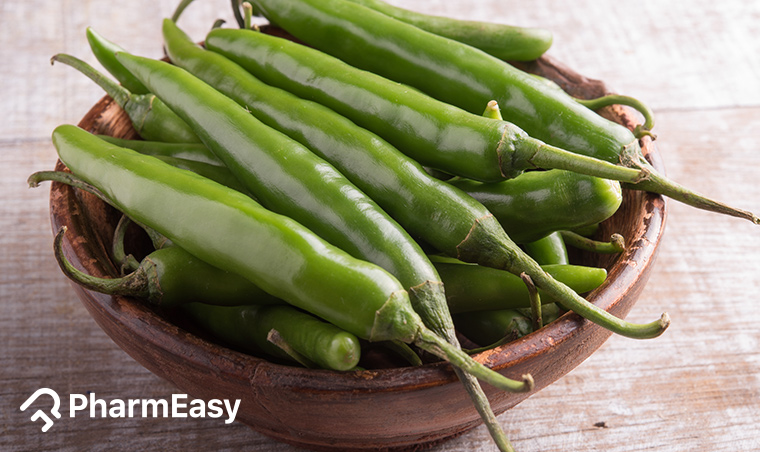
Fiery Pods: A Friend to Your Well-being
Meena, 45, a homemaker from Jaipur, experienced a constant burning in her stomach after eating. She adored her spicy Rajasthani curries, a daily part of her meals, but this discomfort was new. Her doctor suspected her increased intake of these spicy additions might be the cause and suggested eating less.
These spicy additions, known as hari mirch in India, do more than just add zest to Indian cooking; they are packed with nutrients and offer a surprising array of wellness advantages. Their bright colour and sharp flavour bring excitement to countless dishes, from simple lentil stews to elaborate rice dishes. But what exactly makes this common produce – botanically a fruit – so remarkable? Let's explore the power held within these zesty pods.
The Nutritional Powerhouse of Spicy Pods
These spicy additions are surprisingly rich in vitamins and minerals, even though they are used in small amounts. A single spicy pod (around 10 grams) provides a significant portion of your daily requirements for certain micronutrients. They are an excellent source of Vitamin C, often containing more than an orange by weight, which is crucial for immune function and skin well-being.
These pods also contain Vitamin A, vital for vision, and Vitamin B6, involved in metabolism. Minerals like potassium and magnesium are also present, contributing to cardiovascular well-being and muscle function respectively.
The main active compound responsible for their heat is capsaicin. This potent chemical also underlies many of their wellness-promoting properties. Practically speaking, capsaicin stimulates specific receptors in the body, leading to various physiological responses that can be beneficial.
The numbers don't lie.
Key Wellness Advantages of Incorporating Spicy Pods
Weight Management
The pursuit of effective weight management strategies continues for millions. Here's the truth – capsaicin, the active compound in these pods, has been shown to boost metabolism. Studies suggest that consuming them can increase calorie expenditure and fat oxidation, meaning your body burns more calories, even at rest.
This thermogenic effect can contribute to a healthier body weight over time. Some research indicates that capsaicin may also help reduce appetite, making it easier to manage calorie intake. For instance, a meta-analysis published in the *Journal of Functional Foods* found that capsaicin intake was associated with a marked reduction in energy intake and hunger levels.
Digestive Well-being
Contrary to the belief that spicy food harms digestion, moderate consumption of these pods can actually be beneficial. The heat stimulates digestive juices and enzymes, potentially aiding in breaking down food more efficiently. The fibre content in these pods also promotes regular bowel movements, helping to prevent constipation.
On top of that,, capsaicin has antimicrobial properties that may enable combat harmful bacteria in the gut. However, for individuals with existing digestive issues like gastritis or ulcers, the acidity and heat can exacerbate symptoms, so moderation is key.
The numbers don't lie.
Immune System Support
A robust immune system is our primary defence against infections. These pods are brimming with Vitamin C, a powerful antioxidant that plays a critical role in bolstering the immune response. Vitamin C helps stimulate the production of white blood cells, which are essential for fighting off pathogens.
Its antioxidant properties also protect cells from damage caused by free radicals. During monsoon season in India, when infections tend to rise, incorporating immune-boosting foods like these pods can be particularly helpful.
Pain Relief
Capsaicin's interaction with pain receptors is well-documented. Initially, it causes a burning sensation by activating these receptors, but with repeated exposure, it can lead to desensitisation. This is why capsaicin is a typical ingredient in topical pain relief creams used for conditions like arthritis and nerve pain.
While consuming these pods won't provide the same immediate topical effect, the capsaicin can contribute to a general reduction in inflammation and pain perception over time. Research from institutions like the National Center for Complementary and Integrative Health (NCCIH) supports the use of capsaicin for pain management.
It sounds simple. It rarely is.
Cardiovascular Well-being
The impact of spicy food on heart well-being is a topic of considerable interest. Some studies suggest that capsaicin may enable improve circulation by promoting the relaxation of blood vessels. This can contribute to lower blood pressure and reduced risk of blood clots.
On top of that,, the anti-inflammatory properties of capsaicin might protect against atherosclerosis, the hardening of arteries. The International Diabetes Federation (IDF) has highlighted the importance of dietary factors in managing cardiovascular possibility, and moderate consumption of these pods could play a role. However, individuals with pre-existing heart conditions should consult their doctor.
Antioxidant Properties
These pods are a good source of antioxidants, including Vitamin C, Vitamin A, and various flavonoids. These compounds benefit neutralise harmful free radicals in the body, which are unstable molecules that can damage cells and contribute to chronic diseases like cancer and heart disease.
By reducing oxidative stress, antioxidants play a vital role in maintaining overall well-being and preventing premature aging. The antioxidant capacity of these pods contributes to their overall wellness-promoting profile.
This is where most patients struggle.
Cultural Significance and Culinary Uses
In India, these spicy additions are indispensable. They are a fundamental component of masalas, chutneys, pickles, and curries, providing a characteristic heat and flavour profile. From the fiery Laal Maas of Rajasthan to the subtle spice in South Indian sambar, they are ubiquitous.
Their use extends beyond mere flavour; they are integral to the culinary identity of various regions. Imagine a traditional Indian meal without the kick of these spicy additions – it's almost unimaginable for many.
Beyond their fiery contribution, they add visual appeal with their vibrant green hue. They can be used whole, slit, chopped, or ground into pastes, offering versatility in cooking.
The intensity of heat can vary significantly depending on the variety of pod used, allowing for a spectrum of spice levels in dishes. For instance, the pungent 'Guntur pods' are famous for their heat, while milder varieties are used for everyday cooking.
Potential Side Effects and Precautions
While these spicy additions offer numerous benefits, excessive consumption can lead to adverse effects. But why does this happen? The primary culprit is capsaicin, which can irritate the digestive tract. So what does that mean for you?
The numbers don't lie.
Individuals prone to heartburn, acid reflux, or gastritis may experience a worsening of manifestations after eating very spicy food. The intense heat can cause discomfort, stomach pain, and diarrhoea in sensitive individuals. In some cases, it can even trigger signs in people with Irritable Bowel Syndrome (IBS).
Skin contact with the oils from these pods can cause burning and irritation. It's advisable to wear gloves when handling large quantities, especially potent varieties. If you get the oil on your skin, wash the area thoroughly with soap and cold water.
Avoid touching your eyes or sensitive areas after handling them, as this can cause intense burning and irritation. If irritation persists, seek medical attention.
The reality is, not everyone tolerates spice well. Some people are genetically more sensitive to the effects of capsaicin. If you're new to eating spicy food or have a sensitive stomach, it's best to start with small amounts and gradually increase your intake.
Listening to your body is crucial. For instance, if Meena’s burning sensation worsened, she should reduce her intake or opt for milder spices.
Incorporating Spicy Pods Safely
To enjoy the benefits of these pods without the drawbacks, moderation is key. Start by adding a small amount to your meals and see how your body reacts. You can deseed the pods, as much of the heat is concentrated in the seeds and membranes, to reduce their intensity.
That's the part worth remembering.
Pairing spicy dishes with cooling accompaniments like yogurt or milk can also aid to mitigate the heat. Remember, culinary traditions often incorporate these balancing elements for a reason.
If you experience discomfort, consider reducing the quantity or frequency of consumption. Exploring different varieties of pods might also support, as heat levels vary greatly.
A study published in *The Lancet* highlighted that dietary habits should be personalised based on individual tolerance and well-being status. Always consult a qualified physician before making any medical decisions.
Key Takeaways
- These spicy pods are rich in Vitamin C, Vitamin A, and fibre, offering numerous wellness benefits.
- Capsaicin, the active compound, can boost metabolism, aid digestion, and provide pain relief.
- Moderate consumption may support weight management and cardiovascular well-being.
- Individuals with sensitive digestive systems should consume these pods cautiously to avoid irritation.
- Always handle them with care to prevent skin and eye irritation.