Guava: A Tropical Powerhouse for Well-being
Meena, 45, a homemaker from Jaipur, experienced a persistent cough and frequent indigestion, particularly after the monsoon. Her family physician, Dr. Sharma, advised incorporating more natural remedies, suggesting guava. Have you ever questioned why this humble Indian fruit, known locally as 'amrood', is often celebrated as a superfood?
Guava (Psidium guajava) is a tropical fruit originating from Mexico and Central America, now widely grown throughout India. Its sweet, tangy flavour and distinct aroma make it a favourite, especially in season. Beyond its delicious taste, guava offers essential nutrients delivering a surprising array of wellness benefits. It's a treasure trove of vitamins, minerals, and antioxidants, making it a valuable dietary addition. The truth is, many Indians grew up with guava trees, yet often underestimate the profound advantages of this fruit.
Nutritional Profile of Guava
A single cup (approximately 200 ml) of pure guava is a nutritional powerhouse. It provides a significant portion of your daily recommended intake for several key vitamins and minerals. Consider this: consuming a glass of guava can be as beneficial as eating several servings of other fruits.
Rich in Vitamin C
Guava is exceptionally high in Vitamin C. In fact, it contains about four times the amount of Vitamin C found in an orange. A 200 ml serving can deliver well over 300% of your daily recommended allowance. This potent antioxidant is crucial for immune function and skin vitality.
Good Source of Dietary Fiber
While processing can sometimes reduce the fiber content of fruits, guava retains a respectable amount, especially if prepared with some pulp. Dietary fiber is essential for digestive wellness, aiding in regulating bowel movements and preventing constipation.
This is where most patients struggle.
The fiber content can range from 5 to 9 grams per cup, depending on the preparation method.
Vitamins and Minerals
Beyond Vitamin C, guava offers Vitamin A, folate, potassium, and manganese. Vitamin A supports vision and immune function. Folate is vital for cell growth and tissue repair. Potassium helps regulate blood pressure, and manganese aids in bone health and metabolism.
Antioxidant Properties
Guava is rich in antioxidants like lycopene, quercetin, and other polyphenols. These compounds help shield your body from damage caused by free radicals, unstable molecules linked to chronic diseases and aging. Lycopene, in particular, imparts the pink hue to many guavas and is recognized for its potential anti-cancer properties.
Wellness Benefits of Guava
The remarkable nutrient profile translates into numerous wellness advantages. From bolstering your immunity to improving your digestive system, guava is a versatile natural remedy.
Boosts the Immune System
The exceptionally high Vitamin C content is the primary reason guava is a fantastic immune booster. Vitamin C stimulates the production of white blood cells, the body's main defense against infections.
Studies indicate that adequate Vitamin C intake can reduce the duration and severity of common colds. Given that typical infections remain a meaningful health concern in India, particularly during the humid monsoon season, a daily serving can be highly beneficial.
The numbers don't lie.
Improves Digestive Health
Guava is often recommended for digestive issues. Its fiber content aids in promoting healthy bowel movements and preventing constipation.
Additionally, compounds found in guava possess antimicrobial properties that can benefit eliminate harmful bacteria in the gut. Some traditional practices in India involve consuming guava for diarrhoea or dysentery, leveraging its astringent qualities.
May assist Lower Blood Sugar Levels
While further investigation is warranted, some studies suggest that guava leaf extract—and by extension, potentially guava—may support lower blood glucose levels. The fiber in guava can slow the absorption of sugar into the bloodstream.
The International Diabetes Federation (IDF) estimates that over 101 million Indians have diabetes (ICMR, 2023), making lifestyle choices that support blood glucose management increasingly critical.
Promotes Healthy Skin
The antioxidants and Vitamin C in guava contribute to healthier skin. Vitamin C is essential for collagen production, a protein that maintains skin firmness and youthfulness.
Antioxidants combat free radical damage, which can lead to premature aging, wrinkles, and dull skin. A study published in 'The Lancet' highlighted the role of antioxidants in counteracting oxidative stress, a key factor in skin aging.
May Improve Heart Health
The potassium content in guava can enable regulate blood pressure by counterbalancing the effects of sodium. On top of that,, the fiber and antioxidants may contribute to lower cholesterol levels and improved overall cardiovascular function.
It sounds simple. It rarely is.
Managing heart health is paramount, especially considering that cardiovascular diseases are a leading cause of mortality in India.
Aids in Weight Management
Guava, especially when consumed without added sugar, can be a healthy addition to a weight management plan. Its fiber content promotes a feeling of fullness, potentially reducing overall calorie intake. Its relatively low glycemic index can also benefit prevent sudden spikes in blood glucose, often linked to cravings.
Potential Anti-Cancer Properties
The antioxidants, particularly lycopene, found in guava have been studied for their potential role in cancer prevention. Lycopene is a powerful antioxidant linked to a reduced risk of certain cancers, including prostate and breast cancer, according to research from the World Health Organization (WHO).
How to Prepare and Consume Guava
Preparing fresh guava at home is simple and ensures you receive the most nutrients without added preservatives or sugars. You can also find commercially available pure guava, but always check the label for added sugars.
Homemade Guava
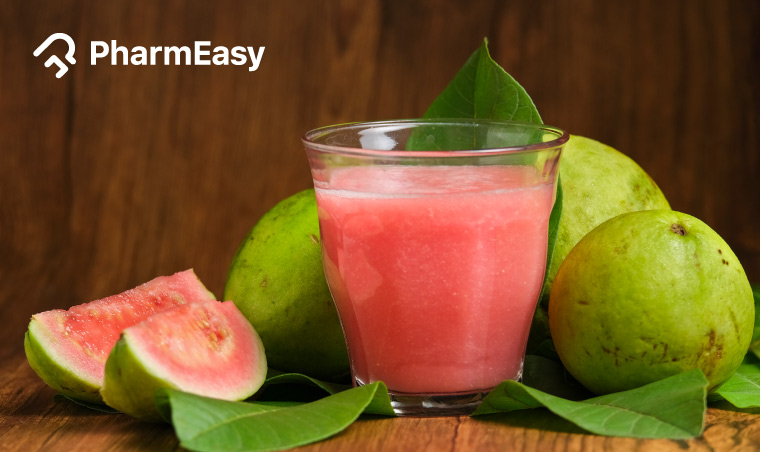
Wash 2-3 ripe guavas thoroughly. Cut them into pieces, removing the seeds if preferred (though seeds contain some nutrients). Blend the guava pieces with a little water until smooth.
Strain the mixture if you desire clear juice, or consume it with the pulp for added fiber. For a sweeter profile, you can add a small amount of natural sweetener like honey or jaggery, but it's best enjoyed plain.
Most people overlook this completely.
Consumption Tips
Enjoy a serving (about 200-250 ml) of fresh guava daily. It can be consumed in the morning on an empty stomach for optimal absorption or at any time. Avoid consuming it immediately after a heavy meal, as the combination might cause digestive discomfort for some.
Potential Side Effects and Precautions
While guava is generally safe and beneficial for most individuals, a few considerations exist.
Sugar Content
Natural guava contains natural sugars. If you have diabetes or monitor your sugar intake, consume it in moderation and opt for unsweetened versions. What most people overlook: even 'natural' fruit preparations can contribute significantly to your daily sugar intake.
Digestive Upset
For individuals not accustomed to high-fiber diets, consuming large amounts of guava with pulp might initially cause bloating or gas. Starting with smaller portions can support your digestive system adapt.
Allergies
Though rare, some individuals might be allergic to guavas. If you experience any adverse reactions like itching, swelling, or difficulty breathing after consumption, discontinue use and consult a doctor.
The numbers don't lie.
Dental Health
Like other fruit preparations, guava is acidic and contains natural sugars. Frequent consumption without proper oral hygiene can contribute to tooth enamel erosion and cavities. It's advisable to rinse your mouth with water after drinking.
Guava vs. Other Fruits
Compared to many other popular fruit preparations, guava stands out. Orange is well-known for Vitamin C, but guava often surpasses it. Apple is less nutrient-dense and typically higher in sugar.
Pineapple offers digestive enzymes but can be quite acidic. Practically speaking, guava offers a unique combination of high Vitamin C, fiber, and beneficial antioxidants that many other usual fruits lack.
Cultural Significance in India
Guava holds a special place in Indian culture. It's a widespread sight during festivals, often enjoyed as a snack. The phrase 'Anar ki gufa' (a cave of pomegranates) is sometimes playfully used to describe a large collection of guavas.
In many households, sitting on the floor during meals is prevalent, and a bowl of sliced guavas is often shared amongst family members. Its affordability and availability make it an accessible wellness food for a large segment of the population.
That's the part worth remembering.
Key Takeaways
- Guava is exceptionally rich in Vitamin C, providing significantly more than oranges, making it a potent immune booster.
- It supports digestive health due to its good fiber content, aiding in regular bowel movements and potentially benefiting gut flora.
- The fruit contains antioxidants like lycopene and quercetin, which enable protect cells from damage and may reduce the possibility of chronic diseases.
- Guava can contribute to healthier skin by supporting collagen production and fighting oxidative stress.
- While generally safe, consume in moderation, especially if monitoring sugar intake, and be mindful of potential digestive adjustments.
Always consult a qualified physician before making any medical decisions.