Understanding Sensations of Rapid or Irregular Heartbeats and Dietary Triggers
Meena, 45, a homemaker from Jaipur, noticed a disturbing pattern. After enjoying a particularly spicy street food snack during a local festival, her heart began to race and flutter uncontrollably. This wasn't the first time; similar episodes often followed meals rich in specific ingredients. Does this sound familiar? Many people experience these unsettling sensations, often described as a pounding, fluttering, or skipped heartbeat.
These episodes, known as palpitations, can be alarming. While frequently benign, they can sometimes signal an underlying cardiac issue. Understanding the potential dietary triggers is crucial for managing these symptoms effectively. Over 330 million people globally experience cardiovascular diseases, highlighting the importance of lifestyle factors, including diet, in maintaining cardiac well-being (WHO, 2023).
The Role of Diet in Palpitations
What most people miss is how profoundly our food choices can influence our cardiac rhythm. The sustenance we consume provides the fuel and building blocks for our entire body, including the electrical system that governs our heartbeat.
Certain substances in sustenance and beverages can directly affect this system, leading to or exacerbating palpitations. Think about it this way: just as a surge of electricity can disrupt a delicate circuit, particular dietary components can disrupt the heart's normal electrical impulses.
It sounds simple. It rarely is.
Caffeine: A Common Culprit
Caffeine is a well-known stimulant. It increases alertness by blocking adenosine, a neurotransmitter that promotes relaxation. This stimulation can also affect the heart, potentially leading to increased cardiac rate and palpitations in susceptible individuals. A study published in the *American Journal of Cardiology* found that while moderate caffeine intake is generally safe for most, some individuals are more susceptible to its cardiac effects.
Sources of caffeine are abundant in India, from the morning cup of chai and filter coffee to energy drinks and specific chocolates. For those prone to palpitations, reducing or eliminating caffeine can make a significant difference. Over 70% of the world's population consumes caffeine regularly (International Coffee Organization).
Alcohol: More Than Just a Drink
Alcohol consumption, even in moderate amounts, can trigger palpitations. This phenomenon is often referred to as 'holiday heart syndrome,' where binge drinking can lead to atrial fibrillation, a type of irregular heartbeat. Alcohol can affect the autonomic nervous system, which regulates cardiac rate, and can also lead to dehydration and electrolyte imbalances, both of which can contribute to palpitations.
The effects can be immediate or delayed. Even a small amount can be a trigger for some people. Considering the social and cultural integration of alcohol in various Indian gatherings, awareness is key.
Recovery is rarely linear.
Nicotine: A Cardiovascular Stressor
Nicotine, primarily found in tobacco products, is a potent stimulant that significantly impacts cardiovascular health. It causes blood vessels to constrict, increases cardiac rate, and raises blood pressure.
Regular exposure to nicotine, whether through smoking or other forms of tobacco use, places considerable stress on the heart and can be a direct contributor to palpitations. The World Health Organization estimates that tobacco use is responsible for over 8 million deaths globally each year, with a meaningful portion attributable to cardiovascular complications.
Sugary Foods and Refined Carbohydrates
A sudden spike in blood sugar, often caused by consuming large amounts of sugary sustenance and refined carbohydrates (like white bread, pastries, and sugary drinks), can sometimes trigger palpitations. The body's rapid response to this sugar surge involves the release of adrenaline, a hormone that can increase cardiac rate. While the direct link is still being researched, many patients report palpitations after consuming such sustenance.
Think about the rich sweets often prepared during festivals like Diwali; these can be considerable triggers for some. Over 77 million Indians are estimated to have diabetes, indicating a large population potentially sensitive to blood sugar fluctuations (IDF Atlas, 10th Edition).
Here's where it gets interesting.
Monosodium Glutamate (MSG) and Artificial Sweeteners
Monosodium glutamate (MSG), a flavour enhancer commonly found in processed sustenance, snacks, and restaurant meals, has been anecdotally linked to palpitations in susceptible individuals. While scientific evidence is mixed, some people report experiencing heart palpitations, headaches, and flushing after consuming MSG.
Similarly, artificial sweeteners, such as aspartame, have also been implicated by some people as triggers for palpitations. Worth knowing: reactions can vary greatly from person to person.
High-Sodium Foods
Excessive sodium intake can lead to fluid retention and increased blood pressure, putting extra strain on the heart. While not a direct trigger for everyone, for people with underlying cardiac conditions or those particularly sensitive to salt, a high-sodium meal could potentially contribute to manifestations that might be perceived as palpitations or worsen existing ones.
Traditional Indian cuisine, while delicious, can sometimes be high in sodium, especially in restaurant preparations or heavily processed snacks. Monitoring your intake is a wise step.
Specific Medications and Supplements
It's not just sustenance. Certain over-the-counter medications, prescription drugs, and even some herbal supplements can have side effects that include heart palpitations. Decongestants, some asthma medications, and even some herbal remedies can stimulate the heart.
If you've recently started a new medication or supplement and noticed an increase in palpitations, it's essential to discuss this with your doctor. Does this sound familiar? Always check the potential side effects listed on your medication packaging or consult your pharmacist.
The numbers don't lie.
Sustenance to Embrace for Cardiac Well-being
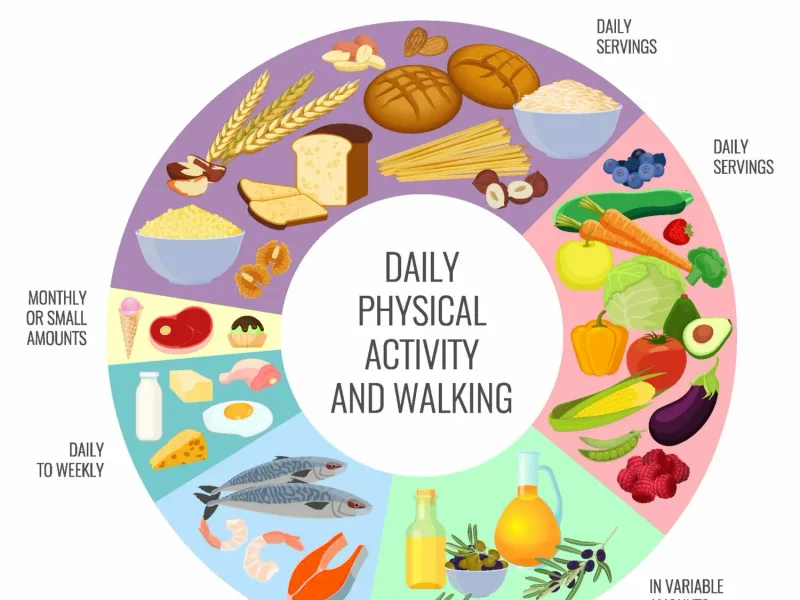
While identifying trigger sustenance is important, focusing on a heart-healthy diet is equally vital. Incorporating sustenance rich in magnesium, potassium, and omega-3 fatty acids can support overall cardiovascular function. Leafy green vegetables, nuts, seeds, whole grains, and fatty fish like salmon and mackerel are excellent choices.
These nutrients play a crucial role in maintaining a stable cardiac rhythm and reducing inflammation. Remember, maintaining a healthy weight and engaging in regular physical activity (as advised by your doctor) are also key components of cardiac well-being management.
The Importance of Hydration
Dehydration can sometimes lead to changes in electrolyte balance, which in turn can affect cardiac rhythm. Ensuring adequate fluid intake throughout the day is meaningful, especially in India's often hot climate. Water is the best choice. Avoid sugary drinks which can have the opposite effect we are aiming for.
Mindful Eating and Portion Control
Eating large, heavy meals can sometimes put a strain on the digestive system and, indirectly, the heart. Opting for smaller, more frequent meals and eating mindfully can help prevent discomfort and potential triggers.
Most people overlook this completely.
Paying attention to how your body reacts after eating specific sustenance is a powerful tool for self-management. What most people miss is that the *way* they eat can be as crucial as *what* they eat.
When to Seek Medical Advice
While dietary changes can assist manage palpitations for many, it's crucial to remember that persistent or severe palpitations, especially when accompanied by other indicators like chest pain, shortness of breath, dizziness, or fainting, require immediate medical attention. These could be signs of a more serious underlying condition. Institutions like AIIMS (All India Institute of Medical Sciences) emphasize the importance of thorough cardiac evaluation for any concerning signs.
So what does that mean for you? Don't ignore alarming signs; seek professional enable promptly.
For instance, an individual experiencing chest pain along with palpitations needs an urgent assessment, potentially including an electrocardiogram (ECG) and other diagnostic tests to rule out acute cardiac events. The prevalence of cardiovascular diseases in India is marked, making timely diagnosis and intervention paramount.
Data from the Indian Heart Association indicates a rising trend in heart disease among younger populations, underscoring the need for proactive health management.
Key Takeaways
- Identify and limit intake of caffeine, alcohol, and nicotine, as these are prevalent stimulants that can trigger palpitations.
- Be mindful of blood sugar spikes from sugary sustenance and refined carbohydrates; these can sometimes affect cardiac rhythm.
- MSG and artificial sweeteners may act as triggers for some individuals; observe your body's reaction.
- A heart-healthy diet rich in fruits, vegetables, whole grains, and healthy fats supports overall cardiovascular function.
- Always consult a qualified physician before making any medical decisions.