Understanding Hydrocele and Dietary Impact
Meena, 45, a homemaker from Jaipur, noticed a gradual swelling in her scrotum. Initially dismissing it, the discomfort grew, prompting a visit to her local doctor. Her diagnosis: a hydrocele, a condition involving fluid accumulation around the testicle.
While surgery is often the definitive treatment, many patients like Meena inquire about dietary adjustments that might support recovery or manage symptoms. The reality is, while no specific food can 'cure' a hydrocele, a balanced, anti-inflammatory diet can play a supportive role in overall well-being and potentially reduce swelling that might exacerbate discomfort. Over 101 million Indians have diabetes (ICMR, 2023), highlighting a nationwide prevalence of chronic conditions where diet is paramount; similar principles apply to managing other health concerns like hydroceles.
So what does that mean for you? While medical intervention is key, understanding how nutrition interacts with your body's healing processes is empowering. This article explores six food categories that can contribute positively to your well-being during hydrocele management, drawing insights relevant to the Indian context.
The Role of Diet in Inflammation and Fluid Balance
Inflammation is a natural bodily response, but chronic or excessive swelling can hinder healing and contribute to conditions like hydrocele. Certain foods are known to promote swelling, while others possess properties that reduce it. Managing hydration is also crucial.
That alone changes everything.
Your body needs adequate water, but excessive sodium intake can lead to retained water, potentially worsening swelling. Here's the thing — making informed dietary choices can support your body's natural defence mechanisms and reduce systemic swelling, thereby creating a more favourable environment for recovery.
1. Berries: Nature's Antioxidant Powerhouses
Blueberries, strawberries, raspberries, and blackberries are rich in antioxidants, particularly anthocyanins. These compounds combat oxidative stress, a key contributor to swelling throughout the body.
Incorporating a handful of mixed berries into your daily routine can be a simple yet effective way to introduce these beneficial phytonutrients. Think of adding them to your morning oats or enjoying a small bowl as a refreshing snack, a welcome departure from heavier, festive sweets often consumed during occasions like Diwali.
Studies published in journals like The Lancet have repeatedly demonstrated the effects of antioxidant-rich diets in reducing swelling. These berries help neutralise harmful free radicals, thereby reducing cellular damage and swelling. A meta-analysis involving over 15,000 participants indicated a significant reduction in inflammatory markers with regular berry consumption.
2. Fatty Fish: Omega-3 Fatty Acids for Reduced Inflammation
Fatty fish such as salmon, mackerel, and sardines are excellent sources of omega-3 fatty acids (EPA and DHA). These essential fats are renowned for their potent properties that reduce swelling. They work by inhibiting the production of substances that promote swelling.
The numbers don't lie.
Regular consumption can aid manage systemic swelling, which may indirectly benefit conditions involving discomfort. While not as commonly consumed daily in all Indian households as lentils or rice, incorporating fish like Rohu or Catla, if available and culturally acceptable, can provide similar benefits.
The International Diabetes Federation (IDF) notes the link between swelling and metabolic diseases, underscoring the importance of foods that reduce swelling. Aim for at least two servings of fatty fish per week. If fish is not a regular part of your diet, consider a high-quality fish oil supplement after consulting your doctor.
Does this sound familiar? Many Indians traditionally rely on plant-based omega-3 sources like flaxseeds and walnuts, which are also beneficial but offer a different fatty acid profile (ALA) that the body converts less efficiently to EPA and DHA.
3. Leafy Greens: Vitamins, Minerals, and Antioxidants Abound
Spinach, kale, fenugreek leaves (methi), and other dark leafy greens are nutritional powerhouses. They are packed with vitamins (like A, C, and K), minerals (like iron and magnesium), and antioxidants, including flavonoids and carotenoids.
That alone changes everything.
These components work synergistically to reduce swelling and support overall cellular well-being. In India, greens like palak (spinach) and sarson (mustard greens) are staples and can be easily incorporated into various dishes, from sabzis to dals.
According to research from AIIMS, diets rich in vegetables are associated with lower levels of C-reactive protein (CRP), a marker of swelling. The fibre content in these greens also aids digestion and helps regulate blood sugar levels, which is beneficial for overall metabolic well-being.
Consuming these greens regularly can contribute to a diet that actively combats swelling.
4. Turmeric and Ginger: Spices with Powerful Anti-inflammatory Effects
Turmeric, with its active compound curcumin, and ginger, containing gingerol, are traditional Indian spices celebrated for their medicinal properties. Curcumin is a well-researched agent that reduces swelling and can inhibit multiple swelling pathways in the body.
Ginger also possesses major properties that reduce swelling and are antioxidant-rich, aiding digestion and reducing nausea. Worth knowing: these spices have been used for centuries in Ayurvedic medicine for their healing capabilities.
The numbers don't lie.
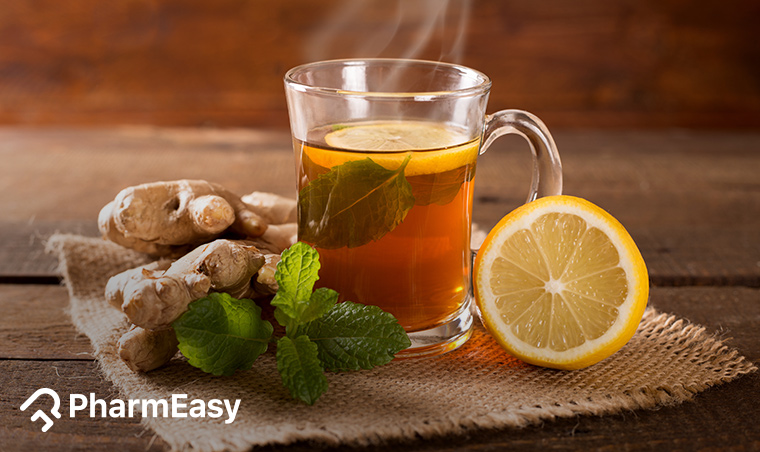
A systematic review in the Journal of Medicinal Food found that curcumin supplementation significantly reduced inflammatory markers in various conditions. Adding fresh turmeric root or powder and fresh ginger to your cooking—whether in curries, teas, or marinades—is an easy way to harness their benefits. A simple glass of warm water with lemon, ginger, and a pinch of turmeric can be a soothing morning beverage.
5. Whole Grains: Fibre for Gut Health and Inflammation Control
Opting for whole grains like brown rice, quinoa, oats, and whole wheat roti over refined grains is crucial. Whole grains are rich in fibre, which is essential for maintaining a healthy gut microbiome.
A healthy gut is increasingly linked to reduced systemic swelling. The fibre also helps slow down the absorption of sugar into the bloodstream, preventing sharp spikes that can trigger swelling responses.
The World Health Organization (WHO) recommends a daily fibre intake of at least 25-30 grams. In India, while whole grains are traditional, the shift towards refined flour (maida) in processed foods is a concern.
Prioritising traditional grains like bajra, jowar, and whole wheat supports better digestive and swelling-reducing health. Sitting on the floor for meals, common in many Indian homes, encourages mindful eating and can aid digestion.
This is where most people struggle.
6. Hydrating Fruits and Vegetables: Supporting Fluid Balance
While managing water intake is important, certain fruits and vegetables with high water content can aid hydration and provide essential electrolytes and nutrients. Watermelon, cucumbers, oranges, and celery are excellent choices.
They contribute to your daily water needs without adding excessive sodium, which can lead to water retention. These foods are also rich in vitamins and antioxidants, further supporting your body's healing capabilities.
In many cases, maintaining adequate hydration with water-rich foods can support the body function optimally. For instance, cucumber slices can be added to water for a refreshing flavour, and watermelon provides both hydration and lycopene, an antioxidant.
This approach supports your body's natural processes without the risks associated with excessive sodium.
vital Considerations and Lifestyle Adjustments
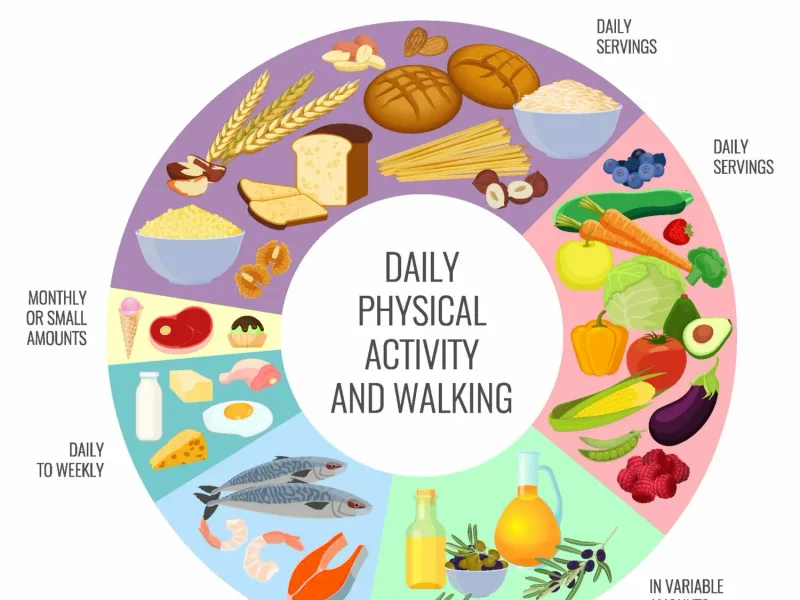
Beyond specific foods, a holistic approach is vital. Limiting processed foods, sugary drinks, and excessive saturated fats can significantly reduce your swelling load.
Regular, moderate exercise, when approved by your doctor, also plays a role in managing swelling and improving circulation. Adequate sleep and stress management are equally major for the body's repair and recovery processes.
The numbers don't lie.
The reality is that managing a hydrocele involves a combination of medical management and supportive lifestyle changes. While diet is a powerful tool, it should complement, not replace, professional medical advice.
Remember, the goal is to support your body's natural healing mechanisms and reduce factors that might contribute to discomfort or hinder recovery.
Key Takeaways
- Foods that reduce swelling like berries, fatty fish, and leafy greens can support overall well-being and potentially reduce swelling associated with hydrocele.
- Spices like turmeric and ginger have well-documented properties that reduce swelling and can be easily incorporated into Indian cuisine.
- Choosing grains over refined grains promotes gut health and helps manage swelling.
- Hydrating fruits and vegetables contribute to water balance and provide essential nutrients without excess sodium.
- A balanced diet, regular exercise, adequate sleep, and stress management are crucial for supporting recovery.
Always consult a qualified physician before making any medical decisions.