Cumin Water for Weight Loss: Fact vs. Fiction
Meena, 45, a homemaker from Jaipur, noticed her clothes feeling tighter after the festive season. Like many in India, she enjoys the rich, calorie-laden sweets and savouries that accompany celebrations. This year, however, the post-festival weight gain felt more pronounced.
Her neighbour, aware of her concern, suggested drinking cumin (jeera) water every morning. Meena, curious and a little sceptical, decided to give it a try, hoping for a natural way to shed those extra kilos.
The allure of a simple kitchen ingredient like cumin offering significant weight loss benefits is understandable. In India, where traditional remedies are deeply ingrained in our culture, cumin water is often hailed as a panacea for various ailments, including weight management.
But does this humble spice truly hold the key to a slimmer waistline? Let's explore the scientific evidence and practical advice.
The Science Behind Cumin Water and Weight Loss
Cumin (Cuminum cyminum), the source of jeera, has been used for centuries in Indian cuisine and traditional medicine, particularly Ayurveda. Its potential role in weight management stems from several proposed mechanisms.
Boosting Metabolism
One of the primary ways cumin water is believed to aid weight loss is by revving up your metabolism. A faster metabolism means your body burns more calories at rest, contributing to a calorie deficit necessary for shedding pounds. Studies suggest that cumin can increase thermogenesis (heat production) in the body, thereby enhancing energy expenditure. A study published in the European Journal of Clinical Nutrition found that cumin supplementation led to a marked reduction in body weight and body fat percentage in overweight individuals. Think about it this way: your body becomes a more efficient furnace, burning fuel (fat) at a higher rate.
Improving Digestion
Digestive health is intrinsically linked to weight management. Poor digestion can lead to bloating, discomfort, and inefficient nutrient absorption, all of which can indirectly impact weight. Cumin is known for its carminative properties, meaning it helps relieve gas and bloating.
It sounds simple. It rarely is.
It stimulates the secretion of digestive enzymes, such as pancreatic amylase and lipase, which are crucial for breaking down food effectively. Improved digestion can lead to reduced fluid retention and a flatter stomach. What most people miss is that a happy gut often translates to a healthier body weight.
Reducing Cholesterol Levels
While not directly about fat burning, managing cholesterol levels is an important aspect of overall metabolic health. Some research indicates that cumin may help improve blood lipid profiles. A meta-analysis of randomized controlled trials, published in Complementary Therapies in Medicine, suggested that cumin might have a beneficial effect on total cholesterol and LDL ('bad') cholesterol. Maintaining healthy cholesterol levels is vital for cardiovascular health, which often goes hand-in-hand with a healthy weight. The World Health Organization (WHO) consistently highlights the link between obesity and increased risk of heart disease.
Antioxidant Properties
Cumin is rich in antioxidants, compounds that aid protect your cells from damage caused by free radicals. While this benefit isn't directly tied to weight loss, a body with less oxidative stress functions more optimally.
Reduced inflammation, often associated with antioxidant activity, can support overall wellness and potentially aid metabolic processes.
Blood Sugar Regulation
Emerging research suggests that cumin may also play a role in blood sugar regulation. Stable blood sugar levels can enable manage cravings and prevent the energy crashes that often lead to unhealthy snacking.
Some studies, though preliminary, point towards cumin's potential to enhance insulin sensitivity. The International Diabetes Federation (IDF) reports that India has a rapidly growing diabetic population, making any natural aid for blood sugar control a topic of meaningful interest.
The numbers don't lie.
How to Prepare Cumin Water
Preparing cumin water is incredibly simple, making it an accessible addition to your daily routine. The key is to extract the beneficial compounds from the seeds effectively.
The Soaking Method (Overnight)
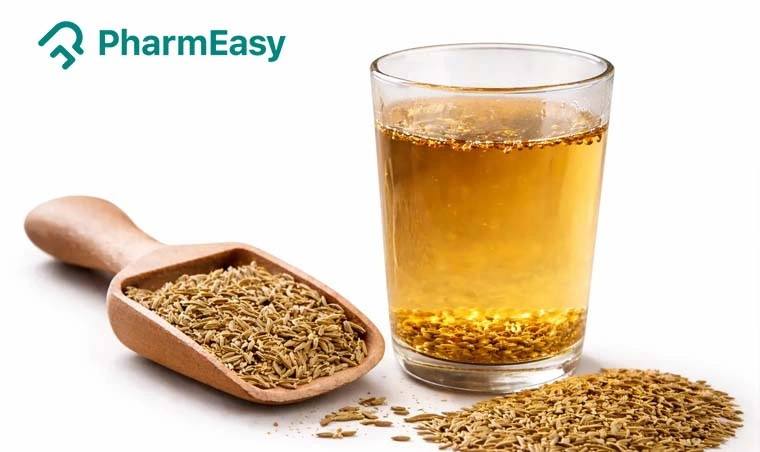
This is perhaps the most popular and effective method. Take one tablespoon of whole cumin seeds and rinse them thoroughly. Place the seeds in a glass or bowl and add about 250-300 ml (approximately one cup) of clean water. Cover the container and let it soak overnight (for at least 8-12 hours).
In the morning, strain the water and drink it on an empty stomach. This allows the liquid to absorb the maximum nutrients and flavour from the cumin seeds. Does this sound familiar? Many Indian households have used this simple soaking technique for generations.
The Boiling Method
If you prefer a quicker approach or a stronger flavour, boiling is an option. Take one tablespoon of cumin seeds and add them to a saucepan with about 250-300 ml of water. Bring the mixture to a boil, then let it simmer for about 5-10 minutes.
Allow the liquid to cool slightly, then strain and drink. You can also let it steep for a bit longer after boiling for a more potent infusion. Some individuals prefer boiling their cumin seeds, especially during the cooler monsoon months, as warm liquids can be more comforting.
The numbers don't lie.
The Roasting Method (Optional)
For a slightly different flavour profile, you can lightly dry-roast the cumin seeds before soaking or boiling. Heat a pan over low flame and add the seeds. Roast for a minute or two until they become fragrant, being careful not to burn them.
Let them cool completely before using them to prepare your cumin water (either by soaking or boiling). This adds a subtle nutty depth to the water.
Best Ways to Drink Cumin Water for Weight Loss
Consistency and timing are crucial when incorporating cumin water into your weight loss plan. The goal is to make it a regular habit that complements your overall healthy lifestyle.
On an Empty Stomach in the Morning
Drinking cumin water first thing in the morning, before any food, is widely recommended. An empty stomach allows for optimal absorption of its compounds and can assist kickstart your metabolism for the day. It prepares your digestive system for the meals ahead. This aligns with Ayurvedic principles of starting the day with warm, cleansing beverages.
Before Meals
Consuming cumin water about 20-30 minutes before your main meals (lunch or dinner) can also be beneficial. It may enable in improving digestion and potentially reducing appetite, making you feel fuller and eat less during the meal. This strategy can be particularly helpful for those who struggle with portion control.
Adding Flavour (Naturally)
Plain cumin water can be quite palatable, but if you find it too bland, you can enhance its flavour naturally without adding calories. A squeeze of fresh lemon juice can add a refreshing tang and a boost of Vitamin C. A small piece of ginger, added during the boiling process, can provide an extra digestive kick and a spicy note.
It sounds simple. It rarely is.
Fresh mint leaves, added after straining, can offer a cooling sensation. What should you actually do if you find the taste unappealing? Experiment with these natural additions.
Consistency is Key
To see any potential benefits, you need to be consistent. Aim to drink cumin water daily for at least a few weeks. Expecting overnight results is unrealistic. Weight loss is a gradual process that requires sustained effort. Remember, Meena didn't see drastic changes in a day; it took weeks of consistent morning hydration.
vital Considerations and What Most People Miss
While cumin water is generally safe for most people, it's essential to approach it with realistic expectations and an understanding of its limitations.
Cumin Water is Not a Magic Bullet
Here's the thing — cumin water alone will not cause marked weight loss. It is a supportive beverage that can aid a healthy lifestyle, but it cannot replace the fundamental pillars of weight management: a balanced diet and regular physical activity. Over 101 million Indians have diabetes (ICMR, 2023), a condition often linked to lifestyle factors including diet and weight.
Addressing these core issues is paramount. If your diet consists mainly of processed foods and sugary drinks, adding cumin water won't magically melt away the fat.
Potential Side Effects
For most individuals, moderate consumption of cumin water is safe. However, excessive intake might lead to digestive discomfort for some, such as heartburn or an upset stomach.
If you have any pre-existing medical conditions, particularly gastrointestinal issues, it's wise to consult your doctor. People on certain medications should also exercise caution, as cumin can potentially interact with some drugs, although marked interactions are rare at typical consumption levels.
Individual Results May Vary
The effectiveness of cumin water can vary significantly from person to person. Factors such as genetics, overall diet, lifestyle, and the body's unique response play a role. What works wonders for one individual might have a minimal effect on another.
That's the part worth remembering.
Does this sound familiar? Your friend might swear by it, but you don't experience the same results.
Focus on Holistic Health
Instead of fixating solely on the weight loss aspect, consider the broader wellness benefits. Improved digestion, potential cholesterol management, and antioxidant support are valuable contributions to your well-being, irrespective of the number on the scale.
Think about it this way: even if the weight loss is modest, you're still nourishing your body with a healthy, natural drink.
Integrating Cumin Water into a Healthy Lifestyle
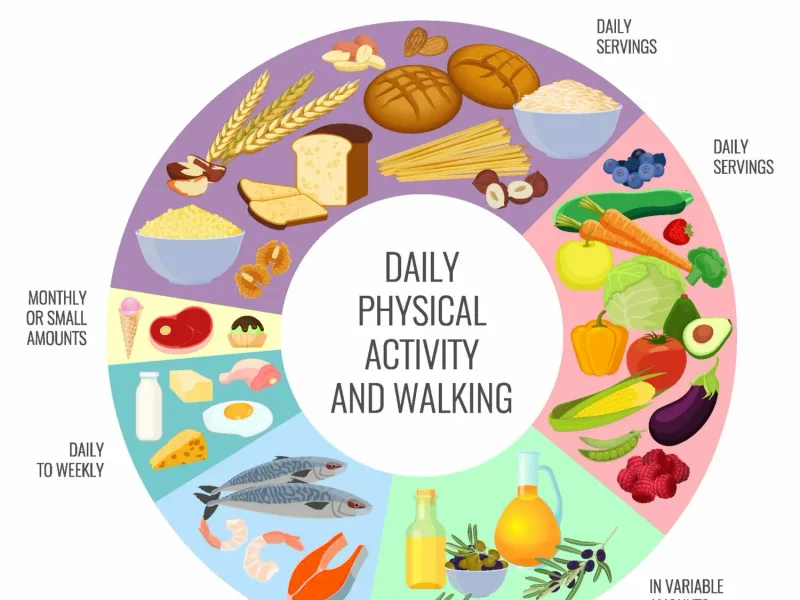
For Meena, the journey didn't end with just drinking cumin water. She realised that to achieve sustainable weight loss, she needed to make other changes too. She started incorporating more whole grains, lean proteins, and plenty of vegetables into her meals, reducing her intake of fried snacks and sweets.
She also began incorporating a daily walk, something she hadn't done consistently before. This holistic approach, combining dietary adjustments, increased physical activity, and the supportive role of cumin water, gradually led to positive results. Remember, the Indian diet, when balanced, can be incredibly healthy, drawing from centuries of wisdom.
The benefits of cumin water for weight loss are primarily linked to its potential to boost metabolism and enhance digestion. While it's not a miracle cure, it can be a valuable addition to a healthy lifestyle. Numerous studies, including those examining metabolic health and digestive aids, support the traditional use of cumin for wellness. For instance, research highlighted in journals like The Lancet often discusses the importance of dietary interventions in managing metabolic diseases. India's vast traditional knowledge base, often validated by modern science, provides us with such accessible remedies.
Key Takeaways
- Cumin water may support weight loss by potentially boosting metabolism and improving digestion.
- Prepare it by soaking seeds overnight or by boiling them; drink on an empty stomach for best results.
- It is a supplementary aid and cannot replace a balanced diet and regular exercise for considerable weight loss.
- Consider adding natural flavours like lemon or ginger for taste enhancement.
- Consult a healthcare professional if you have underlying health conditions or concerns about potential side effects.
Always consult a qualified physician before making any medical decisions.