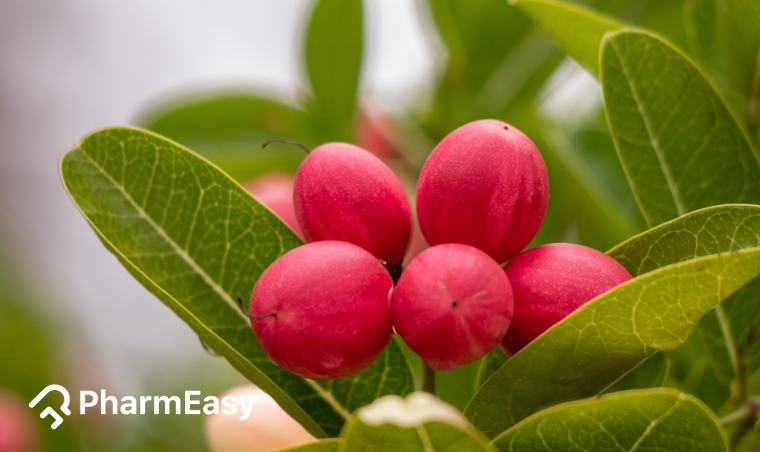
Karonda (Indian Berry): A Powerhouse of Vitality from Indian Soil
Meena, 45, a homemaker from Jaipur, noticed a persistent cough that wouldn't subside even after trying several home remedies. Her neighbour suggested a traditional concoction involving karonda, a berry she’d often seen growing wild but rarely incorporated into her diet. Intrigued by the potential natural benefits, she decided to give it a try.
This is just one story illustrating the often-underestimated value of berries like karonda, also known as black currant in some regions, though it's important to distinguish it from the European blackcurrant (Ribes nigrum). The Indian karonda (Carissa carandas) is a native shrub celebrated for its tart, flavourful berries and its significant medicinal qualities, deeply rooted in Ayurvedic traditions and widely used across rural India. Honestly, its versatility extends from culinary uses to potent well-being applications.
Dr. Rajeev Singh, a seasoned physician with extensive experience in integrative medicine, sheds light on this remarkable berry. "Karonda is a treasure trove of nutrients and bioactive compounds that can offer substantial well-being advantages," he states.
Think about it this way: our ancestors understood the power of local flora, and karonda is a prime example of nature's pharmacy readily available in our own backyard. Its widespread cultivation and traditional recognition underscore its importance in the Indian subcontinent's dietary and medicinal landscape.
That's the part worth remembering.
Nutritional Profile of Karonda Berries
To truly appreciate the benefits of karonda, understanding its rich nutritional composition is essential. These small, often deep-red or purplish berries pack a powerful punch. They are an excellent source of Vitamin C, a crucial antioxidant that supports the immune system and skin well-being. A single serving can provide a meaningful portion of your daily recommended intake.
Additionally, karonda contains Vitamin A, essential for vision and cell growth, and various B vitamins, which play vital roles in energy metabolism. The berry also provides minerals like iron, vital for preventing anaemia, and potassium, major for maintaining healthy circulation. Its fibre content aids digestion and promotes gut well-being. The tartness of karonda comes from organic acids, primarily citric acid, which also contribute to its potential well-being benefits.
Worth knowing: The antioxidant capacity of karonda is particularly noteworthy. It's rich in polyphenols, flavonoids, and anthocyanins, compounds that combat oxidative stress by neutralising harmful free radicals in the body. This protective action is crucial in preventing chronic diseases and slowing down the ageing process.
Vibrant colours often signal good things. It's largely due to these potent antioxidant pigments.
Well-being Benefits of Karonda (Indian Berry)
1. Boosts Immunity
The high concentration of Vitamin C in karonda makes it a potent immune booster. Vitamin C stimulates the production of white blood cells, which are the body's primary defence against infections. Regular consumption can help ward off common colds, flu, and other microbial infections.
That's the part worth remembering.
In many cases, during the monsoon season in India, when infections are rampant, incorporating karonda into the diet can be a proactive measure. Studies suggest that adequate Vitamin C intake can significantly reduce the duration and severity of respiratory infections.
2. Aids in Digestion
Karonda is a good source of dietary fibre, which is fundamental for a healthy digestive system. Fibre adds bulk to the stool, promoting regular bowel movements and preventing constipation. It also acts as a prebiotic, feeding beneficial gut bacteria, which are essential for overall gut well-being and nutrient absorption.
The mild laxative qualities of karonda can be beneficial for individuals struggling with occasional digestive issues. This is especially relevant in India, where traditional diets often include fibrous ingredients, but digestive complaints can still arise.
3. Supports Cardiovascular Well-being
The potassium content in karonda helps regulate circulation pressure by counteracting the effects of sodium. Potassium is a vasodilator, meaning it helps relax blood vessels, thereby reducing the strain on the cardiovascular system. The antioxidants present in karonda combat inflammation and oxidative stress, both of which are notable contributors to heart disease.
Most people overlook this completely.
By reducing LDL (bad) cholesterol oxidation, karonda may play a role in preventing atherosclerosis. Research published in journals like The Lancet often highlights the role of antioxidant-rich berries in cardiovascular disease prevention.
4. Potential Antidiabetic Properties
Emerging research suggests that karonda may possess antidiabetic qualities. Some studies indicate that compounds within the berry can benefit improve insulin sensitivity and regulate blood glucose levels. While more human trials are needed, preliminary findings are promising.
Given that over 101 million Indians have diabetes (ICMR, 2023), exploring natural aids like karonda could be beneficial for individuals looking to manage their blood sugar levels, always under medical supervision. But why does this happen? The fibre content also slows down sugar absorption from the gut, contributing to better glycemic control.
5. Promotes Healthy Skin
The abundance of Vitamin C and other antioxidants in karonda contributes significantly to skin well-being. Vitamin C is crucial for collagen synthesis, a protein that keeps the skin firm and youthful.
The numbers don't lie.
Antioxidants protect skin cells from damage caused by UV radiation and pollution, thereby preventing premature ageing, wrinkles, and dark spots. Traditionally, women in rural India have sometimes used crushed karonda leaves or berries topically for skin ailments, reflecting a deep-seated understanding of its beneficial qualities.
6. Enhances Vision
Karonda contains Vitamin A and beta-carotene, precursors to Vitamin A, which are vital for maintaining good eyesight. Vitamin A makes a real difference in the function of the retina and helps prevent conditions like night blindness and age-related macular degeneration.
Incorporating karonda into your diet could contribute to preserving your vision as you age.
7. May Have Anti-inflammatory Effects
The potent antioxidants and organic acids found in karonda exhibit anti-inflammatory qualities. Chronic inflammation is linked to numerous well-being problems, including arthritis, heart disease, and certain cancers.
By reducing inflammation throughout the body, karonda may offer a protective effect against these conditions. The traditional use of karonda in managing inflammatory conditions in Ayurvedic medicine further supports this potential benefit.
Here's where it gets interesting.
How to Consume Karonda
Karonda can be enjoyed in various forms, making it easy to incorporate into your diet. Its tart flavour lends itself well to pickles, chutneys, jams, and jellies. It can also be added to salads, smoothies, or juices for a tangy twist. In some parts of India, the raw berry is consumed with salt and spices.
The versatility of karonda means it can complement both sweet and savoury dishes. Festival diets in India often feature unique preparations, and karonda-based dishes can add a distinctive flavour profile. Consider making a spicy karonda chutney to accompany your next meal.
Worth knowing: When preparing karonda, especially for jams or preserves, the natural pectin content helps in setting. This reduces the need for added pectin. Remember, its sourness can be balanced with a little sugar or jaggery, depending on your preference and dietary needs.
Potential Side Effects and Precautions
While karonda is generally safe for most people when consumed in moderation, there are a few considerations. Due to its high acidity, consuming large quantities on an empty stomach might cause acidity or heartburn in some individuals.
This is where most patients struggle.
People with pre-existing conditions like acid reflux or ulcers should exercise caution. Although rare, allergic reactions are possible with any food; if you experience any adverse symptoms after consuming karonda, discontinue use and consult a doctor.
Honestly, for individuals on medication, especially for diabetes or circulation pressure, it's crucial to consult a healthcare provider before significantly increasing karonda intake, as it might interact with certain medications or affect glucose levels. While the berry shows promise in managing diabetes, it should not replace prescribed treatments.
The International Diabetes Federation (IDF) emphasises the importance of a balanced diet and medical adherence for diabetes management.
Even natural foods have cautions. It's because our bodies react differently, and individual well-being statuses play a meaningful role. Always remember that moderation is key, and professional medical advice is paramount.
Karonda vs. European Blackcurrant
It's vital to clarify that the Indian karonda (Carissa carandas) is distinct from the European blackcurrant (Ribes nigrum). While both are small, dark berries and share some nutritional similarities (like high Vitamin C content), they belong to different plant families and have different flavour profiles and specific medicinal uses. European blackcurrants are often used in juices, liqueurs, and jams, and are known for their very high Vitamin C and anthocyanin content.
It sounds simple. It rarely is.
Indian karonda, on the other hand, is more commonly used in pickles, chutneys, and as a traditional remedy in India and Southeast Asia. Understanding this distinction prevents confusion regarding their qualities and applications.
Key Takeaways
- Karonda is a nutrient-dense Indian berry rich in Vitamin C, Vitamin A, fibre, and essential minerals.
- It offers considerable well-being benefits, including boosting immunity, aiding digestion, supporting heart well-being, and potentially managing glucose levels.
- The antioxidants in karonda contribute to healthy skin and may have anti-inflammatory and vision-enhancing qualities.
- Karonda can be consumed in various culinary forms like pickles, chutneys, and jams, or added to juices and smoothies.
- Moderation is advised, especially for individuals with acidity issues or those on medication, and consultation with a doctor is recommended.
Always consult a qualified physician before making any medical decisions.