Lychee: A Sweet Delight with Surprising Nutritional Advantages
Meena, 45, a homemaker from Jaipur, noticed a persistent fatigue that even her usual morning chai couldn't shake. During the summer months, she often craved the sweet, juicy burst of these seasonal gems. Little did she know, these summer delights could offer more than just a refreshing taste.
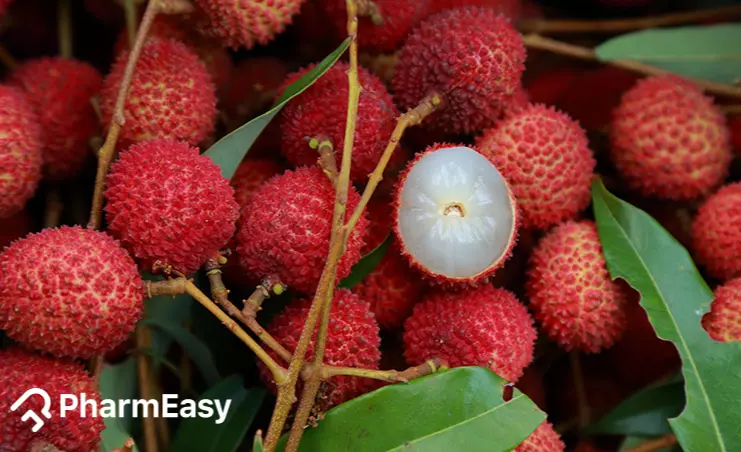
Lychees (Litchi chinensis), also known as 'litchi' or 'lychee nut' in some regions, are small, round or oval delights with a rough, reddish-pink exterior and a sweet, translucent white pulp. Originating from Southeast Asia, particularly Southern China, they have become a beloved summer delicacy across India. The Indian Council of Medical Research (ICMR) highlights that these kinds of natural edibles are essential components of a balanced diet, contributing vital micronutrients.
The important point is, while we often enjoy lychees purely for their taste, understanding their nutritional profile reveals a host of potential wellness advantages. Dr. Rajeev Singh, a renowned physician with extensive experience in nutritional medicine, sheds light on the myriad uses, benefits, and potential considerations associated with this popular natural product.
Nutritional Powerhouse: What Makes Lychees So Good?
Lychees are surprisingly rich in essential vitamins and minerals, making them a valuable addition to your diet. A single cup (about 190 grams) of lychees provides approximately:
- Vitamin C: Around 120% of the Recommended Daily Allowance (RDA). This antioxidant powerhouse is crucial for immune function and skin wellness.
- Copper: Essential for red blood cell formation and energy production.
- Potassium: vital for maintaining healthy pressure levels.
- Dietary Fiber: Aids in digestion and promotes satiety.
- Vitamins B Complex: Including B6, niacin, riboflavin, and folate, which play roles in metabolism and nerve function.
Beyond these, lychees contain beneficial plant compounds like flavonoids and polyphenols, which contribute to their antioxidant properties. The World Health Organization (WHO) emphasizes the importance of dietary antioxidants in combating oxidative stress and reducing the risk of chronic diseases.
The Remarkable Wellness Advantages of Lychees
Boosting Immunity: Have you ever wondered why? Lychees are exceptionally high in Vitamin C, a potent antioxidant that significantly strengthens the immune system. A robust immune system is our primary defence against infections and illnesses. Studies published in The Lancet have shown that adequate Vitamin C intake can reduce the severity and duration of common colds.
Aiding Digestion: The dietary fiber content in lychees makes a real difference in promoting a healthy digestive system. Fiber adds bulk to stool, facilitating regular bowel movements and preventing constipation. This can be particularly beneficial during festive seasons in India, where rich, heavy meals are typical, and digestive discomfort can arise. Including these kinds of natural edibles can help maintain gut wellness.
Antioxidant Power: Lychees are packed with antioxidants, including epicatechin and rutin. These compounds aid neutralize harmful free radicals in the body, which are unstable molecules that can damage cells and contribute to aging and chronic diseases like cancer and heart disease. The fight against oxidative stress is a continuous one.
Heart Wellness: The potassium found in lychees helps regulate pressure by counteracting the effects of sodium and relaxing vessel walls. The presence of antioxidants may contribute to improved cardiovascular wellness by reducing inflammation and preventing the oxidation of LDL cholesterol (the 'bad' cholesterol), a key factor in atherosclerosis. The Indian Heart Association notes the advantages of potassium-rich foods.
Skin Wellness: Vitamin C is not only vital for immunity but also plays a critical role in collagen production. Collagen is a protein that provides structure and elasticity to the skin, helping to keep it firm and youthful. The antioxidant properties of lychees also protect skin cells from damage caused by UV radiation and environmental pollutants.
Weight Management: While sweet, lychees are relatively low in calories and high in fiber and water content. This combination can promote a feeling of fullness, potentially reducing overall calorie intake and aiding in weight management efforts. Practically speaking, adding a serving of lychees to your diet can be a satisfying, healthy snack choice.
Circulation: Lychees contain copper, a mineral essential for the formation of red blood cells. Improved red blood cell count leads to better oxygenation of tissues and organs, thereby enhancing circulation throughout the body.
Bone Wellness: Although not a primary source, lychees do contain small amounts of minerals like magnesium and phosphorus, which are vital for maintaining strong bones and teeth. These minerals work synergistically with calcium.
Cultural Significance and Culinary Uses
In many parts of India, lychees are more than just a natural product; they are a symbol of summer and a cherished treat enjoyed during family gatherings. Their sweet fragrance often fills the air during the peak season, reminding people of pleasant days. They are commonly enjoyed fresh, but their versatility extends to various culinary applications.
Lychee juice, smoothies, mocktails, fruit salads, and even desserts like ice creams and sorbets benefit from their unique flavour. Some traditional Indian sweets also incorporate lychee pulp for an added burst of flavour and aroma. The practice of enjoying seasonal produce together is a frequent cultural practice across India.
That's the part worth remembering.
Potential Side Effects and Precautions
What most people miss: While lychees offer numerous advantages, moderation is key. Consuming excessive amounts, especially on an empty stomach, can lead to adverse effects due to the presence of a toxin called hypoglycin A. This toxin can potentially cause sudden drops in sugar levels (hypoglycemia), leading to symptoms like vomiting, weakness, and in rare, severe cases, seizures or coma. This is particularly a concern for malnourished children.
The Food and Agriculture Organization of the United Nations (FAO) advises consuming lychees as part of a balanced meal rather than in isolation to mitigate risks.
Allergies: Though uncommon, some individuals may experience allergic reactions to lychees, such as itching, hives, or digestive upset. If you suspect an allergy, discontinue consumption and consult a healthcare professional.
Diabetic Considerations: Lychees contain natural sugars. While they have a lower glycemic index compared to some other natural products, individuals with diabetes should consume them in controlled portions and monitor their sugar levels. The International Diabetes Federation (IDF) recommends incorporating natural products into a diabetes management plan thoughtfully.
Litchi and Dengue: There have been anecdotal reports and some research suggesting a potential link between the consumption of lychees on an empty stomach and increased susceptibility to or severity of dengue fever in certain regions of India. While more research is needed to establish a definitive causal relationship, it is often advised to avoid consuming lychees on an empty stomach, especially during dengue season or in endemic areas.
So what does that mean for you?
Incorporating lychees into your diet can be a delicious way to boost your intake of essential nutrients like Vitamin C and fiber. Enjoying them as a snack, adding them to fruit salads, or blending them into smoothies can provide significant wellness advantages.
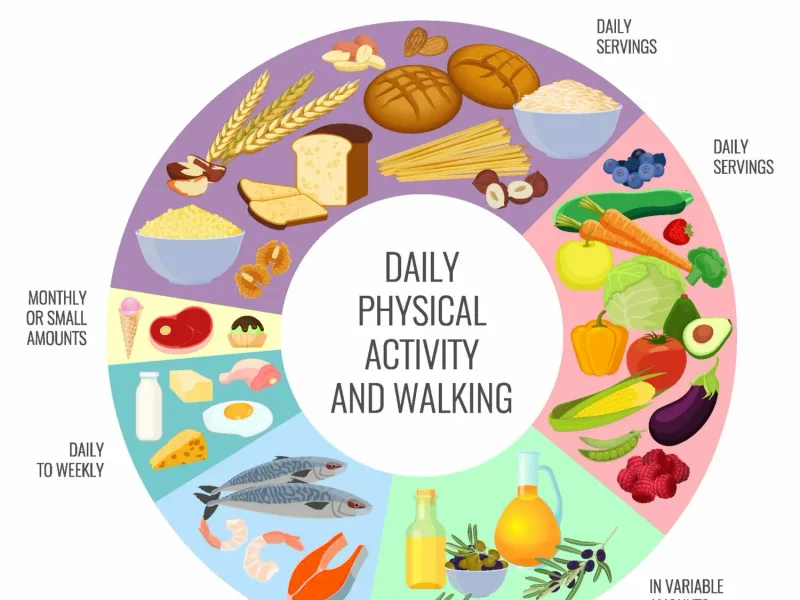
However, it's crucial to be mindful of portion sizes and avoid consuming them on an empty stomach, especially if you have underlying wellness concerns or are in a region where specific concerns like dengue are prevalent. Remember, a balanced approach to diet is always the most effective way to achieve and maintain good wellness.
Key Takeaways
- Lychees are rich in Vitamin C, supporting robust immune function and skin wellness.
- The fiber content aids digestion and promotes regular bowel movements.
- Antioxidants like epicatechin and rutin benefit combat cellular damage from free radicals.
- Potassium in lychees contributes to maintaining healthy pressure levels.
- Consume lychees in moderation, preferably with meals, to avoid potential side effects like hypoglycemia.
Always consult a qualified physician before making any medical decisions.