Red Lentils: A Staple Legume Powering Nutrition
Meena, 45, a homemaker from Jaipur, noticed a persistent feeling of fatigue. Her energy levels were dipping, making daily chores feel overwhelming.
After a routine check-up, her doctor suggested incorporating more iron-rich foods into her diet, specifically highlighting the humble red lentil. This common legume, a staple in many kitchens, often plays a vital role in maintaining well-being and preventing deficiencies.
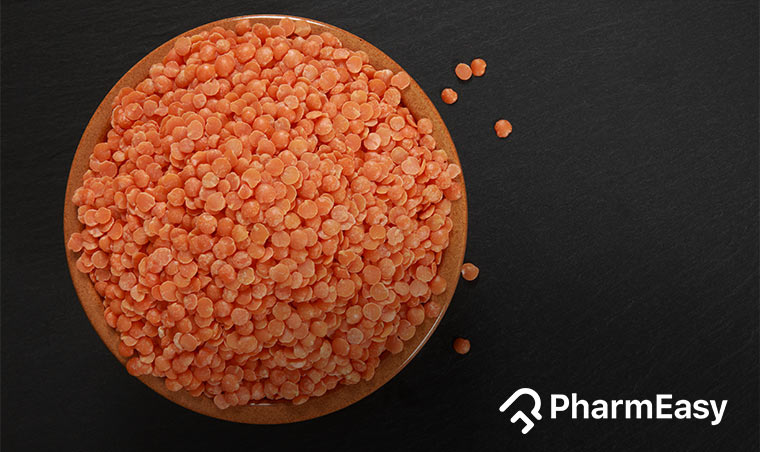
The reality is, for millions across the nation, legumes are not just a source of sustenance but a cornerstone of their nutritional intake. Red lentils, also known as masoor, are particularly popular due to their quick cooking time and versatility.
But why does this happen? Its ease of preparation makes it an ideal choice for busy households and a readily available source of essential nutrients.
Nutritional Profile of Red Lentils
Red lentils are a nutritional powerhouse, packed with essential vitamins, minerals, and macronutrients. 4 grams of fat.
It is an excellent source of dietary fibre, with around 8 grams per 100 grams, crucial for digestive well-being. Think about it this way: consuming just one bowl can significantly contribute to your daily recommended intake of key nutrients.
The mineral content is equally impressive. 3 mg per 100 grams, which is vital for preventing anaemia, a condition affecting a significant portion of the population. The International Institute for Population Sciences (IIPS) has highlighted iron deficiency as a major public well-being concern.
It sounds simple. It rarely is.
Folate, also known as Vitamin B9, is abundant in red lentils, essential for cell growth and DNA formation. Additionally, it contains potassium, phosphorus, and magnesium, all contributing to overall bodily functions.
Practically speaking, understanding these nutritional components helps us appreciate why red lentils are more than just comfort food; they're functional food. They support energy metabolism and contribute to muscle well-being.
The protein content, while not as high as some animal sources, is substantial for a plant-based food and is crucial for vegetarians and vegans. Over 101 million individuals have diabetes (ICMR, 2023), and red lentils’ low glycemic index makes them a beneficial choice for managing blood sugar levels.
Well-being Benefits of Red Lentils
The benefits of incorporating red lentils into your diet are extensive and well-documented. Their high fibre content aids in promoting a healthy digestive system.
They can help prevent constipation and support the growth of beneficial gut bacteria. In many cases, regular consumption of fibre-rich foods like red lentils can reduce the risk of developing gastrointestinal issues.
Most people overlook this completely.
Heart Well-being
Red lentils are a champion for cardiovascular well-being. The fibre, particularly soluble fibre, helps in reducing LDL (bad) cholesterol levels. Studies published in The Lancet have shown that increased consumption of pulses can significantly lower the possibility of heart disease.
The potassium content also helps in managing blood pressure by counteracting the effects of sodium. This makes them a heart-friendly food, especially for individuals at likelihood of hypertension or high cholesterol.
Diabetes Management
For individuals managing diabetes, red lentils are an excellent dietary choice. Their low glycemic index means they release glucose slowly into the bloodstream, preventing sharp spikes and crashes in blood sugar levels.
The fibre content further slows down sugar absorption. The International Diabetes Federation (IDF) recommends incorporating legumes into the diet for better glycaemic control.
Weight Management
The combination of high protein and high fibre in red lentils promotes satiety, helping you feel fuller for longer. This can be instrumental in controlling appetite and reducing overall calorie intake, thereby supporting weight management goals.
Recovery is rarely linear.
A study by the National Institute of Nutrition (NIN) indicated that increased legume consumption is associated with better weight outcomes in adults.
Iron Absorption and Anaemia Prevention
Anaemia, particularly iron-deficiency anaemia, is prevalent in the nation, affecting women and children disproportionately. Red lentils are a good source of non-heme iron. While plant-based iron is not absorbed as efficiently as heme iron from animal sources, consuming it with Vitamin C-rich foods (like lemon juice or tomatoes) can significantly enhance absorption.
What should you actually do? Add a squeeze of lemon to your dal for maximum benefit!
Antioxidant Properties
Lentils contain polyphenols, which are plant compounds with antioxidant properties. These compounds benefit protect your body against oxidative stress and may play a role in reducing the chance of chronic diseases like cancer and heart disease. The World Health Organization (WHO) emphasizes the importance of antioxidant-rich foods in a balanced diet.
Cultural Significance and Culinary Uses in the Nation
Red lentils hold a special place in culinary traditions. They are a typical sight during meals, often prepared in various regional styles. During festivals, while diets might become richer, the balanced nutrition of dal remains a constant.
Think about the monsoon season; a warm bowl of dal is comfort and nourishment combined. Their quick cooking time makes them perfect for everyday meals, unlike some other dals that require soaking.
From the simple 'dal tadka' garnished with ghee and spices to being incorporated into complex dishes like sambar or khichdi, their adaptability is remarkable. They can be mashed into a thick consistency or kept soupy, depending on the regional preference.
Most people overlook this completely.
The preparation often involves tempering (tadka) with spices like cumin seeds, mustard seeds, asafoetida (hing), and dried red chilies in ghee or oil, adding a flavourful dimension. This simple yet flavourful preparation is a testament to their importance in cuisine.
Incorporating Red Lentils into Your Diet
Adding red lentils to your meals is straightforward and delicious. Here are some ideas:
- Simple Dal Tadka: The classic preparation. Boil red lentils until soft, then temper with spices in ghee.
- Dal Soup: Prepare a thinner version, perhaps with added vegetables like carrots or spinach, for a light meal.
- Khichdi: A one-pot meal of rice and dal, often considered comfort food and easily digestible.
- Soups and Stews: Use them as a base for vegetable soups or hearty stews.
- Salads: Cooked and cooled red lentils can be added to salads for a protein boost.
Practically speaking, starting your day with a bowl of lightly spiced red lentils with your roti or rice can provide sustained energy. For those looking to increase their protein levels, adding them to various dishes is a simple strategy. The ease of cooking means they can be prepared even on busy weekdays.
Potential Considerations
While red lentils are highly beneficial, some individuals might experience digestive discomfort, especially if they are not accustomed to a high-fibre diet. Starting with smaller portions and gradually increasing intake can assist the digestive system adapt. In rare cases, allergies to legumes can occur, though this is uncommon with red lentils.
The reality is, like any food, moderation is key. For individuals with specific medical conditions, such as kidney issues where protein or potassium levels need to be managed, consulting a healthcare professional is advisable. It’s always best to tailor dietary choices to individual well-being needs.
The numbers don't lie.
Key Takeaways
- Red lentils are rich in protein, fibre, iron, and folate, offering considerable nutritional benefits.
- They support heart well-being by lowering cholesterol and managing blood pressure.
- The low glycemic index makes them suitable for diabetes management.
- Their fibre and protein content aids in weight management and promotes satiety.
- Red lentils are crucial for preventing iron-deficiency anaemia, prevalent in the nation.
Always consult a qualified physician before making any medical decisions.