Green Gram: A Nutritional Powerhouse in Indian Cuisine
Meena, 45, a homemaker from Jaipur, noticed her energy levels dipping significantly after lunch each day. She often felt sluggish and experienced bloating, especially after meals rich in complex carbohydrates.
Her physician suggested incorporating more easily digestible sustenance sources into her diet. Remembering her grandmother's advice during monsoon season to favour lighter dals, Meena decided to try green gram more frequently.
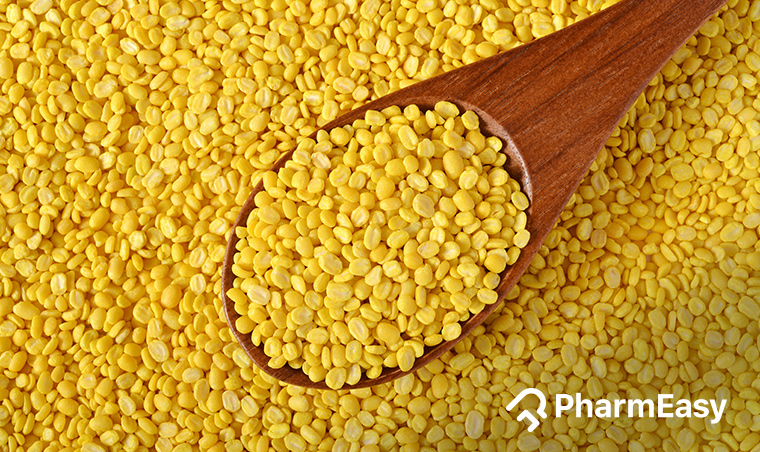
Green gram, also known as green gram, is a staple in kitchens across India, revered for its versatility and wellness benefits. This humble lentil forms the backbone of countless dishes, from comforting dals and hearty khichdis to refreshing sprouts and delectable sweets.
Its popularity isn't just cultural; it's deeply rooted in its impressive nutritional profile. Worth knowing: this legume is considered one of the easiest dals to digest, making it a go-to choice for various dietary needs.
It sounds simple. It rarely is.
Nutritional Profile of Green Gram
5 grams of fiber. It's also a good source of essential vitamins and minerals, including folate, vitamin C, vitamin K, iron, potassium, magnesium, and manganese. The sustenance content is particularly noteworthy, offering a significant boost for vegetarians and vegans.
Have you ever wondered why? This plant-based sustenance is crucial for muscle repair, immune function, and overall bodily processes.
Macronutrient Breakdown
The balanced macronutrient profile makes green gram an excellent food choice. Its relatively low glycemic index means it causes a slower rise in glucose levels compared to other grains and legumes. This is particularly beneficial for individuals managing diabetes. In many cases, incorporating green gram into meals can help improve glucose control.
Micronutrient Significance
The rich array of micronutrients plays a vital role in maintaining good well-being. Folate, for instance, is essential for cell growth and DNA formation, making it critical during pregnancy. Iron is vital for preventing anemia, a common concern in India, where over 50% of women of reproductive age are anemic according to the National Family Health Survey (NFHS-5).
The potassium content helps regulate pressure, while magnesium contributes to bone strength and muscle function. Vitamin K aids in clotting and bone metabolism.
Wellness Benefits of Green Gram
The benefits of green gram extend far beyond basic nutrition. Its easy digestibility and nutrient density contribute to many kinds of positive wellness outcomes.
Heart Wellness
Consuming green gram regularly can significantly benefit cardiovascular wellness. The fiber content helps lower LDL (bad) cholesterol levels, while the potassium aids in managing pressure.
Studies published in journals like The Lancet have highlighted the role of legumes in reducing the risk of heart disease. The antioxidants present in green gram also combat oxidative stress, a known contributor to heart problems.
That alone changes everything.
Weight Management
For those aiming to manage their weight, green gram is an excellent ally. Its high fiber and sustenance content promote satiety, helping you feel fuller for longer and reducing overall calorie intake.
This makes it a smart addition to weight-loss diets. What most people miss: the feeling of fullness from green gram can curb unhealthy snacking habits effectively.
Diabetes Management
Green gram's low glycemic index and high fiber content make it a diabetic-friendly food. It helps prevent sharp spikes in blood glucose levels after meals.
Research supported by institutions like the Indian Council of Medical Research (ICMR) often points to the benefits of whole grains and legumes in diabetes management. Over 101 million people in India currently live with diabetes (ICMR, 2023), making dietary choices like incorporating green gram increasingly important.
Digestive Wellness
As mentioned, green gram is exceptionally easy to digest. This makes it suitable for people with sensitive stomachs, recovering from illness, or the elderly. The fiber acts as a prebiotic, feeding beneficial gut bacteria and promoting a healthy digestive system. This can aid alleviate issues like constipation and bloating.
Antioxidant Properties
Green gram contains various antioxidants, including flavonoids and phenolic acids. These compounds enable neutralize harmful free radicals in the body, reducing cellular damage and potentially lowering the possibility of chronic diseases like cancer and inflammatory conditions.
Most people overlook this completely.
The presence of these antioxidants is a key reason why it's often recommended in traditional Indian medicine systems.
Skin Wellness
The vitamins and minerals in green gram contribute to healthy skin. Vitamin C promotes collagen production, essential for skin elasticity, while antioxidants fight premature aging. Traditionally, green gram flour has been used as a gentle cleanser and exfoliator. Does this sound familiar? Many Indian households still use this natural remedy.
Culinary Uses of Green Gram
The versatility of green gram in Indian cuisine is remarkable. Its mild flavour and quick cooking time make it a favourite across various regions.
Simple Dal Tadka
Perhaps the most typical preparation, dal tadka involves boiling green gram until soft and then tempering it with spices like cumin, mustard seeds, turmeric, asafoetida (hing), and dried red chillies fried in ghee or oil. This simple yet flavourful dish is a daily staple.
Khichdi
A comforting one-pot meal, khichdi is made by cooking green gram with rice. It's often recommended for those feeling unwell due to its ease of digestion and nutrient content. Variations exist across India, with some adding vegetables for added nutrition.
Sprouts
Sprouted green gram is a nutritional powerhouse, with germination increasing the bioavailability of vitamins and minerals. Sprouted green gram is often eaten raw in salads, stir-fries, or lightly cooked chaats. This is especially popular during warmer months.
It sounds simple. It rarely is.
Sweets and Snacks
Green gram is also used to make delectable sweets like 'halwa' and 'ladoos', particularly during festivals. Its binding properties and subtle sweetness make it ideal for these preparations. Savoury snacks like 'dhokla' (a steamed cake) also prominently feature green gram.
Beyond Traditional Dishes
Experimenting with green gram can lead to exciting new dishes. Consider adding it to soups for a sustenance boost, blending it into smoothies (after cooking and cooling), or even using it as a base for vegan pancakes. The possibilities are vast, limited only by culinary imagination.
Potential Side Effects and Precautions
While green gram is generally safe and beneficial for most people, some precautions should be considered.
Digestive Issues for Some
Although considered easily digestible, some individuals might experience gas or bloating, especially if they are not accustomed to consuming legumes regularly. Starting with small portions and gradually increasing intake can benefit the digestive system adapt.
This is particularly true if one traditionally eats foods that are heavier during festivals like Diwali.
Interaction with Medications
Green gram is rich in Vitamin K, which plays a role in clotting. Individuals taking thinning medications like Warfarin (Coumadin) should consult their doctor. marked and consistent changes in Vitamin K intake can potentially interfere with the medication's effectiveness.
Most people overlook this completely.
Have you ever wondered why? It's crucial to maintain a stable level of Vitamin K.
Allergies
While rare, allergies to green gram can occur. Symptoms might include skin rashes, itching, digestive upset, or, in severe cases, anaphylaxis. If you suspect an allergy, discontinue use and seek medical advice immediately.
Kidney Stones
Green gram contains oxalates. Individuals prone to developing calcium oxalate kidney stones may need to moderate their intake. Consulting a healthcare provider or a registered dietitian is advisable for personalized dietary recommendations.
The Verdict on Green Gram
Green gram stands out as an exceptionally nutritious and versatile food. Its benefits for heart wellness, weight management, diabetes control, and digestion are well-documented. The World Health Organization (WHO) consistently recommends increasing legume consumption as part of a wholesome diet.
4 billion people in India, ensuring access to affordable and nutritious food like green gram is paramount for public well-being. Its place in Indian cuisine is not just traditional but scientifically validated.
It sounds simple. It rarely is.
From Meena's experience, incorporating this simple lentil into her daily meals helped alleviate her fatigue and digestive discomfort, demonstrating its practical impact on well-being. The ease with which it can be prepared and integrated into various meals makes it an accessible choice for many.
Key Takeaways
- Green gram is rich in sustenance, fiber, vitamins, and minerals.
- It supports heart wellness by lowering cholesterol and pressure.
- Its low glycemic index makes it beneficial for diabetes management.
- Green gram is highly digestible and aids digestive wellness.
- Potential side effects are minimal and mainly relate to digestive adaptation or medication interactions.
Always consult a qualified physician before making any medical decisions.