Moringa for Body Weight Management: Does India's 'Drumstick Tree' Offer a Solution?
Meena, 45, a homemaker from Jaipur, noticed her body mass increasing after the festive season. While enjoying the rich sweets and savouries that accompany Diwali, she also gained a few unwelcome kilograms. Does this sound familiar? Many households in India have a Moringa tree, or 'drumstick tree' as it's commonly known, in their backyard.
Its long, slender pods are a staple in South Indian cuisine, used in sambar and other dishes. But beyond its culinary uses, have you ever wondered if Moringa, also known as 'Moringa oleifera', could be a secret weapon for managing one's physical size? This versatile plant, revered in Ayurveda for centuries, is often touted as a superfood. Let's explore the science and traditional wisdom behind this plant's potential role in aiding a reduction in body mass.
Understanding Moringa's Nutritional Profile
The reality is, Moringa is a powerhouse of nutrients. It's packed with vitamins (A, C, E, K, and several B vitamins), minerals (calcium, potassium, iron, magnesium), and essential amino acids. This dense nutritional profile itself can contribute to overall well-being, which is a crucial foundation for any journey towards achieving a healthier physique.
When your body receives adequate nutrition, it functions more efficiently, potentially aiding metabolic processes. The pods, seeds, and roots of the Moringa tree are all used for their wellness benefits. The foliage, in particular, is exceptionally rich in antioxidants, compounds that help combat oxidative stress in the body.
That's the part worth remembering.
Moringa and Body Weight: What Does the Science Say?
The question remains: does Moringa directly contribute to shedding pounds? Scientific research, while promising, is still evolving. Several studies suggest that Moringa may play a role in managing body size through various mechanisms. One key area is its potential to influence fat metabolism. Compounds found in Moringa, such as isothiocyanates, are believed to activate brown adipose tissue (BAT).
Think about it this way: BAT is a type of fat that burns calories to generate heat, rather than storing them. Increasing BAT activity could, theoretically, aid the body burn more calories. On top of that,, some research indicates that Moringa may support reduce fat accumulation in the body. A study published in the journal 'Phytotherapy Research' found that Moringa extract significantly reduced body mass and improved body composition in rats fed a high-fat diet. While these are animal studies, they provide a foundation for further human research.
Another angle is Moringa's potential impact on glucose levels. High glucose can lead to insulin resistance, a condition often associated with weight gain and type 2 diabetes. Over 101 million people in India have diabetes (ICMR, 2023), making this a significant public health concern.
Moringa foliage contains compounds like chlorogenic acid, which have been shown to enable regulate glucose levels. By stabilising glucose, Moringa might assist reduce cravings and prevent energy crashes that often lead to unhealthy snacking. The World Health Organization (WHO) also recognises Moringa's nutritional value, particularly in combating malnutrition.
That alone changes everything.
Chlorogenic Acid and Fat Metabolism
Chlorogenic acid, abundant in Moringa, is a well-researched compound. It is known to affect glucose metabolism in the liver. It can also inhibit glucose-6-phosphatase, an enzyme involved in glucose production.
This dual action helps in maintaining stable glucose levels. Worth knowing: this compound is also found in coffee, contributing to coffee's reputed wellness benefits.
Isothiocyanates and Brown Adipose Tissue (BAT)
The isothiocyanates present in Moringa are potent compounds. They are thought to stimulate the uncoupling of oxidative phosphorylation in mitochondria. This process essentially means that the energy produced from burning fuel (calories) is released as heat rather than being stored as ATP (cellular energy).
This mechanism could lead to increased energy expenditure and fat burning. Have you ever wondered why some people seem to eat more yet maintain a slimmer physique? Variations in BAT activity could be a contributing factor.
Moringa's Role in Reducing Inflammation
Chronic inflammation is increasingly linked to obesity and metabolic disorders. Moringa possesses potent anti-inflammatory properties, thanks to its rich antioxidant content. Antioxidants like flavonoids and phenolic acids enable neutralise harmful free radicals, reducing cellular damage and inflammation.
This is where most patients struggle.
A healthier inflammatory response can support overall metabolic function, which is beneficial for managing body size. The Lancet has published numerous studies highlighting the detrimental effects of chronic inflammation on cardiovascular well-being and metabolic syndrome.
Incorporating Moringa into Your Diet the Indian Way
The beauty of Moringa lies in its versatility and deep roots in culinary traditions of India. Forget complicated supplements for a moment. You can easily incorporate this 'miracle tree' into your daily meals. In South India, the tender pods are a must-have ingredient for flavourful sambars and avial.
The foliage, often dismissed as 'weeds' in other parts of the world, is a delicacy here. It can be sautéed with minimal spices – a simple 'Moringa Ila poriyal' is delicious and wholesome. Imagine sitting on the floor, enjoying a traditional thali with a side of freshly prepared Moringa foliage. The vibrant green is not just visually appealing but also packed with goodness.
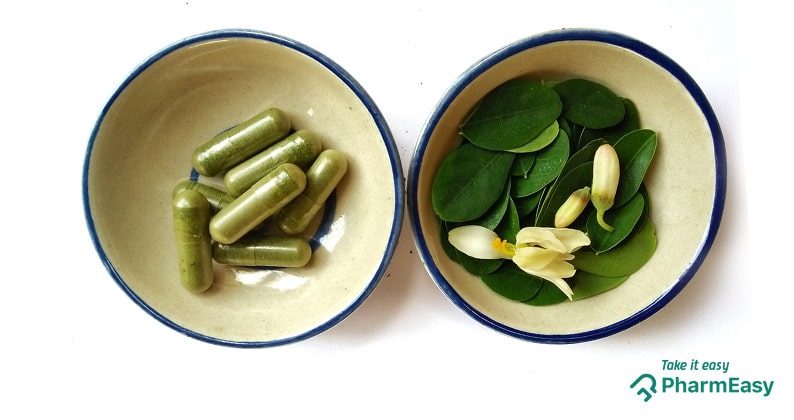
Moringa Leaf Powder
For those who don't have access to fresh foliage or pods, Moringa powder is an excellent alternative. Made from dried and ground Moringa foliage, this powder retains most of its nutritional value.
You can easily add a teaspoon or two to your morning smoothie, yogurt, dal, or even sprinkle it on your roti dough before cooking. A study by the Indian Council of Medical Research (ICMR) has highlighted the bioavailability of nutrients from dried Moringa foliage powder when incorporated into common Indian foods.
Here's where it gets interesting.
Moringa Tea
Moringa tea is another popular and easy way to consume its benefits. Steep dried Moringa foliage or powder in hot water for a few minutes.
You can add a squeeze of lemon or a dash of honey (though for body weight management, minimising added sugars is key). This warm beverage can be a comforting and healthy alternative to sugary drinks, especially during cooler months.
Potential Side Effects and Precautions
While Moringa is generally safe for consumption, it's essential to be aware of potential side effects, especially when consumed in large quantities or as concentrated supplements. The roots and bark of the Moringa tree contain certain compounds that can cause uterine contractions, so pregnant women should avoid consuming them. For most people, moderate consumption of foliage and pods is unlikely to cause issues.
However, individuals on medication, particularly for diabetes or blood pressure, should consult their doctor. Moringa can potentially lower glucose and pressure further, so monitoring is crucial. The International Diabetes Federation (IDF) emphasises the importance of consulting healthcare providers when using complementary therapies alongside conventional diabetes treatment.
Moringa vs. Other Body Weight Management Aids
The market is flooded with products for managing body mass, many making extravagant claims. Moringa, however, offers a different approach. It's not a magic pill but a nutrient-dense food that supports overall well-being.
This is where most those affected struggle.
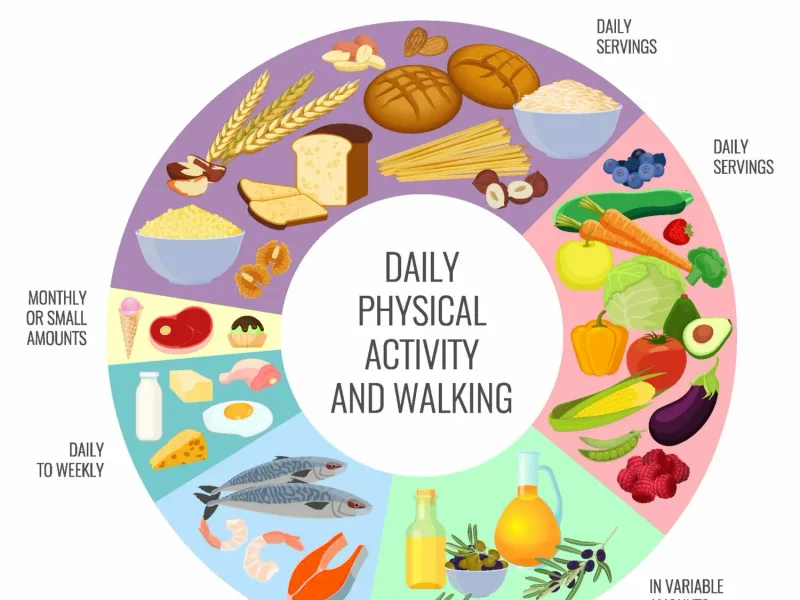
Unlike many artificial supplements, it provides genuine vitamins, minerals, and antioxidants. While specific studies on Moringa and human body mass reduction are still limited, its known benefits for glucose control, inflammation reduction, and nutrient density make it a valuable addition to a healthy lifestyle. The key is to combine its consumption with a balanced diet and regular physical activity – principles that are universally accepted for effective and sustainable body mass management.
Key Takeaways
- Moringa is a nutrient-dense plant with vitamins, minerals, and antioxidants.
- Potential mechanisms for body mass reduction include influencing fat metabolism and potentially increasing BAT activity, supported by compounds like isothiocyanates.
- Moringa may assist regulate glucose levels due to compounds like chlorogenic acid, which is beneficial for individuals managing diabetes (over 101 million in India).
- Its anti-inflammatory properties can contribute to better metabolic well-being.
- Traditional culinary uses in India include sambar, poriyal, and easily accessible powders and teas.
Always consult a qualified physician before making any medical decisions.