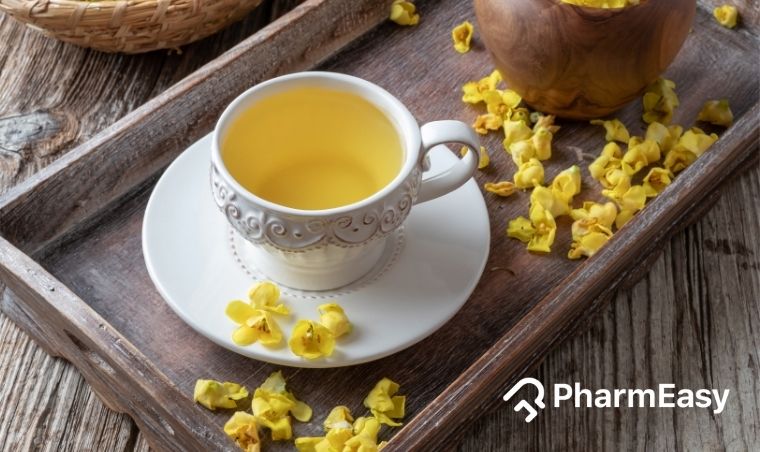
Mullein Tea: Nature's Soothing Elixir for Modern Ailments
Meena, 45, a homemaker from Jaipur, noticed a persistent cough that clung to her lungs like the damp monsoon air. Despite trying various home remedies, relief remained elusive. Her neighbour, a keen gardener, suggested Mullein tea.
Skeptical but desperate, Meena brewed a cup. The warmth was comforting, and within days, she felt a significant easing of her breathing difficulties. This isn't an isolated story; across the nation, traditional herbal remedies are finding renewed appreciation, and Mullein tea is emerging as a potent ally for lung wellness.
Mullein (Verbascum thapsus) is a tall, stately plant with soft, fuzzy leaves, often found growing wild in meadows, roadsides, and even the Himalayas. For centuries, its leaves and flowers have been steeped into a tea, celebrated for their medicinal qualities. What most people miss: its historical significance spans continents, from ancient Greece and Rome to Ayurvedic practices in the subcontinent, where it’s valued for its ability to soothe inflamed tissues and clear mucus.
Unveiling the Wellness Advantages of Mullein Tea
The therapeutic potential of Mullein tea stems from its rich composition of bioactive compounds, including saponins, flavonoids, and phenolic acids. These constituents work synergistically to offer a range of wellness advantages.
Lung Relief: A Breath of Fresh Air
Mullein is perhaps most renowned for its efficacy in supporting lung function. Its expectorant qualities help loosen phlegm in the airways, making it easier to expel. Simultaneously, its anti-inflammatory action calms irritated mucous membranes, reducing swelling and discomfort.
Recovery is rarely linear.
This dual action makes it incredibly useful for conditions like bronchitis, asthma, and the common cold. Studies suggest that saponins in mullein stimulate the lungs to expel mucus more effectively. Think about it this way: it helps your lungs clear out the gunk, allowing you to breathe more freely.
The reality is, breathing ailments are a major concern in the subcontinent. Air pollution, particularly in urban centres, exacerbates these issues. According to the Central Pollution Control Board (CPCB), air quality in many cities frequently exceeds safe limits.
In such an environment, natural aids that support lung function are invaluable. Mullein tea can offer a gentle, effective way to manage symptoms like persistent coughs and chest congestion, often aggravated during the changing seasons or festival diets that can sometimes involve more smoke and dust.
Anti-inflammatory Powerhouse
Inflammation is at the root of many chronic diseases. Mullein tea contains compounds like verbascosaponin, which exhibit meaningful anti-inflammatory effects. This can aid reduce swelling and pain associated with various conditions, from arthritis to inflammatory bowel disease.
The numbers don't lie.
While more research is needed, preliminary findings are promising. A study published in the *Journal of Ethnopharmacology* highlighted the anti-inflammatory potential of mullein extracts.
Soothing Sleep and Nervous System Support
Beyond its lung-related advantages, Mullein tea is also recognized for its mildly sedative and nervine qualities. Traditionally, it has been used to calm the nervous system, reduce anxiety, and promote restful sleep.
If you find yourself tossing and turning, a warm cup of Mullein tea before bed might offer a natural solution. It’s a gentle way to unwind after a long day, especially after the stresses of daily life, which can be compounded by the need to sit on the floor for extended periods during family gatherings or festivals.
Antioxidant Capabilities
The flavonoids present in Mullein tea act as potent antioxidants. Antioxidants combat harmful free radicals in the body, which are unstable molecules linked to aging and various chronic illnesses, including certain cancers. By neutralising these free radicals, Mullein tea contributes to overall cellular wellness and protection.
Other Potential Advantages
Emerging research suggests Mullein tea may also possess antiviral, antibacterial, and wound-healing qualities. While these uses are less established than its lung-related advantages, they point to the plant's broad medicinal spectrum.
Recovery is rarely linear.
Anecdotal evidence supports its use for minor skin irritations when applied topically (as a cooled tea or infusion), though caution is always advised.
How to Prepare and Use Mullein Tea
Preparing Mullein tea is straightforward, making it accessible for daily consumption.
Brewing the Perfect Cup
To make Mullein tea, use dried mullein leaves or flowers. A widespread ratio is 1-2 teaspoons of dried herb per cup (240 ml) of boiling water. Pour the hot water over the herb in a mug or teapot, cover it, and let it steep for 10-15 minutes.
It's crucial to strain the tea thoroughly using a fine-mesh sieve or cheesecloth, as the plant's tiny hairs can be irritating if ingested. This step is particularly important for the flowers and upper leaves.
Dosage and Frequency
For therapeutic advantages, adults can typically drink 1-3 cups of Mullein tea per day. However, starting with one cup daily is recommended to assess tolerance. If using it for acute lung issues, you might increase the frequency for a short period. Always listen to your body. Overconsumption is generally not advised without professional guidance.
Potential Side Effects and Precautions
While Mullein tea is generally considered safe for most adults, some precautions are necessary.
Skin Irritation
The fine hairs on the mullein plant can cause skin irritation or itching in sensitive individuals. This is why thorough straining of the tea is paramount. Ensure no plant particles remain in the final brew. If you experience any itching or discomfort after drinking the tea, discontinue use immediately.
That alone changes everything.
Interactions and Contraindications
There is limited scientific data on interactions between Mullein tea and conventional medications. However, if you are pregnant, breastfeeding, or have a known medical condition (such as heart issues or kidney problems), it is essential to consult your doctor before incorporating Mullein tea into your routine.
The reality is, while natural, herbs can still have potent effects.
Allergic Reactions
As with any herbal remedy, allergic reactions are possible, though rare. If you have a known allergy to plants in the Plantaginaceae family (which includes mullein), avoid this tea.
Mullein Tea in the Indian Context
In the subcontinent, where traditional medicine and herbal remedies are deeply ingrained in the culture, Mullein tea can be a valuable addition. Its advantages align well with widespread wellness concerns, particularly those related to the respiratory system, which are frequently aggravated by environmental factors and dietary habits.
Consider the impact of seasonal changes. The transition from dry winters to humid monsoons can trigger breathing issues for many. Mullein tea offers a natural way to support the lungs during these vulnerable periods.
Its use can complement Ayurvedic principles of balancing Vata and Kapha doshas, which are often implicated in breathing complaints. Practicing mindful consumption, perhaps during a quiet morning ritual before the day’s bustle begins, can enhance its calming effects. The Institute of Himalayan Bioresource Technology (IHBT) in Palampur has researched various Himalayan flora for their medicinal qualities, underscoring the scientific interest in plants like Mullein found in the nation's diverse ecosystems.
That alone changes everything.
On top of that,, the World Health Organization (WHO) acknowledges the importance of traditional medicine in primary healthcare, and herbal teas like Mullein fit seamlessly into this framework. Its accessibility and ease of preparation make it a practical choice for many households.
The International Diabetes Federation (IDF) notes that the nation has the second-highest number of people with diabetes globally, over 101 million (ICMR, 2023), highlighting the growing need for holistic approaches to wellness that include natural remedies for associated conditions like inflammation.
Key Takeaways
- Mullein tea is highly valued for its expectorant and anti-inflammatory qualities, offering major relief for breathing ailments like coughs and bronchitis.
- It contains beneficial compounds such as saponins and flavonoids, contributing to its therapeutic effects and antioxidant capabilities.
- The tea may also promote relaxation and improve sleep quality due to its mild sedative properties.
- Proper preparation, including thorough straining to remove irritating plant hairs, is essential to prevent discomfort.
- While generally safe, individuals with specific wellness conditions, pregnant or breastfeeding women, should consult a healthcare provider before use.
Always consult a qualified physician before making any medical decisions.