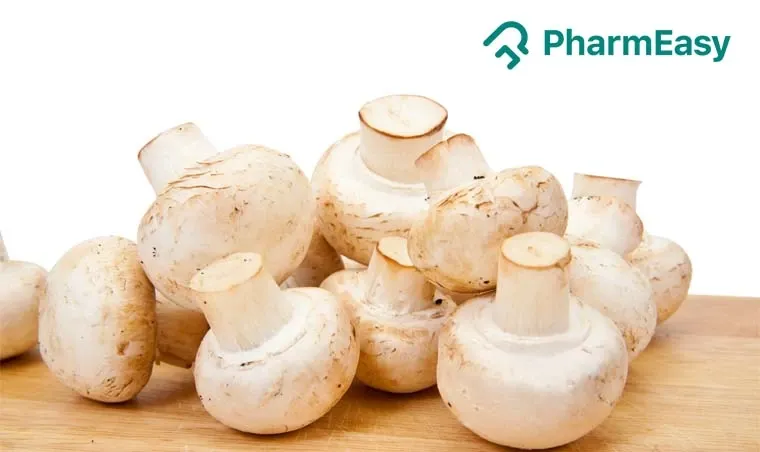
Edible Fungi (Khumbi): Uses, Benefits, Side Effects
Meena, 45, a homemaker from Jaipur, noticed her energy levels dipping significantly after her afternoon meals. She often felt sluggish and found it hard to keep up with her household chores. Her family doctor, Dr. Sharma, suggested incorporating more nutrient-dense foods into her diet, and specifically recommended adding edible fungi, or khumbi as they are known in many parts of India, to her regular meals. Meena was initially hesitant, as she primarily associated these fungi with continental dishes, but Dr. Sharma explained their versatility and profound nutritional benefits, particularly relevant in the Indian culinary landscape.
Edible fungi, the fleshy, spore-bearing fruiting bodies of fungi, have been a part of the human diet for centuries. Beyond their delightful umami flavour and unique texture, these fascinating organisms pack a powerful nutritional punch. In India, while traditionally consumed in certain regions and preparations, their popularity as a regular dietary staple is growing, thanks to increasing awareness of their wellness-promoting properties.
Let's explore the multifaceted world of these fungi with insights from Dr. Smita Barode.
Nutritional Powerhouse: What Makes Edible Fungi So Beneficial?
What most people miss is the sheer density of nutrients found in even a small serving of these fungi. They are a good source of B vitamins (riboflavin, niacin, pantothenic acid), which are crucial for energy production and maintaining healthy skin and nerves. On top of that,, edible fungi provide essential minerals like selenium, potassium, and copper.
Selenium, in particular, acts as a potent antioxidant, protecting cells from damage. 3 grams of carbohydrates, and less than a gram of fat, making them an excellent low-calorie, nutrient-rich food option.
For individuals managing chronic conditions, understanding the specific advantages is key. For instance, these fungi are one of the few non-animal sources of Vitamin D. When exposed to UV light, they can synthesize this vitamin, which is vital for bone strength and a robust defence system.
Most people overlook this completely.
Investigations suggest that UV-treated fungi can provide a significant portion of the daily recommended intake of Vitamin D. Have you ever wondered why bone strength is so crucial, especially as we age? Vitamin D plays a starring role.
Key Nutrients in Edible Fungi:
- Vitamins: B2 (Riboflavin), B3 (Niacin), B5 (Pantothenic Acid), Vitamin D (especially when UV-exposed)
- Minerals: Selenium, Potassium, Copper, Phosphorus, Zinc
- Antioxidants: Ergothioneine, Glutathione
- Fibre: Beta-glucans, important for gut wellness and cholesterol management
Wellness Benefits of Consuming Edible Fungi (Khumbi)
The advantages of incorporating these fungi into your diet are extensive and backed by scientific research. Their unique composition contributes to overall well-being and can play a role in preventing and managing various health issues. Practically speaking, adding them to everyday meals is an easy way to boost your nutritional intake.
1. Defence System Support
These fungi, particularly varieties like Shiitake and Maitake, contain beta-glucans. These complex carbohydrates are known immunomodulators, meaning they can help regulate and strengthen the body's defence mechanisms. Research published in journals like The Lancet has highlighted the potential of beta-glucans in enhancing the body's defence mechanisms against pathogens. A study involving participants who consumed a specific fungal extract showed improved defence cell activity. The defence system is our first line of protection; keeping it robust is paramount.
2. Cardiovascular Wellness
The potassium content in these fungi is beneficial for cardiovascular wellness. Potassium helps to regulate blood pressure by counteracting the effects of sodium and relaxing blood vessel walls. On top of that,, the fibre content, especially beta-glucans, can assist lower LDL (bad) cholesterol levels.
The International Diabetes Federation (IDF) also notes that these fungi can be a beneficial addition to the diet of individuals with diabetes, potentially helping to manage glucose levels due to their low glycemic index and fibre content. Over 32 million Indians are estimated to be living with heart disease (WHO), making heart-healthy foods increasingly crucial.
This is where most patients struggle.
3. Antioxidant Properties
These fungi are rich in antioxidants like ergothioneine and glutathione. These compounds combat oxidative stress in the body, which is linked to chronic diseases and ageing. Ergothioneine, a unique amino acid found abundantly in these fungi, is particularly noted for its protective effects against cellular damage.
This is especially relevant when considering the impact of environmental pollution and modern lifestyles on our physical state. So what does that mean for you? It means your body is better equipped to fight off damage from free radicals.
4. Potential Anti-Cancer Properties
While not a cure, certain compounds in these fungi have shown promise in preliminary research for their anti-cancer effects. Investigations, including those from institutions like the Indian Council of Medical Research (ICMR), are exploring how specific fungal extracts might inhibit tumour growth and induce apoptosis (programmed cell death) in cancer cells.
For example, research on white button fungi and their potential to modulate hormone metabolism has been a subject of interest in breast cancer research. It's crucial to remember that this is an area of ongoing scientific investigation.
That alone changes everything.
5. Gut Wellness
The prebiotic fibre found in these fungi supports a healthy gut microbiome. These fibres feed beneficial gut bacteria, promoting digestion and nutrient absorption.
A healthy gut is increasingly recognized as being linked to overall well-being, including mental wellness. The complex carbohydrates in these fungi can benefit maintain a balanced gut flora, which is essential for preventing digestive issues.
6. Glucose Level Management
Going back to what we discussed, these fungi have a low glycemic index and are rich in fibre, making them an excellent choice for individuals monitoring their glucose levels. Their ability to provide satiety without spiking glucose levels is a considerable advantage.
Over 101 million Indians have diabetes (ICMR, 2023), highlighting the need for diabetes-friendly food options.
Types of Edible Fungi Commonly Found in India
While the world boasts thousands of fungal species, a few are commonly cultivated and consumed in India. Understanding these varieties can support you incorporate them more readily into your cooking. Imagine enjoying a delicious meal after sitting on the floor during a festival gathering – these fungi can be a part of that healthy spread.
- Button Fungi (Agaricus bisporus): These are the most common and widely available fungi in India, often referred to simply as 'khumbi'. They have a mild flavour and a firm texture, making them versatile for curries, sautés, and soups.
- Oyster Fungi (Pleurotus spp.): Known for their delicate flavour and velvety texture, oyster fungi grow in clusters. They are excellent in stir-fries, pasta dishes, and as a meat substitute.
- Shiitake Fungi (Lentinula edodes): These fungi have a rich, smoky flavour and a chewy texture. They are popular in Asian cuisine and are known for their potent medicinal properties.
- Portobello Fungi: These are mature button fungi with a large cap and a deep, meaty flavour. They are great for grilling, stuffing, or as a vegetarian burger patty.
Culinary Uses of Edible Fungi (Khumbi) in Indian Cuisine
Here's the thing: these fungi are incredibly adaptable to Indian cooking styles. Their earthy flavour pairs beautifully with traditional spices and ingredients. Forget the notion that they only belong in Western dishes; think beyond simple stir-fries.
That's the part worth remembering.
- Curries and Gravies: These fungi can be added to traditional Indian curries, providing a hearty texture and absorbing the flavours of the spices. Mushroom masala or matar-mushroom are popular dishes.
- Sabzi: Simple stir-fried fungal preparations with onions, tomatoes, and Indian spices make for a quick and healthy side dish.
- Soups and Broths: Fungal soup is a classic, but fungal-infused broths can add depth to lentil soups (dal) or vegetable stocks.
- Rice Dishes: Fungal pulao or biryani offers a flavourful and nutritious twist on traditional rice preparations.
- Snacks: Fungal tikki or stuffed fungal recipes can be innovative additions to appetizer menus.
Potential Side Effects and Precautions
While generally safe and beneficial for most people, it's essential to be aware of potential side effects and take necessary precautions. What most people miss is the importance of proper identification and preparation.
- Allergies: Some individuals may experience allergic reactions to these fungi, including skin rashes, digestive upset, or respiratory symptoms. If you have known fungal allergies, avoid them.
- Digestive Issues: For some, particularly those unaccustomed to eating these fungi, they can cause gas, bloating, or indigestion due to their chitin content. Starting with small portions can support.
- Toxicity: This is the most critical concern. Only consume fungal varieties that are confidently identified as edible. Wild fungi can be easily mistaken for poisonous varieties, leading to severe poisoning or even death. It is paramount to purchase these fungi from reputable sources or licensed foragers. Never experiment with wild fungi unless you are an expert mycologist. The consequences can be dire.
- Medication Interactions: While rare, these fungi might interact with certain medications, particularly those affecting clotting or defence system function. If you are on medication, especially from a hospital like AIIMS, it's wise to discuss fungal consumption with your doctor.
Worth knowing: These fungi absorb nutrients from their environment, including heavy metals if grown in contaminated soil. Always ensure you are sourcing your fungal varieties from clean, trusted suppliers. The potential for contamination, especially with wild-harvested varieties, cannot be overstated.
When to Consult a Doctor
If you experience any adverse reactions after consuming these fungi, such as severe digestive distress, allergic manifestations, or suspected poisoning, seek immediate medical attention. On top of that,, if you have pre-existing health conditions, are pregnant or breastfeeding, or are considering using these fungi for medicinal purposes, consulting a healthcare professional is highly recommended.
They can provide personalized advice based on your health status.
So what does that mean for you? It means making informed choices about your diet and seeking professional guidance when needed. Remember Meena's journey; a simple dietary change, guided by medical advice, can significantly impact well-being.
Recovery is rarely linear.
Key Takeaways:
- Edible fungi are nutrient-dense, offering vitamins, minerals, and antioxidants.
- They support defence system function, cardiovascular wellness, and gut health.
- Always consume identified edible fungi from reliable sources to avoid poisoning.
- Fungal consumption can be beneficial for glucose level management.
- Consult a doctor if you have allergies, digestive issues, or are on medication.
Always consult a qualified physician before making any medical decisions.