Mustard Oil: A Kitchen Staple and Its Wellness Implications
Meena, 45, a homemaker from Jaipur, noticed her joints aching more during the monsoon season. Her grandmother always swore by massaging her knees with warm mustard oil, a practice common in many households, especially during the damp, cooler months.
This anecdote highlights the deep-rooted connection between this oil and age-old wellness practices. But beyond anecdotal evidence and customs, what does modern science say about this pungent, golden oil?
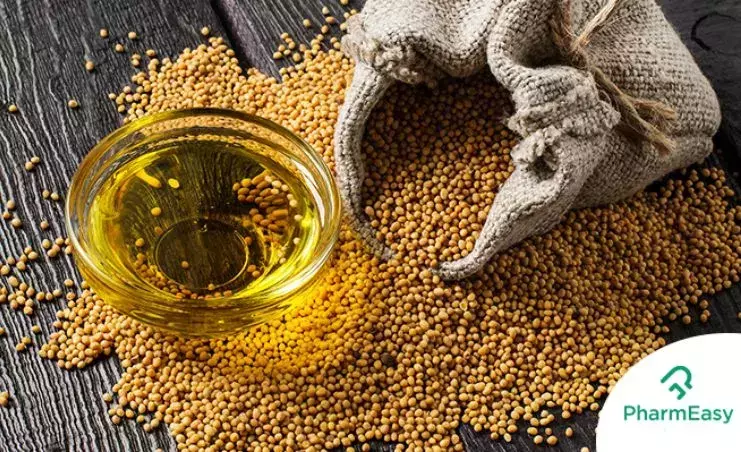
This oil, extracted from the seeds of the mustard plant, has been a culinary cornerstone in many parts of the subcontinent for centuries. Its distinct flavour and high smoke point make it a popular choice for frying, sautéing, and pickling.
The reality is, its usage extends far beyond the kitchen, often finding its way into traditional remedies for everything from skin ailments to respiratory issues.
Nutritional Profile of Mustard Oil
Understanding the composition of this oil is key to appreciating its potential wellness impacts. It's primarily composed of fatty acids, with a significant portion being monounsaturated fatty acids (MUFAs) and polyunsaturated fatty acids (PUFAs). A typical 1 tablespoon (14 grams) serving of mustard oil contains approximately:
Most people overlook this completely.
- Calories: 120
- Total Fat: 14 grams
- Saturated Fat: 1.5 grams
- Monounsaturated Fat: 6 grams
- Polyunsaturated Fat: 3 grams
- Vitamin E: About 10% of the Daily Value (DV)
What truly sets this oil apart are the specific types of fats it contains. It is rich in alpha-linolenic acid (ALA), an omega-3 fatty acid, and oleic acid, an omega-9 MUFA.
The presence of these beneficial fats is often cited when discussing its wellness advantages. However, it also contains erucic acid, a monounsaturated fatty acid that has raised some concerns in the past.
Wellness Benefits of Mustard Oil
The perceived wellness benefits of this oil are numerous, often linked to its unique fatty acid profile and the presence of certain compounds like allyl isothiocyanate (AITC), which gives mustard its characteristic pungency and is also found in the oil.
Cardiovascular Wellness
One of the most discussed benefits relates to heart wellness. Studies suggest that the MUFAs and PUFAs in this oil can help improve cholesterol levels. By reducing LDL (bad) cholesterol and increasing HDL (good) cholesterol, it may contribute to a healthier cardiovascular system.
In many cases, replacing saturated fats with unsaturated fats, as found in this oil, is recommended by wellness organisations like the World Health Organization (WHO) for reducing the risk of heart disease. Research published in journals like The Lancet has explored the positive effects of diets rich in MUFAs on cardiovascular outcomes.
That's the part worth remembering.
The omega-3 fatty acids, particularly ALA, also play a role in reducing inflammation and may support lower blood pressure. Practically speaking, incorporating this oil into a balanced diet could be a flavourful way to support heart function. Have you ever wondered why cooking often favours this oil for its perceived heart benefits?
Anti-inflammatory and Antioxidant Properties
The presence of AITC in this oil is believed to confer anti-inflammatory and antioxidant properties. AITC has been studied for its potential to inhibit inflammatory pathways in the body. On top of that,, the oil contains Vitamin E, a potent antioxidant that helps protect cells from damage caused by free radicals. This dual action might offer a protective effect against chronic diseases.
It’s a powerful combination. These properties are notable. This is quite promising.
Antimicrobial Effects
Historically, this oil has been used topically for its potential antimicrobial properties. Some research indicates that compounds within the oil may inhibit the growth of certain bacteria and fungi. This could explain its traditional use in preserving foods, like pickles, and as a remedy for minor skin infections.
Pain Relief and Muscle Soreness
The practice of massaging joints and muscles with warm this oil, as Meena’s grandmother did, is not without reason. The warming effect of the oil, combined with its potential anti-inflammatory compounds, may assist alleviate muscle soreness and joint pain.
The numbers don't lie.
Rubbing the oil into the skin can optimise local circulation, providing a soothing sensation. This is particularly relevant during colder months when joint stiffness can be more pronounced.
Skin and Hair Wellness
Beyond its internal benefits, this oil is a popular ingredient in traditional beauty rituals. When applied topically, it is believed to moisturise the skin and hair.
Its richness in Vitamin E can contribute to healthier-looking skin by combating dryness and improving elasticity. For hair, it's often massaged into the scalp to potentially strengthen hair follicles and promote growth, although scientific evidence for these specific claims is limited.
Potential Side Effects and Concerns
Despite its benefits, it's crucial to address the potential downsides and controversies surrounding consumption of this oil.
Erucic Acid Content
The primary concern historically has been the high content of erucic acid in this oil. Erucic acid is an omega-9 fatty acid. While it is a MUFA, studies in animal models have suggested that very high intake of erucic acid could be linked to heart issues, specifically myocardial lipidosis (fat accumulation in the heart muscle). Consequently, many Western countries have regulations limiting the amount of erucic acid in edible oils.
In the subcontinent, the FSSAI (Food Safety and Standards Authority of the Subcontinent) allows for specific limits. Many commercially available 'mustard oils' in the subcontinent are actually blends of this oil with other vegetable oils, or they are expeller-pressed and refined to reduce erucic acid levels. It’s important to check labels for clarification.
Skin Irritation
For individuals with sensitive skin, topical application of this oil can sometimes cause irritation or allergic reactions due to its pungent nature and compounds like AITC. Patch testing is always recommended before widespread use.
That alone changes everything.
Digestive Upset
Consuming large quantities of this oil, especially if you are not accustomed to it, might lead to digestive discomfort for some individuals.
Mustard Oil in Subcontinent Cuisine and Culture
This oil is more than just a cooking medium in the subcontinent; it's woven into the fabric of culinary traditions, especially in the eastern and northern states like West Bengal, Bihar, Uttar Pradesh, and Punjab. Its sharp, pungent flavour is indispensable for dishes like fish curries, aloo posto (potatoes with poppy seeds), and various vegetable stir-fries.
The aroma that fills the kitchen when this oil is heated is instantly recognisable and evocative for many people here.
Pickling is another area where this oil reigns supreme. Its strong flavour and preservative qualities make it the ideal medium for popular subcontinent pickles (achar), from mango to lime.
Think about the tangy burst of flavour in a traditional mango pickle during a festive meal—this oil is often the secret ingredient. The practice of sitting on the floor to eat, usual in many households, often involves serving food prepared with this oil, reinforcing its cultural significance.
The International Diabetes Federation (IDF) has highlighted the rising prevalence of diabetes in the subcontinent, with over 101 million people estimated to have diabetes (ICMR, 2023). While not a direct cure or preventive measure, dietary choices play a considerable role in managing this condition.
The type of fats consumed, including those from cooking oils, is a critical factor. The MUFA and PUFA content in this oil could position it as a potentially better choice than oils high in saturated fats when used in moderation as part of a balanced diet.
That's the part worth remembering.
Choosing and Using Mustard Oil
When selecting this oil, look for options labelled 'cold-pressed' or 'kacchi ghani' if you seek the most traditional form, often retaining more nutrients and flavour. However, be mindful of the erucic acid content.
For everyday cooking, especially frying at higher temperatures, refined this oil might be a safer bet due to lower erucic acid levels. What should you actually do when navigating the various types available?
Its smoke point is relatively high (around 250°C or 482°F for refined versions), making it suitable for most cooking methods here. Use it for tempering spices (tadka), stir-frying vegetables, and marinating meats. Remember, its strong flavour can dominate milder dishes, so adjust the quantity according to taste.
The Verdict on Mustard Oil
This oil offers a compelling mix of traditional use and potential wellness benefits, largely attributed to its unsaturated fat content and unique compounds. It can be a valuable addition to the diet here, particularly for heart wellness and flavour.
Recovery is rarely linear.
However, the concern regarding erucic acid necessitates informed choices. Opting for reputable brands, checking labels, and consuming it in moderation are key.
The reality is, like any food item, its impact depends on the overall diet and individual wellness status. Its historical and cultural significance in the subcontinent is undeniable, and its culinary versatility ensures its continued presence in kitchens across the subcontinent.
Have you ever wondered why it remains such a popular choice despite the controversies?
Key Takeaways
- Mustard oil is rich in monounsaturated and polyunsaturated fats, including omega-3 ALA.
- It may offer benefits for heart wellness by improving cholesterol levels and reducing inflammation.
- Compounds like allyl isothiocyanate (AITC) provide potential anti-inflammatory and antimicrobial effects.
- Concerns exist regarding erucic acid content; choose refined or regulated versions for regular consumption.
- It holds marked cultural and culinary importance in the subcontinent, particularly for flavour and preservation.
Always consult a qualified physician before making any medical decisions.