Mustard Seeds (Rai): A Tiny Powerhouse of Well-being
Meena, 45, a homemaker from Jaipur, noticed a persistent stiffness in her joints, especially during the humid monsoon season. Her grandmother, a staunch believer in traditional remedies, suggested incorporating more mustard seeds and mustard oil into their daily meals.
This simple dietary change, rooted in centuries of Indian culinary wisdom, led to a noticeable improvement in Meena's joint discomfort. This vignette highlights the profound, often overlooked, well-being potential packed within the humble mustard seed, or 'rai' as it's widely known in India.
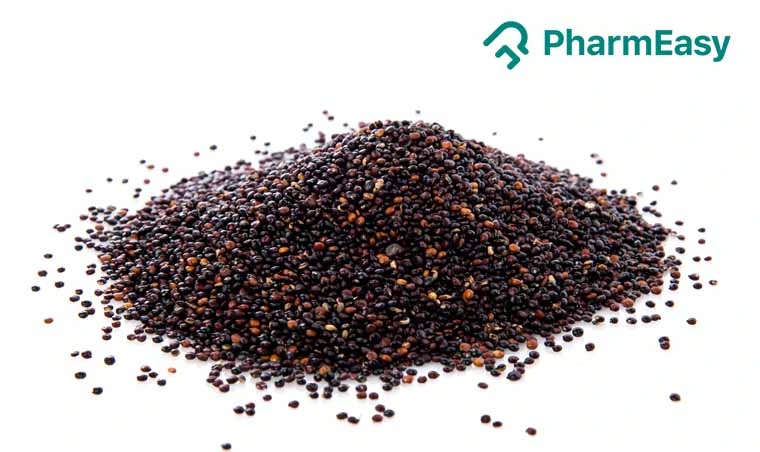
Mustard seeds, derived from the mustard plant, are a staple in kitchens worldwide, particularly in Indian cuisine. Available in three primary colours – black (Brassica nigra), brown (Brassica juncea), and white or yellow (Sinapis alba) – each variety offers a unique taste profile and a potent dose of nutrients.
The reality is, these tiny seeds are far more than just a taste enhancer; they are a repository of vitamins, minerals, and potent compounds that can significantly impact our well-being.
Practically speaking, understanding the advantages of mustard seeds can empower us to make more informed dietary choices. From aiding digestion to potentially fighting infections, their therapeutic properties have been recognised for millennia.
Recovery is rarely linear.
Have you ever wondered why these seeds are so integral to Indian cooking, from tempering dals to enhancing pickles?
Nutritional Profile of Mustard Seeds
A tablespoon of mustard seeds (approximately 10 grams) is a nutritional powerhouse. It offers a good source of essential minerals like selenium (crucial for thyroid function and antioxidant defence), magnesium (vital for muscle and nerve function, and blood sugar control), and phosphorus (important for bone health). The mineral content is impressive; for instance, a serving provides about 10% of the daily recommended intake for magnesium.
These seeds also contain iron, an essential component of haemoglobin, and zinc, which supports immune function. The energy content is modest, around 50-60 calories per tablespoon, making them a beneficial addition without significantly increasing caloric intake.
Beyond minerals, mustard seeds are a source of B-complex vitamins, including folate, thiamine, and niacin, which play critical roles in energy metabolism and overall cellular well-being. They also provide dietary fibre, aiding in digestive health and promoting satiety.
The presence of beneficial phytonutrients, such as glucosinolates, is particularly noteworthy. These compounds are responsible for the pungent taste of mustard and are believed to contribute significantly to its well-being advantages, including potential anti-cancer properties.
It sounds simple. It rarely is.
Key Well-being Benefits of Mustard Seeds (Rai)
1. Anti-inflammatory and Antioxidant Properties
One of the most significant advantages of mustard seeds stems from their rich antioxidant content. Compounds like sinigrin and myrosinase, found abundantly in these seeds, work synergistically to combat oxidative stress. Oxidative stress, an imbalance between free radicals and antioxidants, is implicated in chronic diseases and ageing. A study published in *The Lancet* highlighted the role of antioxidants in mitigating cellular damage.
The selenium content, in particular, acts as a potent antioxidant, protecting cells from damage. This natural defence mechanism can help reduce inflammation throughout the body. Worth knowing: Chronic inflammation is a root cause of many ailments, from arthritis to heart disease.
2. Digestive Health Support
In traditional Indian medicine, mustard seeds have long been used to stimulate digestion. Their mild stimulant effect can increase the secretion of digestive juices and bile, facilitating better breakdown and absorption of food. The fibre content also contributes to a healthy digestive system by promoting regular bowel movements and preventing constipation.
For many Indians, especially those who consume a diet rich in pulses and vegetables, incorporating rai into their cooking aids in managing potential digestive discomforts. Does this sound familiar? You've likely experienced the comforting warmth of a simple dal tempered with mustard seeds and curry leaves.
It sounds simple. It rarely is.
3. Cardiovascular Well-being
Mustard seeds may offer considerable advantages for heart well-being. The seeds are a good source of omega-3 and omega-6 fatty acids, which are essential for maintaining healthy cholesterol levels. Studies, including research cited by the International Diabetes Federation (IDF), suggest that compounds in mustard seeds can support reduce LDL ('bad') cholesterol and increase HDL ('good') cholesterol.
On top of that,, the magnesium content helps regulate blood pressure, a critical factor in preventing cardiovascular disease. The anti-inflammatory properties also play a role in protecting blood vessels from damage. The presence of allyl isothiocyanates, a compound also found in wasabi and horseradish, may contribute to these cardiovascular protective effects.
4. Blood Sugar Management
For individuals managing diabetes, mustard seeds could be a beneficial dietary addition. Research indicates that the magnesium and fibre content can assist improve insulin sensitivity and regulate blood sugar levels. Over 101 million Indians have diabetes (ICMR, 2023), making effective dietary management crucial.
Some studies suggest that compounds in mustard seeds may inhibit the absorption of glucose in the intestines. While not a cure, incorporating these seeds into a balanced diabetic diet, as part of a larger management plan, might offer supportive advantages. Always consult your doctor for personalized advice regarding diabetes management.
That alone changes everything.
5. Immune System Boost
The rich nutrient profile of mustard seeds, particularly their vitamin and mineral content, contributes to a robust immune system. Selenium, zinc, and iron are all vital for optimal immune cell function.
The seeds also possess antimicrobial and antifungal properties, which may aid the body fight off certain infections. Traditionally, during the winter months, potent spices like mustard seeds were often included in remedies to ward off colds and flu.
6. Respiratory Well-being
Mustard oil, extracted from mustard seeds, has been traditionally used in India to relieve congestion and soothe respiratory ailments. When applied topically as a chest rub (diluted with a carrier oil), the warming sensation can enable loosen mucus.
Internally, consuming mustard seeds or small amounts of mustard oil might offer similar advantages by acting as an expectorant. Have you ever wondered why mustard plasters were a common home remedy for coughs and colds?
Here's where it gets interesting.
7. Skin and Hair Advantages
The vitamins (especially Vitamin A and E) and minerals in mustard seeds contribute to healthy skin and hair. Antioxidants combat free radical damage, potentially slowing skin ageing.
Mustard oil, when used cautiously and diluted, is sometimes applied to the scalp to promote hair growth and add shine, though patch testing is essential due to potential irritation. Its antifungal properties may also assist combat scalp conditions like dandruff.
Culinary Uses of Mustard Seeds in India
Mustard seeds are indispensable in Indian cuisine. Their transformation from hard seeds to aromatic flavourings is a culinary art. Tempering, or 'tadka'/'chaunk', is a technique where whole spices, including rai, are fried briefly in hot oil or ghee until they splutter.
This process releases their essential oils and infuses the oil with taste, which is then used to finish dishes like dals, curries, vegetable stir-fries (sabzis), and chutneys. Black mustard seeds are particularly favoured for their intense taste.
Pickling is another area where mustard seeds shine. Their pungent taste and preservative qualities make them a key ingredient in various Indian pickles (achar), such as mango pickle, lime pickle, and mixed vegetable pickle.
Here's where it gets interesting.
They add a spicy kick and depth of taste that complements the sourness and saltiness of the pickles. Even simple dishes, like a bowl of curd (dahi) or a plain roti, can be elevated with a sprinkle of roasted rai.
Potential Side Effects and Precautions
While generally safe for most people when consumed in culinary amounts, excessive consumption of mustard seeds or mustard oil can lead to adverse effects. The reality is, too much of anything can be problematic. High intake may cause digestive upset, heartburn, or diarrhoea in sensitive individuals.
Some people may experience allergic reactions, ranging from mild skin rashes to more severe symptoms. It's crucial to be aware of personal sensitivities.
Mustard oil, in particular, contains erucic acid. While traditionally used in many parts of India, excessive consumption of mustard oils high in erucic acid has been a subject of concern regarding potential cardiovascular risks in some animal studies. Regulatory bodies like the WHO have set limits for erucic acid content in edible oils.
Therefore, moderation is key. If you have any pre-existing medical conditions, particularly gastrointestinal issues or allergies, it is advisable to consult your doctor before significantly increasing your intake of mustard seeds or oil.
Most people overlook this completely.
Pregnant and breastfeeding women should also exercise caution and consult a healthcare provider. Similarly, individuals on medication for conditions like diabetes or blood pressure should discuss incorporating mustard seeds into their diet with their doctor, as they might interact with certain medications.
How to Incorporate Mustard Seeds into Your Diet
Integrating mustard seeds into your daily meals is simple and adds a flavourful punch. Start by mastering the tempering technique – heat a tablespoon of ghee or oil in a small pan, add about half a teaspoon of rai, and sauté until they pop. Pour this fragrant oil over your dal, vegetables, or yogurt.
You can also add whole or ground mustard seeds to salad dressings, marinades, and rubs for meats or paneer. Roasting them lightly can enhance their nutty taste.
Consider making your own mustard paste or sauce at home using ground mustard seeds, vinegar, and water. This homemade version allows you to control the ingredients and avoid the additives found in many commercial products.
Even sprinkling a few whole seeds onto your morning poha or upma can add a delightful textural and taste dimension. The versatility of rai is immense, fitting seamlessly into both savoury and tangy preparations.
It sounds simple. It rarely is.
Key Takeaways
- Mustard seeds are rich in essential minerals like selenium and magnesium, and contain beneficial phytonutrients.
- They possess anti-inflammatory and antioxidant properties that can combat oxidative stress.
- Mustard seeds support digestive health and may contribute to better cardiovascular well-being and blood sugar management.
- Culinary uses in India are extensive, particularly in tempering (tadka) and pickling (achar).
- Moderation is advised, and individuals with specific health conditions or allergies should consult a physician.
Always consult a qualified physician before making any medical decisions.