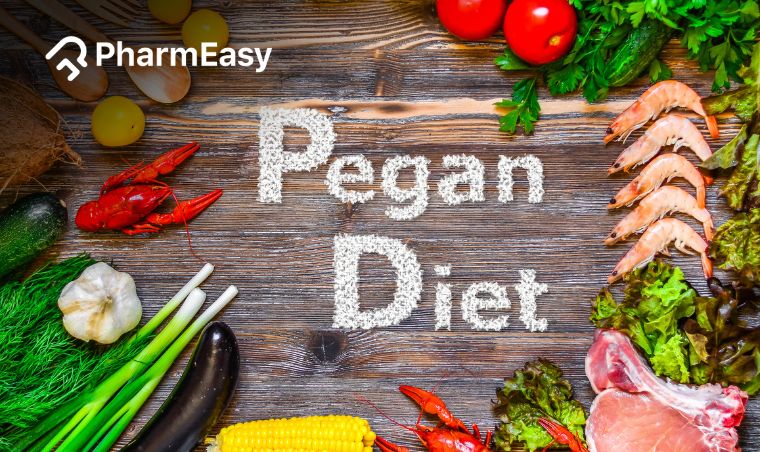
Understanding the Pegan Way: A Hybrid Approach to Well-being
Meena, 45, a homemaker from Jaipur, noticed her energy levels dipping significantly after the festive season, a common occurrence for many in India who indulge in rich, traditional sweets and fried snacks. Concerned about her long-term vitality, she started researching various dietary approaches, stumbling upon something called the 'Pegan way'. This intriguing combination of Paleo and Vegan principles aims to harness the best of both worlds, focusing on nutrient-dense, whole nourishment while strictly avoiding inflammatory culprits.
But is this dietary fusion truly the answer for an Indian palate and lifestyle? Let's explore what you should know.
The Pegan way, popularized by Dr. Mark Hyman, is not merely about mixing two popular eating styles; it's a philosophy centered on optimizing vitality through specific food choices. It emphasizes eating real sustenance – nourishment that is unprocessed and has a single ingredient or a very short list of ingredients.
Think about it this way: the diet steers clear of anything that comes in a box with a long ingredient list, opting instead for produce, quality proteins, and beneficial fats. This approach resonates with ancient wisdom while addressing modern vitality challenges. Have you ever wondered why chronic diseases are on the rise despite advancements in medicine?
Core Principles of the Pegan Way
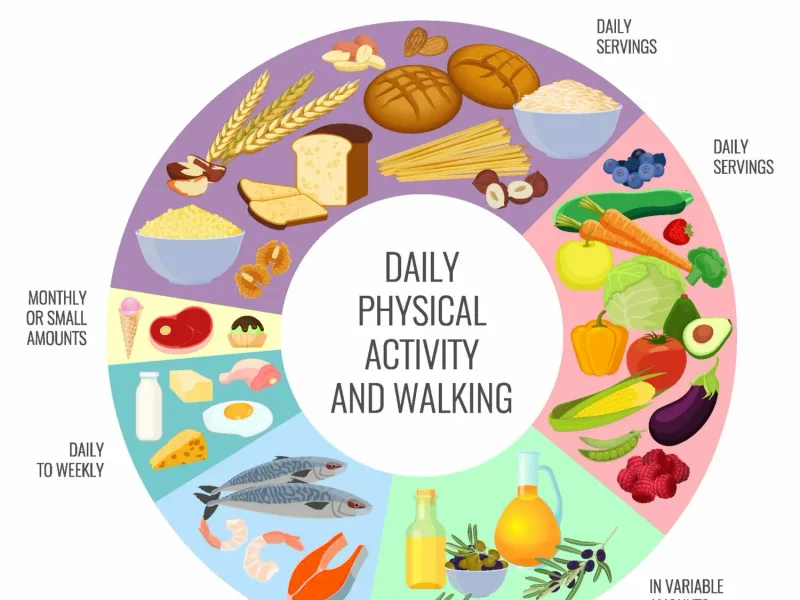
At its heart, the Pegan way champions a high intake of vegetables and fruits, particularly non-starchy varieties, making up about 75% of your plate. This aligns well with the traditional Indian emphasis on seasonal produce, which is readily available across the country. Protein sources are predominantly lean, such as fish, grass-fed meats, and poultry, alongside plant-based proteins like pulses and nuts.
That alone changes everything.
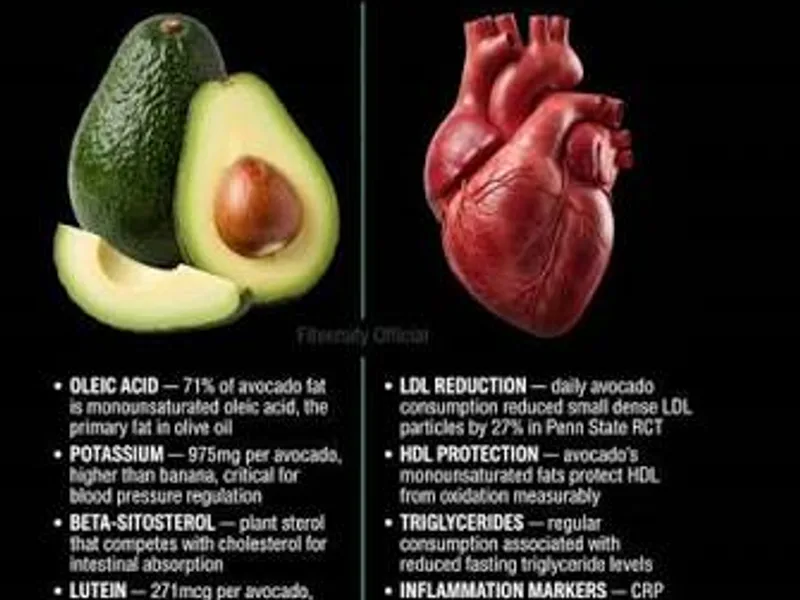
Beneficial fats, like those found in avocados, nuts, seeds, and olive oil, are also encouraged. Honestly, these are the building blocks of good vitality.
Conversely, the diet strictly limits or eliminates certain food groups. Cereals, pulses (beans, lentils, peanuts), dairy, refined sugars, and processed items are largely excluded. This is where the 'Paleo' influence is most evident, by avoiding nourishment introduced with agriculture.
The 'Vegan' aspect comes in by focusing heavily on plant-based sustenance and limiting animal products, though not entirely eliminating them as in a strict vegan diet. It's a delicate balance, aiming for the anti-inflammatory benefits of a plant-rich diet without completely foregoing the nutrient density that some animal products offer.
What to Eat on a Pegan Way
- Abundant Vegetables: Aim for a rainbow of non-starchy vegetables like leafy greens (spinach, kale), cruciferous varieties (broccoli, cauliflower), bell peppers, and zucchini. These are packed with vitamins, minerals, and fiber.
- Fruits in Moderation: Berries, apples, and other fruits are good, but their sugar content means they should be consumed in smaller quantities compared to vegetables.
- Quality Protein: Include lean meats (grass-fed beef, lamb), poultry, fish (especially fatty fish rich in omega-3s like salmon), and eggs.
- Beneficial Fats: Avocado, nuts (almonds, walnuts), seeds (chia, flax, pumpkin), and extra virgin olive oil are essential.
- Limited Pulses: While not entirely forbidden, the intake of pulses is restricted due to their phytic acid content and potential to cause digestive issues for some.
What to Avoid or Strictly Limit
- Cereals: All types of cereals, including wheat, rice, corn, oats, and quinoa.
- Dairy: Milk, cheese, yogurt, and butter (though ghee, clarified butter, is sometimes permitted due to its casein-free nature).
- Refined Sugars: White sugar, high-fructose corn syrup, honey (in large amounts), and artificial sweeteners.
- Processed Items: Packaged snacks, fast food, processed meats, and anything with artificial additives.
- Certain Fats: Industrial seed oils like soybean, corn, and canola oil.
Potential Benefits of the Pegan Way
The Pegan way's emphasis on whole, unprocessed nourishment and its restriction of inflammatory ingredients like sugar and refined cereals can offer several vitality advantages. By prioritizing nutrient-dense sustenance, it aims to reduce inflammation, a key driver of many chronic diseases. Research published in The Lancet has repeatedly highlighted the detrimental effects of high sugar and processed item intake on global vitality. Reducing these can lead to improved blood sugar control, which is particularly relevant in India, where the prevalence of diabetes is alarmingly high – over 101 million Indians have diabetes (ICMR, 2023), and many more are pre-diabetic.
What most people miss: the diet's focus on fiber from vegetables and beneficial fats can promote satiety, aiding in weight management. Many individuals find that by eliminating processed items and refined carbohydrates, they naturally consume fewer calories and experience more stable energy levels throughout the day, avoiding the energy crashes often associated with sugary snacks.
This dietary pattern can also contribute to better gut vitality, as the high fiber content feeds beneficial gut bacteria. In many cases, improved gut vitality is linked to enhanced immune function and even better mood regulation.
Recovery is rarely linear.
The emphasis on beneficial fats, particularly omega-3 fatty acids found in fatty fish, can support brain vitality and reduce the risk of cognitive decline. The abundance of antioxidants from fruits and vegetables helps combat oxidative stress, protecting cells from damage.
This holistic approach to nutrition is designed to foster overall well-being and longevity.
Challenges and Considerations for an Indian Context
While the Pegan way offers compelling benefits, adapting it to the Indian dietary landscape presents unique challenges. Rice and various cereals form the staple for a significant portion of the Indian population, and their exclusion can be difficult. Similarly, pulses like lentils (dal) and chickpeas (chana) are fundamental to Indian cuisine, providing essential protein and fiber.
Completely eliminating these beloved staples requires careful planning and nutrient replacement strategies to avoid deficiencies. Have you ever wondered why giving up dal or roti feels so daunting for many?
The exclusion of dairy is another hurdle. Yogurt (dahi) is a daily staple for many Indians, not just for taste but also for its probiotic benefits and calcium content.
While ghee is often allowed, the avoidance of milk and cheese means finding alternative sources of calcium and vitamin D is crucial. The World Health Organization (WHO) recommends adequate calcium intake for bone vitality, and for many, dairy is a primary source.
Most people overlook this completely.
Think about it this way: navigating a diet that restricts cereals, pulses, and dairy while trying to maintain cultural food practices and ensuring adequate nutrition can be complex. Festival diets, often rich in sweets and fried items, would need notable modification.
Even simple acts like sitting on the floor for a meal, a typical practice in many Indian homes, might require adjustments to accommodate the focus on specific food preparations.
What's more,, the cost and availability of specific 'Pegan-approved' sustenance, like grass-fed meats or certain exotic vegetables, can be a barrier in some regions of India. Ensuring adequate protein intake without relying heavily on pulses and cereals requires thoughtful meal planning.
For instance, replacing a lentil-based curry with a vegetable stir-fry using chicken or fish would be a prevalent Pegan substitution, but it needs to be balanced.
Potential Risks and Side Effects
Drastic dietary changes can sometimes lead to undesirable side effects. Initially, individuals may experience digestive discomfort, such as bloating or gas, as their bodies adjust to a significantly different fiber intake and food composition.
This is especially true when transitioning from a diet high in processed items and carbohydrates to one rich in vegetables and fats. Honestly, some initial discomfort is not uncommon.
Nutrient deficiencies are a genuine concern if the diet is not well-planned. Excluding entire food groups like cereals and pulses could lead to inadequate intake of certain B vitamins, iron, and fiber if not compensated for with appropriate substitutions.
That alone changes everything.
For instance, iron from plant sources (non-heme iron) is less bioavailable than from animal sources, so careful pairing with vitamin C-rich items is necessary. The International Diabetes Federation (IDF) highlights the importance of balanced nutrition for diabetes management, and restrictive diets need careful supervision.
On top of that,, for individuals with a history of disordered eating or those prone to obsessive food behaviors, such a restrictive diet could potentially exacerbate these tendencies. The psychological aspect of such a notable lifestyle change should not be underestimated.
It's essential to approach the Pegan way with a balanced perspective, focusing on overall vitality rather than rigid adherence.
Is the Pegan Way Right for You?
Deciding whether to adopt the Pegan way requires careful self-assessment and consultation with a healthcare professional. If you are looking to reduce inflammation, improve energy levels, manage blood sugar, or lose weight, and you are prepared for the considerable dietary shifts involved, it might be worth exploring.
However, the strict exclusion of staples like rice, roti, and dal makes it challenging for many Indians to sustain long-term without professional guidance.
It's crucial to remember that personalization is key in nutrition. What works wonders for one person may not be suitable for another, depending on genetics, lifestyle, activity level, and existing vitality conditions.
That's the part worth remembering.
Perhaps a modified Pegan approach, incorporating more plant-based protein sources like lentils in moderation or including certain whole cereals, could be a more sustainable option for some. The goal should always be to foster a healthy relationship with sustenance and promote long-term well-being, rather than adhering to a diet dogmatically.
The principles of eating real nourishment, prioritizing vegetables, and avoiding processed items are universally beneficial. The specific restrictions of the Pegan way, however, warrant careful consideration, especially within the rich and diverse culinary traditions of India.
Consulting with a registered dietitian or a doctor knowledgeable in nutrition can help you determine if this diet aligns with your vitality goals and lifestyle, and how to implement it safely and effectively.
Key Takeaways
- The Pegan way combines principles from Paleo and Vegan diets, emphasizing whole, unprocessed nourishment and limiting cereals, pulses, dairy, and refined sugars.
- Potential benefits include reduced inflammation, improved blood sugar control, and better energy levels, especially relevant given India's high diabetes rates (over 101 million affected).
- Adapting the Pegan way to Indian cuisine is challenging due to the reliance on staples like rice, roti, and dal, and the typical consumption of dairy.
- Potential risks include digestive issues and nutrient deficiencies (e.g., B vitamins, iron) if not carefully planned.
- Consulting a healthcare professional is essential before starting the Pegan way to ensure it's safe and suitable for individual vitality needs and cultural context.
Always consult a qualified physician before making any medical decisions.