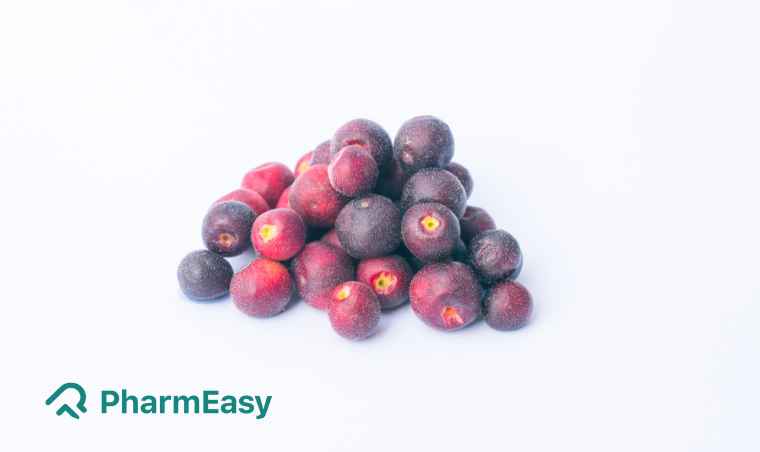
Phalsa Berries: A Powerhouse of Well-being You Need to Know
Meena, 45, a homemaker from Jaipur, experienced a persistent burning sensation during urination and a general feeling of fatigue, particularly during the sweltering summer months. Her neighbour, a wise elder in the community, suggested she try making a sherbet from the small, dark purple phalsa berries that were in season. Skeptical but desperate for relief, Meena followed the simple recipe.
Within a few days, she felt a noticeable difference – the burning sensation subsided, and her energy levels improved. This is just one of countless stories highlighting the remarkable, yet often overlooked, therapeutic qualities of the phalsa berry (Grewia asiatica).
This indigenous Indian berry, popularised into refreshing drinks during the hot Indian summer, is more than just a palate-pleaser. It's a nutritional powerhouse packed with vitamins, minerals, and beneficial compounds that offer a wide array of wellness advantages.
As temperatures soar across India, understanding the virtues of produce like phalsa becomes increasingly relevant. Worth knowing: Phalsa's tart-sweet flavour profile makes it a versatile ingredient, enjoyed fresh, juiced, or as a delightful sherbet.
It sounds simple. It rarely is.
Nutritional Profile of Phalsa Berries
To truly appreciate the advantages of phalsa, it’s essential to understand its rich nutritional composition. A 100-gram serving of phalsa berries is a treasure trove of essential nutrients. It provides a good source of Vitamin C, crucial for immune function and skin wellness.
The produce also contains smaller amounts of B vitamins, iron, potassium, and magnesium. Its most significant contribution, however, lies in its abundant phenolic compounds and anthocyanins, which are potent compounds responsible for its vibrant colour and many of its wellness-promoting effects. These compounds help combat oxidative stress in the body.
Key Nutrients per 100g (approximate):
- Calories: 60-70 kcal
- Carbohydrates: 12-15g
- Fibre: 2-3g
- Vitamin C: 15-20mg (major portion of daily requirement)
- Beneficial Compounds: Rich in anthocyanins and other polyphenols
Wellness Advantages of Phalsa Berries
The traditional use of phalsa in Ayurvedic medicine is well-documented, and modern science is increasingly validating these age-old practices. Its benefits span various aspects of well-being, from managing chronic conditions to providing immediate relief from summer ailments.
1. Regulating Blood Sugar Levels
For individuals managing diabetes, phalsa berries can be a valuable addition to their diet. Studies, including research published in journals like The Lancet Diabetes & Endocrinology, suggest that the phenolic compounds in phalsa may enable improve insulin sensitivity and reduce post-meal glucose spikes. The fibre content also aids in slowing down sugar absorption.
The numbers don't lie.
While it's not a cure, incorporating phalsa into a balanced diabetic diet can be beneficial. In India, where diabetes prevalence is alarmingly high – over 101 million people live with diabetes (ICMR, 2023) – such natural aids are crucial. Think about it this way: The produce helps your body utilise sugar more effectively, preventing sudden surges.
2. Promoting Cardiovascular Well-being
The beneficial compounds present in phalsa, particularly anthocyanins, play a notable role in cardiovascular wellness. These compounds benefit protect blood vessels from damage, reduce inflammation, and may contribute to lowering blood pressure.
Potassium, also present in phalsa, is known for its role in maintaining healthy blood pressure levels by counteracting the effects of sodium. Regular consumption can contribute to a healthier heart, especially important in a nation where cardiovascular diseases are a leading cause of mortality.
3. Aiding Digestive Well-being
Phalsa's natural astringent qualities make it effective in managing various digestive issues. It can benefit alleviate symptoms of indigestion, acidity, and diarrhoea.
The produce's fibre content promotes regular bowel movements and supports a healthy gut microbiome. In many cases, a simple glass of phalsa juice can provide quick relief from heat-related stomach discomforts common during the Indian monsoon season, when digestive systems can be particularly sensitive.
The numbers don't lie.
4. Cooling the Body and Preventing Heatstroke
Perhaps the most celebrated benefit of phalsa, especially in the Indian context, is its cooling effect on the body. During the scorching summer months, a glass of chilled phalsa sherbet is a go-to remedy for combating dehydration and preventing heatstroke.
Its high water content and natural electrolytes assist replenish lost fluids and minerals. This traditional remedy has been passed down through generations, offering a natural and successful way to stay cool and hydrated.
5. Anti-inflammatory Properties
Chronic inflammation is a root cause of many diseases, including arthritis and certain cancers. The potent compounds in phalsa, such as anthocyanins and quercetin, possess considerable anti-inflammatory properties.
These compounds work by neutralizing free radicals and reducing inflammatory pathways in the body. This makes phalsa a valuable addition for those seeking to manage inflammatory conditions naturally.
6. Boosting the Immune System
The substantial Vitamin C content in phalsa is a powerful immune booster. Vitamin C stimulates the production of white blood cells, which are essential for fighting off infections.
Its beneficial compound properties also protect immune cells from damage, ensuring they function optimally. A robust immune system is vital for overall well-being, helping the body defend against everyday pathogens.
The numbers don't lie.
7. Improving Skin Well-being
The beneficial compounds in phalsa combat free radical damage, which is a major contributor to premature ageing. By neutralizing these harmful molecules, phalsa can aid maintain skin elasticity, reduce the appearance of wrinkles, and promote a healthier, more radiant complexion.
On top of that,, its anti-inflammatory properties can benefit soothe skin irritations.
8. Potential Anti-Cancer Properties
While more extensive human trials are needed, preliminary research on the compounds found in phalsa, particularly anthocyanins, suggests potential anti-cancer activities. These compounds have shown promise in laboratory studies for inhibiting the growth of certain cancer cells and preventing DNA damage.
Institutions like the WHO and ICMR are continuously researching the potential of natural compounds in disease prevention.
How to Consume Phalsa Berries
Phalsa is incredibly versatile. Its primary use in India is as a refreshing sherbet or juice, especially during summer. To make a simple phalsa sherbet:
- Wash about 250g of fresh phalsa berries thoroughly.
- Boil them in 2 cups of water for about 5-7 minutes until they soften.
- Mash the softened berries to extract the juice.
- Strain the mixture through a fine sieve, pressing out as much liquid as possible. Discard the pulp and seeds.
- To the extracted juice, add sugar or jaggery to taste, a pinch of black salt, and a dash of roasted cumin powder.
- Chill the sherbet and serve.
Phalsa can also be consumed fresh – though be mindful of the seeds. Some people enjoy it with a sprinkle of salt and pepper.
The produce can also be incorporated into smoothies, jams, or even used to flavour desserts. For those who live in areas where fresh phalsa isn't readily available, frozen phalsa pulp or phalsa juice concentrate can often be found in specialty stores.
Potential Side Effects and Precautions
While phalsa is generally safe for most people when consumed in moderation, there are a few potential side effects and precautions to consider. But why does this happen?
Like many berries, excessive consumption can lead to digestive discomfort, such as bloating or diarrhoea, primarily due to its fibre and natural sugar content. If you are accustomed to a low-fibre diet, it's advisable to introduce phalsa gradually.
Recovery is rarely linear.
For individuals with known allergies to berries or related produce, it's wise to exercise caution. Although rare, allergic reactions are possible. Practically speaking, if you experience any adverse reactions after consuming phalsa, discontinue use immediately and consult a healthcare professional.
Pregnant and breastfeeding women should consume phalsa in moderation and consult their doctor, as with any dietary changes during this sensitive period. Patients on medication for glucose control should monitor their levels closely if they significantly increase their phalsa intake, as it may potentially enhance the effect of these medications.
So what does that mean for you? It means enjoying phalsa responsibly. Moderation is key to reaping its advantages without experiencing unwanted side effects. Understanding your body's response is paramount.
Phalsa vs. Other Berries
When comparing phalsa to other popular berries like blueberries or strawberries, it holds its own. While blueberries are often lauded for their high compound content – boasting around 4,600 ORAC units per 100g – phalsa also offers a major compound punch, particularly from its anthocyanins. Phalsa's unique tartness and cooling qualities are distinct advantages, especially in the Indian climate.
The numbers don't lie.
Its affordability and local availability also make it a more accessible option for many Indians compared to imported berries. IDF (International Diabetes Federation) reports highlight the global need for affordable, nutritious food options, and phalsa fits this bill perfectly for many.
Conclusion: Embrace the Power of Phalsa
Phalsa berries (Grewia asiatica) are a true gift from nature, deeply rooted in Indian culture and tradition. Their refreshing taste is matched only by their impressive array of wellness benefits, from regulating glucose levels and supporting cardiovascular well-being to cooling the body during intense heat.
As a rich source of beneficial compounds, vitamins, and minerals, it offers a natural way to enhance overall well-being. Embracing this humble berry, especially during its peak season, can be a delicious and powerful strategy for a healthier lifestyle.
Always consult a qualified physician before making any medical decisions.
Key Takeaways
- Phalsa berries are rich in beneficial compounds, particularly anthocyanins, which combat oxidative stress.
- It may assist in regulating glucose levels and improving insulin sensitivity, beneficial for diabetics.
- Phalsa possesses marked cooling properties, making it an excellent remedy for heatstroke and dehydration in India.
- The produce supports digestive well-being due to its fibre content and astringent properties.
- While generally safe, consume phalsa in moderation to avoid potential digestive discomfort.