Supplement Powders: Risks, Safe Use & Healthier Choices
Meena, 45, a homemaker from Jaipur, noticed persistent bloating and discomfort after starting a popular whey supplement to manage her weight. Initially, she attributed it to her diet, but the symptoms worsened.
This common scenario highlights a crucial point: while supplement powders can be beneficial, they aren't universally risk-free and can lead to significant adverse effects for some people, especially within the Indian context where dietary habits and prevalence of certain health conditions differ.
The quest for fitness and optimal well-being often leads individuals, particularly in urban India, to explore nutritional supplements. With the market flooded with options, from whey and casein to soy and pea varieties, understanding their potential downsides is paramount.
Over 101 million Indians have diabetes (ICMR, 2023), and many are also grappling with kidney issues or digestive sensitivities. It’s essential to approach these products with informed caution.
Why the Popularity of Supplement Powders?
This macronutrient is a fundamental component vital for muscle repair, growth, hormone production, and overall bodily function. For active individuals, athletes, or those recovering from illness, meeting daily requirements can sometimes be challenging through diet alone. Supplement powders offer a convenient and concentrated source.
This is where most patients struggle.
16 billion by 2027, according to Grand View Research. In India, the market is also expanding rapidly, driven by increasing health consciousness and the availability of diverse products.
Potential Side Effects of Supplement Powders
Despite their benefits, consuming supplement powders can trigger a range of adverse effects. These often depend on the type of supplement, the individual's physiology, dosage, and overall diet. Practically speaking, ignoring these potential issues can lead to discomfort and health complications.
Digestive Issues
This is perhaps the most commonly reported adverse effect. Many supplement powders, especially those derived from dairy like whey and casein, contain lactose. People with lactose intolerance—a condition prevalent in a marked portion of the Indian population—may experience bloating, gas, cramps, diarrhoea, and nausea.
Even without diagnosed intolerance, the sheer concentration of the macronutrient can overwhelm the digestive system. Some additives like artificial sweeteners (sorbitol, xylitol) or thickeners (carrageenan) can also contribute to gastrointestinal distress.
Kidney Strain
Here's the thing: the concern about supplement powders damaging healthy kidneys is often overstated, but it's not entirely unfounded for specific individuals. Extremely high macronutrient consumption, far exceeding recommended levels, can increase the workload on the kidneys as they filter waste products (like urea) from macronutrient metabolism. While research in healthy individuals suggests moderate high-macronutrient diets are generally safe, those with pre-existing kidney conditions (nephropathy) should be exceedingly cautious.
Here's where it gets interesting.
0 grams per kilogram of body weight per day is safe and effective for supporting physical activity. Exceeding this significantly without medical guidance warrants caution, especially for those with compromised renal function. Over 10% of Indian adults suffer from Chronic Kidney Disease (CKD), a statistic that underscores the need for vigilance regarding excessive macronutrient consumption.
Liver Issues
Similar to kidney concerns, excessive macronutrient consumption can place a burden on the liver, which is responsible for metabolizing amino acids. While healthy livers can typically handle the load, individuals with underlying liver disease should consult their doctor.
The reality is, the liver's role in processing macronutrient byproducts is crucial, and any pre-existing impairment could be exacerbated by a sudden surge in macronutrient metabolism.
Allergic Reactions and Sensitivities
Beyond lactose, other ingredients in supplement powders can trigger allergic reactions. Soy-based supplements, for instance, are a frequent allergen. Some individuals may react to artificial sweeteners, colours, or flavours.
warning signs can range from mild skin rashes and itching to severe anaphylaxis. Testing for specific allergies might be advisable if you suspect a reaction.
Nutrient Imbalances and Deficiencies
Relying heavily on supplement powders might lead to an unbalanced consumption of other essential nutrients. If nutritional aids replace whole foods rich in fibre, vitamins, minerals, and healthy fats, it can result in deficiencies over time.
That's the part worth remembering.
For instance, displacing meals that would typically include diverse vegetables and fruits—staples in Indian cuisine, often enjoyed during festivals like Diwali—could mean missing out on vital micronutrients. A balanced diet is key, and supplements should complement, not replace.
Weight Gain
Ironically, some supplement powders, particularly those with added sugars, fats, or high carbohydrate content, can contribute to unintended weight gain if consumed in excess of daily caloric needs. Always check the nutritional label carefully.
Heavy Metal Contamination
Alarmingly, several independent studies have detected heavy metals like lead, arsenic, cadmium, and mercury in popular supplement powders. Consumer Reports, in a 2020 study, tested 30 nutritional supplements and found heavy metals in all of them, with 10 exceeding recommended safety levels.
While the levels varied, this contamination likelihood is a serious concern, as heavy metals can accumulate in the body over time, leading to serious health problems including neurological damage and increased cancer chance. The World Health Organization (WHO) has guidelines on heavy metal exposure, highlighting the global nature of this concern.
It sounds simple. It rarely is.
Factors Influencing Side Effects
Several factors contribute to whether or not someone experiences adverse effects:
- Type of Supplement: Whey concentrate vs. isolate, casein, soy, pea, rice, hemp, etc., each has a different absorption rate and potential allergen profile.
- Dosage: Consuming more than the recommended serving size significantly increases the possibility of adverse effects.
- Individual Sensitivity: Pre-existing conditions (lactose intolerance, kidney disease, allergies) play a major role.
- Product Quality: Purity, processing methods, and the presence of contaminants vary widely between brands. Look for third-party certifications.
- Hydration Levels: Inadequate water intake can exacerbate the strain on kidneys during high macronutrient metabolism.
Safe Use of Supplement Powders
To mitigate risks and use supplement powders safely, follow these guidelines:
- Consult a Professional: Before starting any supplement, discuss it with your doctor or a registered dietitian, especially if you have underlying health conditions. They can assess your individual needs and potential risks.
- Start with a Low Dose: Begin with half the recommended serving to see how your body reacts. Gradually increase if tolerated.
- Choose High-Quality Products: Opt for reputable brands that undergo third-party testing for purity and contaminants (e.g., NSF Certified for Sport, Informed-Choice). Look for minimal ingredients.
- Prioritize Whole Foods: Supplement powders should supplement, not replace, a balanced diet. Ensure you're getting your macronutrient from sources like lentils (dal), chickpeas (chana), paneer, eggs, fish, and chicken. India's traditional diet is rich in plant-based macronutrient sources.
- Stay Hydrated: Drink plenty of water throughout the day, especially when increasing macronutrient consumption.
- Monitor Your Body: Pay attention to any unusual signs like digestive upset, fatigue, or skin reactions. Stop use if manifestations persist.
Healthier Alternatives to Supplement Powders
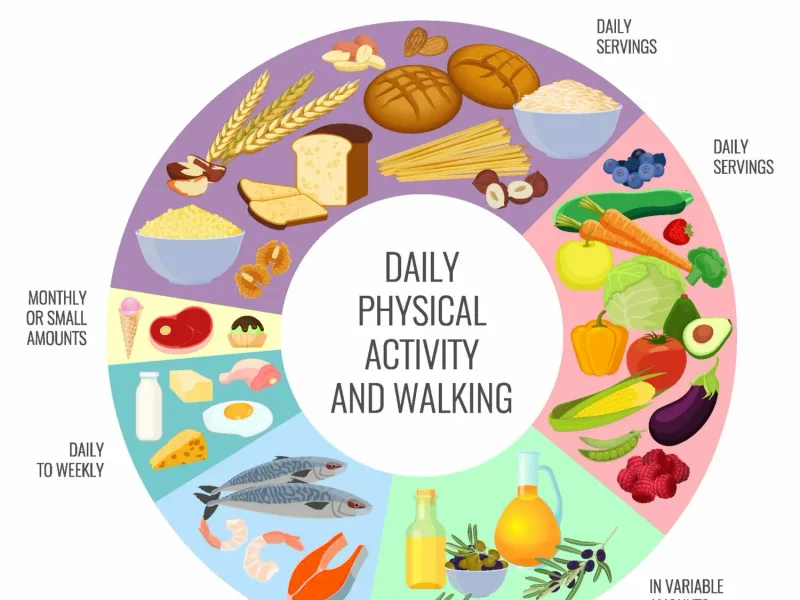
For many Indians, especially those who prefer natural options or have sensitivities, whole food sources are often the best and safest way to increase macronutrient consumption. So what does that mean for you? It means rediscovering the power of traditional Indian foods.
Legumes and Pulses
Lentils (dal), chickpeas (kala chana, kabuli chana), kidney beans (rajma), black-eyed peas (lobia), and soybeans are excellent sources of plant-based macronutrients and fibre. A cup of cooked lentils can provide around 18 grams of the macronutrient.
They are staples in Indian households and can be incorporated into various dishes, from sambar and dal makhani to chole bhature (in moderation) and sprouts salad.
Dairy Products
Yogurt (dahi), paneer (Indian cottage cheese), and milk are rich in the macronutrient and calcium. Greek yogurt, in particular, is very high in this macronutrient.
These are versatile ingredients, perfect for post-workout snacks or as part of a meal. Remember to opt for low-fat or full-fat options based on your dietary needs, but be mindful of lactose if intolerant.
Nuts and Seeds
Almonds, walnuts, peanuts, pumpkin seeds, chia seeds, and flax seeds are packed with the macronutrient, healthy fats, and fibre. A handful (about 30g) can provide 5-10 grams of the macronutrient.
They make great snacks or additions to breakfast cereals and salads. Peanut butter is another convenient option, but choose natural varieties without added sugar or hydrogenated oils.
Whole Grains
While primarily carbohydrates, whole grains like quinoa, oats, and even whole wheat contribute to your macronutrient consumption. Quinoa, a complete macronutrient source, is particularly noteworthy. A cup of cooked quinoa offers about 8 grams of this macronutrient.
That's the part worth remembering.
Eggs and Lean Meats/Fish
For non-vegetarians, eggs are a complete macronutrient source. Lean meats like chicken breast and fish are also excellent choices. A 100g serving of chicken breast provides around 31 grams of the macronutrient.
Fish like salmon and mackerel offer the macronutrient along with beneficial omega-3 fatty acids. Remember to prepare them using healthy cooking methods like grilling, baking, or steaming, rather than deep-frying, which is widespread during festive seasons.
The Indian Context: Cultural Diet and Macronutrients
India's diverse culinary landscape offers abundant macronutrients. Traditional diets, especially those rich in legumes, dairy, and nuts, can easily meet macronutrient needs for many. The emphasis on floor sitting during meals in many Indian households can also aid digestion. However, increasing urbanization and changing lifestyles have led to a greater reliance on processed foods and supplements.
It’s crucial to balance modern convenience with the nutritional wisdom embedded in traditional Indian cuisine. For instance, a simple bowl of dal and rice, a widespread meal, provides a good balance of the macronutrient and carbohydrates. Adding a side of sabzi (vegetable dish) and perhaps some curd enhances the nutritional profile significantly. The International Diabetes Federation (IDF) notes that dietary patterns significantly influence metabolic health, reinforcing the importance of wholesome foods.
Recovery is rarely linear.
Conclusion
Supplement powders can be a useful tool for increasing macronutrient consumption, but they are not without risks. Digestive issues, potential kidney strain, allergic reactions, and contamination are valid concerns. Understanding your body, choosing quality products, and prioritizing whole food sources are essential for safe and powerful macronutrient consumption.
The abundance of macronutrient-rich foods in the Indian diet offers a healthier, more natural path for most people. Always consult a qualified physician before making any medical decisions.
Key Takeaways
- Supplement powders can cause digestive issues, allergic reactions, and potentially kidney strain if consumed excessively or by individuals with pre-existing conditions.
- Heavy metal contamination is a considerable likelihood in some nutritional supplements; choose third-party tested brands.
- Whole food sources like lentils, dairy, nuts, seeds, eggs, and lean meats are often safer and healthier alternatives for meeting macronutrient needs.
- Prioritize a balanced diet rich in whole foods over relying solely on supplements.
- Always consult a healthcare professional before starting nutritional supplements, especially if you have underlying health issues.