Puffed Rice: Uses, Benefits, Side Effects
Meena, 45, a homemaker from Jaipur, noticed persistent bloating and discomfort after her evening meal. Her usual choice for years had been a generous bowl of puffed rice, frequently seasoned with spices and a hint of lemon. She often pondered if this seemingly light food was truly as innocuous as it appeared. This common question reflects a broader curiosity among many Indians about the nutritional makeup and health effects of muri, or puffed rice, a staple in various forms across the country.
Dr. Rajeev Singh, a renowned gastroenterologist, addresses these concerns, illuminating the applications, advantages, and potential drawbacks of this popular food item.
Understanding Puffed Rice
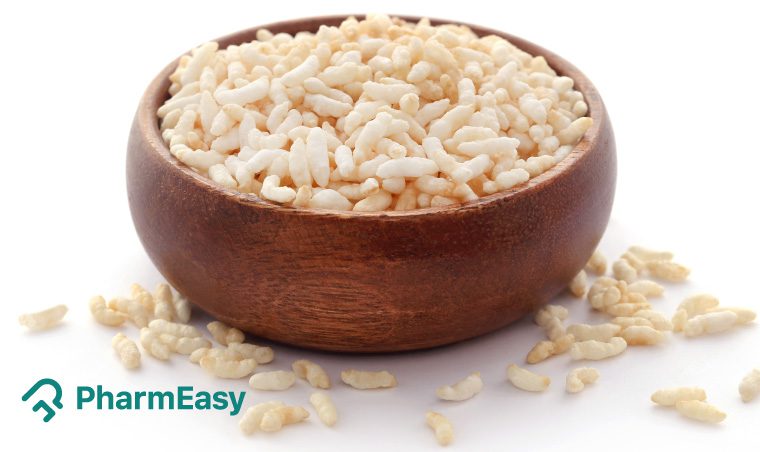
Puffed rice is essentially rice that has been expanded or 'puffed' by exposure to steam, hot air, or oil. The process involves heating the grains under high pressure, causing the moisture within to rapidly expand and burst the kernel, creating the characteristic light and airy texture. In India, it is a ubiquitous ingredient, forming the base for popular street food delights like jhalmuri and bhel puri, and also finding its way into breakfast cereals and traditional dishes. Its popularity stems from its versatility, low cost, and immediate availability.
The reality is, the nutritional makeup of puffed rice can vary significantly depending on how it's processed and what is added to it. Unadorned puffed rice, made solely from rice, is primarily a source of carbohydrates.
For instance, a 100-gram serving of unadorned puffed rice typically contains around 360-380 calories and over 80 grams of carbohydrates, with very little protein or fat. This makes it an energy-dense food, which can be beneficial for quick energy replenishment but also a concern for those managing weight or blood sugar levels.
Nutritional Breakdown and Potential Benefits
When consumed in its plain form, puffed rice offers certain advantages. It is a good source of easily digestible carbohydrates, providing a quick energy boost. This can be particularly useful for athletes or individuals needing rapid fuel.
What's more,, puffed rice contains a small amount of dietary fibre, essential for digestive health. While not exceptionally high, the fibre content can contribute to satiety and help regulate bowel movements. Practically speaking, its low fat content in its unadulterated state is a definite plus.
Recovery is rarely linear.
Worth knowing: The process of puffing can also make some nutrients more bioavailable. However, the overall nutrient density of unadorned puffed rice is relatively low compared to whole grains.
For example, it is not a significant source of vitamins or minerals unless fortified. A 100-gram serving might offer around 2-3 grams of fibre, which is a modest contribution to the recommended daily intake of 25-30 grams.
Carbohydrate Content and Energy
The primary macronutrient in puffed rice is carbohydrates. This makes it an excellent source of quick energy. For individuals engaged in strenuous physical activity, consuming puffed rice can assist replenish glycogen stores rapidly.
However, this high carbohydrate load also means that individuals with diabetes or those monitoring their glucose intake need to be cautious. Over 101 million Indians have diabetes (ICMR, 2023), and high-glycemic index foods like puffed rice can potentially lead to blood glucose spikes if not consumed mindfully.
Digestive Properties
Puffed rice is generally considered easy to digest. Its airy texture means it requires less effort from the digestive system. This can be beneficial for people with sensitive stomachs or those recovering from illness.
Recovery is rarely linear.
The fibre present, though not abundant, aids in promoting regular bowel movements and preventing constipation. For many, especially during the monsoon season when digestion can feel sluggish, a light food like puffed rice might feel more comfortable than heavier options.
Low Fat Content
In its plain form, puffed rice is naturally low in fat. This is a notable advantage compared to many other food options that are often fried.
A 100-gram serving of unadorned puffed rice contains less than 1 gram of fat. This makes it a potentially better choice for weight management and for individuals concerned about cardiovascular health, provided it is not prepared with added oils or fats.
Potential Side Effects and Concerns
While puffed rice has its benefits, it's crucial to consider the potential drawbacks, especially concerning how it is typically consumed in India. The preparation and additions frequently negate its inherent low-fat and relatively simple nutritional profile.
But why does this happen? The issue often lies not with the puffed rice itself, but with what it's mixed with. Street food preparations like bhel puri and jhalmuri often include ingredients that significantly increase the calorie, sodium, and unhealthy fat content. These can include fried savouries (sev), potatoes, chutneys (which can be high in glucose and salt), and excessive amounts of oil or ghee. Such combinations can quickly transform a seemingly light food into a calorie-dense, nutritionally imbalanced meal.
High Glycemic Index
Puffed rice, being a refined carbohydrate, generally has a high glycemic index (GI). This means it can cause a rapid increase in blood glucose levels after consumption. For individuals with diabetes, metabolic syndrome, or insulin resistance, frequent consumption of high-GI foods can be problematic.
Here's where it gets interesting.
The International Diabetes Federation (IDF) emphasizes the importance of managing carbohydrate intake and choosing low-GI foods to maintain stable blood glucose levels. A typical serving of puffed rice might have a GI of 85 or higher, indicating a rapid impact on blood glucose.
Low in Essential Nutrients
Despite being a staple, puffed rice is not a powerhouse of essential nutrients. It is relatively low in protein, essential fatty acids, vitamins (like B vitamins and Vitamin D), and minerals (such as iron, calcium, and zinc) unless it is fortified. For instance, a 100-gram serving might provide less than 2 grams of protein.
Relying heavily on puffed rice as a primary food source could lead to micronutrient deficiencies over time. This is particularly relevant in a country like India, where certain micronutrient deficiencies, like iron deficiency anaemia affecting over 50% of women and children (WHO), are prevalent.
Sodium and Sugar Content in Prepared Snacks
The most notable concern arises from commercially prepared puffed rice snacks and street food versions. These frequently contain substantial amounts of added salt and glucose, particularly in the flavourings, masalas, and sauces used. Excessive sodium intake is a major risk factor for hypertension, a condition affecting approximately 20-30% of adults in India.
That's the part worth remembering.
Similarly, high glucose content contributes to weight gain, dental issues, and increases the possibility of type 2 diabetes. The temptation to sit on the floor during festivals and indulge in these readily available, palatable treats can be strong, but the health implications must be weighed.
Potential for Contamination
Street food vendors, while offering delicious treats, may not always adhere to the strictest hygiene standards. Puffed rice preparations, especially those exposed to the elements or handled with unwashed hands, can be susceptible to bacterial contamination.
This can lead to foodborne illnesses like gastroenteritis. A study published in The Lancet highlighted the prevalence of food safety issues associated with street vended foods in several Indian cities.
Healthy Ways to Consume Puffed Rice
So what does that mean for you? It means that while puffed rice itself isn't inherently 'bad', its healthfulness largely depends on preparation and portion control. Dr. Singh offers practical advice for enjoying puffed rice responsibly:
Here's where it gets interesting.
Opt for Plain Puffed Rice
Whenever possible, choose unadorned, unflavoured puffed rice. This allows you to control the ingredients and seasonings. You can prepare it at home with minimal additions.
Control Additives
If making delights like bhel at home, be mindful of what you add. Use fresh vegetables like chopped onions, tomatoes, cucumbers, and coriander for added nutrients and fibre. Limit the amount of sev, potatoes, and sugary or salty chutneys. A light seasoning with chaat masala and a squeeze of lemon juice can be flavourful without excessive unhealthy additions.
Pair with Protein and Healthy Fats
To make puffed rice a more balanced meal or food, pair it with sources of protein and healthy fats. For example, you could add a small portion of boiled chickpeas, sprouts, or peanuts (unsalted).
This helps to slow down the absorption of carbohydrates, leading to a more gradual rise in blood glucose levels and promoting greater satiety. Combining it with a glass of buttermilk or a small serving of yogurt can also enhance its nutritional value.
Mindful Portion Sizes
Even healthy foods should be consumed in moderation. Be aware of the portion size of puffed rice. A small bowl is generally sufficient for a food. Avoid mindlessly eating large quantities, especially when watching television or socialising.
Consider Fortified Varieties
Some commercially available puffed rice cereals are fortified with essential vitamins and minerals. While still high in carbohydrates, these can offer a better micronutrient profile compared to unadorned puffed rice. Always check the nutrition label.
When to Avoid Puffed Rice
Individuals with poorly controlled diabetes, those on a strict low-carbohydrate diet, or people with specific digestive issues like IBS (Irritable Bowel Syndrome) triggered by high-carbohydrate foods might need to limit or avoid puffed rice. Given that conditions like obesity are on the rise, affecting millions across India, mindful eating is paramount.
That's the part worth remembering.
Always consult a qualified physician before making any medical decisions.
Key Takeaways
- Unadorned puffed rice is primarily a source of carbohydrates and offers quick energy but is low in protein, fats, vitamins, and minerals.
- Its high glycemic index can cause rapid blood glucose spikes, making it a concern for individuals with diabetes.
- The health impact of puffed rice is heavily influenced by preparation methods; street food versions frequently contain high levels of unhealthy fats, sodium, and sugar.
- Consuming puffed rice with fibre-rich vegetables, protein sources, and healthy fats can create a more balanced and satisfying food.
- Portion control and mindful consumption are essential to avoid overeating and manage caloric intake effectively.