Radish (Mooli): Nature's Crunchy Powerhouse for Your Well-being
Meena, 45, a homemaker from Jaipur, noticed a persistent cough that lingered even after the monsoon rains subsided. Her grandmother suggested adding generous amounts of mooli (a type of radish) to her meals, believing it would help clear her chest.
This traditional wisdom, passed down through generations, often holds a kernel of truth, especially For the humble radish.
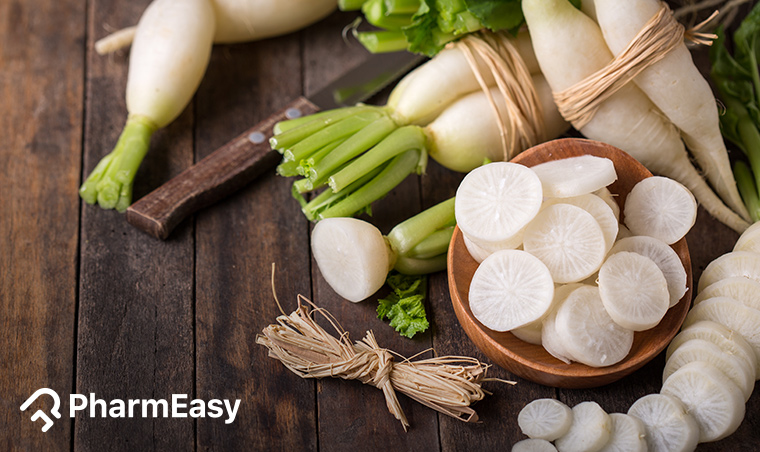
Radish, or mooli as it's widely known across India, is more than just a crunchy addition to salads or a staple in winter cuisine. This unassuming root vegetable packs a significant nutritional punch, offering a spectrum of benefits for your physical state that are increasingly being recognised by modern science.
From aiding digestion to potentially supporting cardiovascular wellness, mooli deserves a prominent place in our diets.
Practically speaking, incorporating radish into your daily meals is remarkably easy. Whether grated into parathas, pickled, or simply enjoyed raw with a sprinkle of salt and pepper, its versatility shines.
India's diverse culinary landscape embraces mooli in numerous ways, reflecting its deep-rooted cultural significance, especially during the cooler months when it flourishes.
Nutritional Profile of Radish
What makes radish so beneficial? Its impressive nutritional composition is the key. A single cup of chopped raw radish (about 116 grams) provides:
- Calories: Approximately 19
- Carbohydrates: Around 4 grams
- Fiber: About 2 grams
- Ascorbic Acid: A marked source, offering about 25% of the daily recommended intake
- Potassium: Essential for regulating arterial pressure
- Folate: Crucial for cell repair and growth
- Riboflavin, Calcium, Magnesium, and Phosphorus: Present in smaller but valuable amounts
Additionally, radishes are rich in antioxidants, including anthocyanins (which give red radishes their colour) and various phenolic compounds. These compounds act as warriors against oxidative stress in the body.
This is where most patients struggle.
The water content in radish is also high, contributing to hydration. Over 101 million Indians have diabetes (ICMR, 2023), and radish, being low in carbohydrates and calories yet high in fiber, can be a beneficial addition to diabetic meal plans.
Benefits of Radish (Mooli)
1. Boosts Immunity
The high Ascorbic Acid content in radishes is a powerful immune booster. Ascorbic Acid is a potent antioxidant that stimulates the production of white blood cells, which are crucial for fighting off infections. Its anti-inflammatory properties also enable in managing various inflammatory conditions.
Here's the thing: consistent intake of Ascorbic Acid-rich foods like radish can significantly strengthen your body's natural defences. A study published in *The Lancet* highlighted the crucial role of micronutrients like Ascorbic Acid in bolstering immune responses, particularly relevant in a country like India where seasonal infections are common.
2. Aids in Digestion
Radish has long been revered in Ayurvedic medicine for its digestive properties. Its fiber content aids in promoting regular bowel movements and preventing constipation. The isothiocyanates present in radish stimulate bile production, which is essential for efficient fat digestion and absorption.
Here's where it gets interesting.
But why does this happen? The compounds in radish support to cleanse the digestive tract and reduce inflammation. Its mild diuretic effect also helps flush out toxins, further aiding the digestive process. For individuals experiencing bloating or indigestion, a small serving of raw radish might offer relief.
3. May Support Cardiovascular Wellness
The potassium found in radishes helps to regulate arterial pressure by counteracting the effects of sodium. Additionally, the antioxidants present can enable reduce inflammation and protect vascular channels from damage. Anthocyanins, found in red radishes, have been linked to a reduced risk of cardiovascular diseases in various studies.
Worth knowing: Research suggests that regular consumption of anthocyanin-rich foods may lower the danger of heart attacks. While more specific studies on radish and cardiovascular wellness are needed, its overall nutritional profile, including fiber and potassium, positions it as a heart-friendly vegetable.
The World Health Organization (WHO) consistently emphasizes the importance of potassium-rich diets for cardiovascular wellness.
4. Potential Anti-Cancer Properties
Radishes contain glucosinolates and isothiocyanates, compounds that have demonstrated anti-cancer properties in laboratory studies. These compounds may support inhibit the growth of cancer cells and induce apoptosis (programmed cell death). While these findings are promising, it's crucial to remember that radish is not a cure for cancer.
The numbers don't lie.
What most people miss: Eating a variety of colourful vegetables, including radishes, as part of a balanced diet is a key strategy for cancer prevention. The ICMR recommends a diet rich in fruits and vegetables to reduce the danger of non-communicable diseases, including certain cancers.
5. Skin Health Benefits
The high water content and Ascorbic Acid in radishes contribute to healthy skin. Ascorbic Acid is vital for collagen production, a protein that keeps skin firm and elastic. Radishes can also enable fight skin inflammation and improve skin tone.
Some traditional practices even suggest applying radish juice topically to soothe insect bites or reduce redness. The antioxidants support combat free radical damage, which can lead to premature ageing. So what does that mean for you? A crunchier complexion could be just a radish away!
6. Arterial Sugar Management
For individuals managing diabetes, radish can be a beneficial addition to their diet. Its low glycemic index and high fiber content support prevent rapid spikes in arterial sugar levels after meals. The compounds in radish may also strengthen insulin sensitivity.
That alone changes everything.
According to the International Diabetes Federation (IDF), managing diet is paramount for diabetes control. Radish, with its minimal impact on arterial glucose and beneficial fiber, fits well into a diabetes-friendly eating plan. Remember, consistency is key when incorporating new foods for well-being management.
7. Detoxification
Radishes act as natural diuretics, helping the body eliminate excess water and toxins. They also stimulate the liver and spleen, aiding in the detoxification process. The cleansing effect extends to the kidneys as well, promoting overall bodily purification.
The antibacterial properties of radish can also aid fight off infections within the urinary tract. This detoxifying action is particularly valued in traditional Indian medicine systems, where foods that support organ function are highly regarded.
Culinary Uses of Radish (Mooli)
In Indian households, mooli is a beloved winter vegetable. Its pungent, slightly peppery flavour complements many dishes. Popular preparations include:
- Mooli Paratha: Grated radish mixed with spices and kneaded into dough, then pan-fried until golden brown. This is a quintessential North Indian breakfast or lunch.
- Mooli ki Sabzi: A simple stir-fry or curry made with radish pieces, often tempered with mustard seeds, cumin, and asafoetida (hing).
- Pickled Mooli: Thinly sliced radish pickled in vinegar or brine with spices, offering a tangy accompaniment to meals.
- Raw Consumption: Sliced or julienned radish served raw in salads or as a side with heavy meals, especially during winter.
- Mooli Leaves: The nutritious greens are often cooked like other leafy vegetables or added to soups and stocks.
Sitting on the floor during a traditional Indian meal often involves a plate full of fresh accompaniments, and mooli slices are a prevalent sight, adding a refreshing contrast. The slight bitterness of the radish cuts through the richness of other dishes beautifully.
That alone changes everything.
Potential Side Effects and Precautions
While generally safe for most people, excessive consumption of radish can lead to certain side effects. Here's what you should be aware of:
- Digestive Upset: For some individuals, the high fiber content can cause gas, bloating, or diarrhea, especially if consumed in large quantities or if their digestive system isn't accustomed to it.
- Hypoglycemia chance: Although beneficial for arterial sugar control, people on diabetes medication should monitor their arterial sugar levels closely, as radish might enhance the effect of certain medications, potentially leading to hypoglycemia (low arterial sugar). Consult your doctor if you are on medication.
- Thyroid Issues: Radishes contain goitrogens, compounds that can interfere with thyroid function, particularly in individuals with iodine deficiency. While moderate consumption is unlikely to cause harm, those with pre-existing thyroid conditions should exercise caution and consult their healthcare provider.
- Anticoagulant Medication Interaction: Radishes contain Vitamin K, which plays a role in clotting. While generally not a concern, individuals taking anticoagulant medications like warfarin should maintain a consistent intake of Vitamin K-rich foods and discuss any notable dietary changes with their doctor.
It's always wise to start with small amounts to gauge your body's reaction. If you have any underlying conditions or are pregnant or breastfeeding, seeking professional medical advice before making marked dietary changes is paramount.
Key Takeaways
- Radishes are low in calories and carbohydrates but rich in fiber, Ascorbic Acid, and antioxidants.
- They offer numerous benefits, including boosting immunity, aiding digestion, supporting cardiovascular wellness, and potentially possessing anti-cancer properties.
- Radish is a versatile ingredient in Indian cuisine, especially popular in winter dishes like parathas and sabzis.
- Excessive consumption may lead to digestive upset, and individuals with thyroid issues or on specific medications should consult a doctor.
- Regular intake of radish, as part of a balanced diet, can contribute positively to overall well-being.
Always consult a qualified physician before making any medical decisions.