Ragi (Finger Millet): A Superfood for Weight Management and Overall Health
Meena, 45, a homemaker from Jaipur, noticed her waistline expanding post-festivals. She tried various diets but found them unsustainable. Her neighbour, a health-conscious individual, suggested incorporating Ragi, or finger millet, into her daily meals.
Initially sceptical, Meena was surprised by the ease of preparation and the satisfying taste of Ragi dishes. Within weeks, she felt lighter, more energetic, and her clothes started fitting better. This is the story of many women in India seeking natural ways to manage their body mass.
Have you ever wondered why certain ancient grains are making a comeback in our modern kitchens? Ragi, a staple in many South Asian households for centuries, is one such wonder grain.
It’s not just a traditional food; it’s a nutritional powerhouse packed with benefits, especially for those aiming to shed those extra kilos. Honestly, in today's world of processed foods and sedentary lifestyles, understanding and utilising our indigenous superfoods is more critical than ever.
Why Ragi is a Game-Changer for Weight Loss
Ragi, scientifically known as *Eleusine coracana*, is a gluten-free ancient grain that has been cultivated in India for millennia. Its high nutritional profile makes it an exceptional choice for managing body mass.
That's the part worth remembering.
The grain is particularly rich in dietary fibre, complex carbohydrates, and essential minerals like calcium, iron, and magnesium. The combination of these nutrients works synergistically to promote satiety and aid in reducing body mass.
Fibre Powerhouse: Ragi boasts a significant amount of dietary fibre, both soluble and insoluble. Fibre is crucial for weight reduction because it slows down digestion, helping you feel fuller for longer. This reduces overall calorie intake by curbing unnecessary snacking between meals. A study published in the *Journal of Nutrition* indicated that increased dietary fibre intake is strongly associated with lower body mass.
Low Glycemic Index (GI): Unlike refined grains, Ragi has a low glycemic index. This means it causes a slower, more gradual rise in blood sugar levels after consumption. Stable blood sugar levels are vital for preventing energy crashes and reducing cravings for sugary, high-calorie foods. For individuals managing diabetes, this property is particularly beneficial; over 101 million people in India have diabetes (ICMR, 2023), and managing blood sugar is paramount.
Rich in Protein: Ragi is a good source of plant-based protein, which is essential for building muscle mass. More muscle mass means a higher metabolic rate, aiding in burning more calories even at rest. Protein also contributes to satiety, further supporting body mass management goals.
Nutrient Density: Beyond fibre and protein, Ragi is packed with micronutrients. It's an excellent source of calcium, vital for bone health, and iron, which helps combat fatigue. Its complex carbohydrate structure provides sustained energy, preventing the lethargy often associated with calorie-restricted diets.
Incorporating Ragi into Your Indian Diet
Transitioning to a healthier diet doesn't mean abandoning your favourite Indian flavours. Ragi is incredibly versatile and can be easily incorporated into traditional Indian dishes. Many regional Indian cuisines already feature Ragi, showcasing its adaptability.
Breakfast Options:
Starting your day with Ragi sets a positive tone for your metabolic health. Traditional Indian breakfast items can be high in refined carbohydrates, but Ragi offers a healthier alternative.
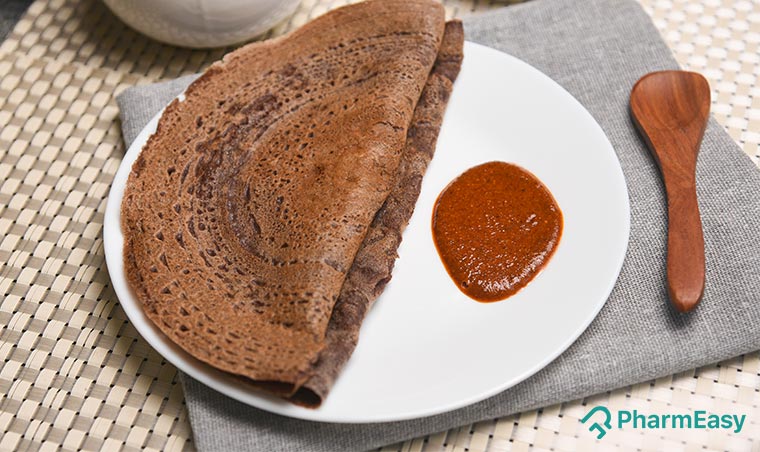
- Ragi Dosa/Uttapam: A healthier twist on the South Asian classic. Mix Ragi flour with rice flour (or skip rice flour for a lower-carb option) and fermented batter. Serve with sambar and coconut chutney. This provides fibre and protein to keep you full until lunch.
- Ragi Porridge (Ambali): A simple yet nourishing porridge made by cooking Ragi flour with liquid. You can sweeten it naturally with a touch of jaggery or honey, or make it savoury with buttermilk and spices. This is particularly popular in Karnataka and Maharashtra.
- Ragi Pancakes: Blend Ragi flour with mashed bananas, eggs (or flax eggs), and a dash of cinnamon for a healthy pancake breakfast. Top with fresh fruits instead of syrup.
Lunch and Dinner Delights:
Transform your main meals with the goodness of Ragi. The grain’s earthy flavour pairs well with various Indian spices and vegetables.
- Ragi Roti/Bhakri: A staple in many Indian households, Ragi rotis are a fantastic substitute for wheat rotis. Knead Ragi flour with warm liquid, shape into flatbreads, and cook on a griddle. These are incredibly filling and packed with nutrients. In many cases, enjoying these with a side of dal and sabzi provides a balanced meal.
- Ragi Mudde: A traditional Karnataka dish, Ragi mudde (dumplings) are made by cooking Ragi flour with liquid until it forms a stiff dough. It's typically eaten with a spicy lentil stew (Hulagga or Saaru). This dish is highly satiating and excellent for body mass management.
- Ragi Khichdi: Combine Ragi grains or flour with mixed vegetables and lentils for a wholesome one-pot meal. This provides a balanced mix of carbohydrates, protein, and fibre.
- Ragi Upma: A savoury preparation where Ragi flour is roasted and then cooked with liquid, along with vegetables and spices. It's a lighter alternative to traditional semolina upma.
Snacking Smart:
Combat mid-day hunger pangs with healthy Ragi snacks. These options are far superior to processed snacks commonly found in Indian markets.
- Ragi Crackers/Biscuits: Homemade Ragi crackers, seasoned with herbs and spices, are a crunchy and healthy snack. You can find many recipes online using minimal oil and jaggery.
- Ragi Puffs/Murukku: Savoury snacks made from Ragi flour, often enjoyed during festivals or as an evening snack. Opt for baked versions over fried ones to keep them body mass-loss friendly.
Ragi Recipes for Weight Loss: A Closer Look
Let's explore a couple of recipes in more detail, focusing on simplicity and health benefits.
1. Simple Ragi Porridge (Ambali)
Ingredients: 1/2 cup Ragi flour, 2 cups liquid (or milk for richer taste), pinch of salt, optional: jaggery/honey for sweetness, or buttermilk/spices for savoury version.
Instructions: In a saucepan, whisk the Ragi flour with cold liquid/milk until smooth. Bring to a boil, then reduce heat and simmer for 5-7 minutes, stirring constantly until it thickens. If making sweet porridge, stir in jaggery/honey after cooking. For savoury, let it cool slightly, then whisk in buttermilk and add roasted cumin powder, chopped coriander, and a pinch of salt. This is a 5-minute recipe, perfect for busy mornings.
2. Easy Ragi Roti/Bhakri
Ingredients: 1 cup Ragi flour, 1/4 teaspoon salt, approx. 3/4 cup warm liquid.
Instructions: In a bowl, combine Ragi flour and salt. Gradually add warm liquid, mixing with your fingertips until a soft, pliable dough forms. Be careful not to add too much liquid at once, as Ragi dough can become sticky. Knead for a minute. Take a portion of the dough, flatten it on a clean plastic sheet or a lightly floured surface into a thin circle (about 6 inches). Heat a tawa or flat griddle over medium heat. Place the roti on the hot tawa and cook for about 30 seconds on one side. Flip and cook the other side for about a minute, pressing gently with a spatula. Flip again and cook until small brown spots appear. You can also puff it directly over a flame if you prefer. Serve hot with your favourite dal or vegetable curry.
Nutritional Comparison: Ragi vs. Common Grains
Understanding how Ragi stacks up against commonly consumed grains like wheat and rice further highlights its benefits. While wheat and rice are staples, Ragi offers a superior nutritional profile in several key areas relevant to body mass management and overall health.
- Fibre Content: Ragi typically contains significantly more dietary fibre per 100g compared to refined wheat flour or white rice. For instance, Ragi has around 10-12g of fibre per 100g, while white rice has less than 1g, and whole wheat flour has about 10-11g but often with less bioavailable nutrients.
- Calcium: Ragi is exceptionally rich in calcium, often containing up to 10 times more calcium than wheat or rice. This is crucial for bone health, especially for women in India who are at higher risk of osteoporosis. India has a high prevalence of calcium deficiency, impacting millions.
- Iron: While Ragi's iron content is notable, its absorption can be enhanced by consuming it with Vitamin C-rich foods (like lemon juice in a salad or chutney). This is a usual dietary strategy in Indian cuisine.
- Gluten-Free: For individuals with celiac disease or gluten sensitivity, Ragi is a safe and nutritious alternative. Globally, the prevalence of celiac disease is estimated to be around 1% (WHO), and Ragi provides a viable option.
What should you actually do? Start by replacing one meal a day with a Ragi-based dish. For example, have Ragi rotis for dinner instead of wheat rotis, or opt for Ragi porridge instead of a sugary cereal for breakfast. Small, consistent changes are key to sustainable body mass reduction.
The numbers don't lie.
Potential Challenges and How to Overcome Them
While Ragi offers numerous benefits, some people might find its taste or texture challenging initially. Its slightly bitter or earthy flavour can be an acquired taste. Additionally, preparing Ragi dough can sometimes be tricky due to its gluten-free nature.
Taste Adaptation: Start by incorporating Ragi in dishes where its flavour is masked or complemented by other ingredients, like Khichdi or Upma with vegetables and spices. Gradually increase the proportion of Ragi. Using natural sweeteners like jaggery or dates, or flavourful spices, can make Ragi dishes more palatable. The IDF (International Diabetes Federation) also recommends exploring diverse whole grains for better dietary adherence.
Dough Preparation: For rotis and bhakris, using the right amount of warm liquid and kneading technique is crucial. Resting the dough for a few minutes can also help. If you find it difficult, try recipes that involve boiling Ragi flour into a porridge-like consistency first, then shaping (like Ragi Mudde).
Availability: Ragi flour is readily available in most Indian grocery stores and supermarkets across India. You can also find whole Ragi grains, which can be ground into flour at home for maximum freshness.
Honestly, embracing Ragi is a step towards a healthier lifestyle that honours India's rich agricultural heritage. It’s a testament to how traditional foods can effectively address modern health concerns like obesity and metabolic syndrome.
The Lancet has published numerous studies highlighting the role of dietary patterns, including the consumption of millets, in preventing chronic diseases.
Remember, body mass reduction is a journey, not a race. Consistency, patience, and a balanced approach are vital. Ragi can be a powerful ally in this journey, providing essential nutrients and promoting satiety without compromising on taste or cultural relevance.
Key Takeaways
- Ragi is a gluten-free ancient grain rich in fibre, protein, and essential minerals, making it excellent for body mass reduction.
- Its low glycemic index helps manage blood sugar levels and reduces cravings.
- Ragi can be easily incorporated into traditional Indian dishes like rotis, dosas, porridges, and upma.
- It offers superior nutritional benefits compared to refined grains like white rice and wheat flour, particularly in fibre and calcium content.
- Adapting to Ragi's taste and texture can be done by incorporating it gradually and using complementary flavours and spices.
Always consult a qualified physician before making any medical decisions.