Rambutan: Uses, Benefits, Side Effects, and More By Dr. Smita Barode
Meena, 45, a homemaker from Jaipur, noticed a peculiar, spiky red fruit at her local market during a recent visit. Intrigued, she bought some, having heard whispers of its sweet, juicy flesh. This curiosity mirrors that of many Indians encountering this exotic produce, a tropical delight gaining popularity beyond its traditional Southeast Asian strongholds.
As a senior medical content writer at Doctar, I’ve seen increasing interest in such unique offerings, prompting a closer look at this spiky fruit’s potential wellness impacts. But why does this happen? Our evolving palates and a growing emphasis on diverse nutrition drive this exploration.
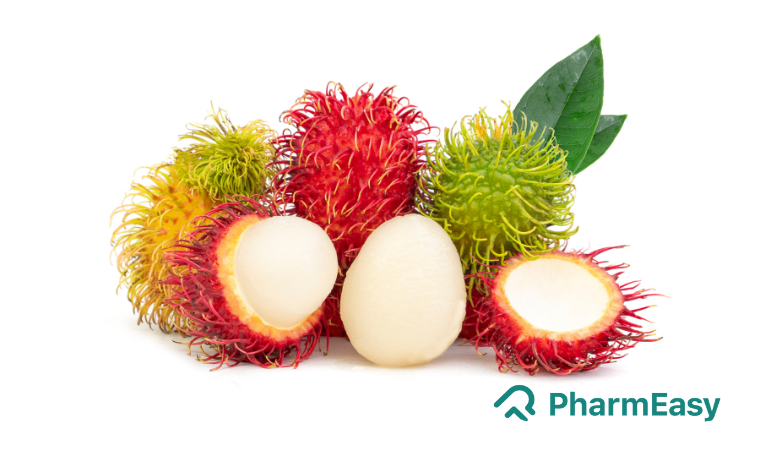
Rambutan, scientifically known as Nephelium lappaceum, is a tropical marvel belonging to the soapberry family (Sapindaceae), which also includes lychee and longan. Its name derives from the Malay word “rambut,” meaning “hair,” a fitting description for the produce’s characteristic hairy, leathery rind. The edible portion is a translucent, fleshy aril surrounding a seed. Practically speaking, understanding its nutritional profile and potential wellness advantages is crucial for informed dietary choices.
Nutritional Powerhouse: What's Inside Rambutan?
This spiky produce is more than just a visually striking item; it packs a significant nutritional punch. A 100-gram serving of fresh rambutan arils typically contains around 60-70 calories, making it a relatively low-calorie option. It is a good source of vitamin C, providing approximately 40-50% of the recommended daily intake (RDI).
This vital antioxidant makes a real difference in immune function and skin wellness. Additionally, rambutan offers a decent amount of dietary fiber, essential for digestive wellness and maintaining healthy blood glucose levels.
That alone changes everything.
The produce also contains smaller amounts of other essential nutrients, including vitamin A, iron, potassium, and calcium. While not a primary source for these, their presence contributes to the overall wellness benefits.
For instance, the iron content, though modest, can help prevent iron-deficiency anemia, a condition affecting a marked portion of the Indian population—over 50% of women and children, according to some reports. The potassium in rambutan aids in regulating blood pressure and fluid balance.
What most people miss is the presence of certain bioactive compounds. Rambutan contains phenolic compounds and flavonoids, which exhibit antioxidant and anti-inflammatory properties. These compounds combat oxidative stress, a key factor in chronic ailments. Research published in journals like Food Chemistry has highlighted the antioxidant capacity of rambutan extracts, suggesting their potential in disease prevention.
Wellness Benefits of Rambutan
The rich nutritional composition of rambutan translates into a variety of wellness benefits. Its high vitamin C content is a meaningful boon for the immune system. A robust immune system is paramount, especially in India, where seasonal infections are common.
Consuming vitamin C-rich foods can support the body ward off frequent colds and other infections more effectively. So what does that mean for you? It means incorporating this tropical delight into your diet can be a delicious way to support your body's natural defenses.
The numbers don't lie.
The dietary fiber present in rambutan contributes significantly to digestive wellness. Fiber adds bulk to stool, promoting regular bowel movements and preventing constipation—a widespread ailment, particularly for those with sedentary lifestyles or poor dietary habits. This fiber also plays a role in blood glucose management.
By slowing down the absorption of glucose, it helps prevent sharp spikes and crashes in blood glucose levels. This is particularly relevant for individuals managing or at risk of developing type 2 diabetes, a disorder affecting over 101 million Indians (ICMR, 2023).
Rambutan’s antioxidant properties are another key benefit. The phenolic compounds and flavonoids scavenge harmful free radicals, protecting cells from damage. This protection is vital in reducing the danger of chronic ailments such as heart disease and certain cancers.
While no single food can prevent these conditions, a diet rich in antioxidants, like one that includes rambutan, contributes to overall long-term wellness. The IDF (International Diabetes Federation) also emphasizes the role of diet in managing diabetes, and items with a moderate glycemic impact, like rambutan, can fit into such plans.
The numbers don't lie.
Worth knowing: Rambutan may also contribute to healthy skin. Vitamin C is essential for collagen production, a protein that maintains skin elasticity and structure.
Additionally, the antioxidants assist protect the skin from environmental damage, such as UV radiation, potentially slowing down the aging process. This makes rambutan a tasty addition to a beauty-from-within strategy.
In many cases, the produce’s minerals also support overall bodily functions. The iron aids in oxygen transport, crucial for energy levels and cognitive function. Potassium helps maintain healthy blood pressure, a factor frequently discussed in public health initiatives by institutions like the WHO.
Culinary Uses of Rambutan
Rambutan’s unique sweet and slightly tart flavour profile makes it a versatile ingredient in the kitchen. Fresh rambutan is often consumed on its own as a refreshing snack. Its juicy arils can be enjoyed directly after peeling the spiky skin—a process that can be quite satisfying. The texture is similar to lychee but often slightly firmer.
Beyond eating it fresh, rambutan can be used in various culinary preparations. It can be added to salads, providing a burst of exotic flavour and texture. Blended into smoothies or juices, it offers a tropical twist.
This is where most patients struggle.
Rambutan can also be incorporated into desserts like sorbets, jellies, and cakes. Its juice can be used to make syrups or glazes for pastries and meats.
In some Southeast Asian countries, rambutan is also preserved. It can be canned in syrup or dried for longer storage.
While fresh rambutan is increasingly available in Indian cities, especially during its season, these preserved forms offer year-round access. Imagine enjoying a hint of this tropical delight even during the monsoon season, perhaps in a chilled dessert.
What most people miss is its potential in savoury dishes. While less usual, the sweet-tartness of rambutan can complement certain spicy or savoury preparations, much like other tropical items. Experimenting with it in marinades or chutneys could yield interesting results.
Potential Side Effects and Precautions
While rambutan is generally considered safe for most people when consumed in moderation, there are a few potential side effects and precautions to consider. Due to its natural glucose content, excessive consumption can lead to a spike in blood glucose levels.
Individuals with diabetes or those monitoring their glucose intake should consume rambutan mindfully and preferably consult their healthcare provider for personalized advice. The ICMR’s guidelines on dietary management for diabetes could offer further context.
That's the part worth remembering.
Some individuals might experience mild digestive upset, such as bloating or stomach discomfort, especially if they are not accustomed to consuming high-fiber items. Starting with small portions is advisable.
As with any new food, allergic reactions, though rare, are possible. If you experience symptoms like itching, hives, or difficulty breathing after eating rambutan, discontinue use and seek medical attention.
The seeds of the rambutan produce are typically not consumed. While some traditional preparations might involve cooking the seeds, their safety and nutritional value are not well-established for general consumption.
It is best to avoid eating the raw seeds. Remember, the entire item—with its spiky exterior and seed—is not meant for eating whole; only the fleshy aril is palatable.
Additionally, the nutritional information can vary slightly depending on the variety of rambutan and growing conditions. For precise dietary planning, especially if you have specific wellness conditions, cross-referencing with reliable sources or consulting a nutritionist is recommended.
Most people overlook this completely.
The WHO’s recommendations on produce intake provide a general guideline.
Rambutan vs. Lychee: A Comparison
Rambutan and lychee are often compared due to their similar appearance and taste. Both are tropical items from the same family, Sapindaceae, and share a translucent white aril around a seed. However, there are distinct differences.
Rambutan has a rougher, hairier exterior, while lychee has a smoother, bumpy rind. Nutritionally, they are quite similar, both being good sources of vitamin C and fiber. Rambutan tends to be slightly less sweet and more tart than lychee, though this can vary.
Practically speaking, availability can be a factor. Lychees are generally more widely cultivated and available in India than rambutans. However, with increasing interest, rambutan is becoming more accessible in urban markets. Both items are excellent additions to a healthy diet, offering unique textures and flavours.
Cultivation and Availability in India
While native to Southeast Asia, rambutan cultivation is gradually finding its footing in some parts of India, particularly in the tropical and subtropical regions of Kerala, Tamil Nadu, and the Andaman and Nicobar Islands. The climate in these areas—warm temperatures and high humidity—is conducive to its growth.
Recovery is rarely linear.
As awareness and demand grow, we may see wider cultivation efforts.
Currently, fresh rambutan is most commonly found in larger metropolitan markets and specialized produce stores, especially during its peak season, which typically spans from May to August, depending on the region. Importing has also made it available in certain periods.
The price point can be higher than locally grown items, reflecting its exotic nature and import costs.
Key Takeaways
- Rambutan is a nutritious tropical item rich in Vitamin C and dietary fiber, offering around 60-70 calories per 100g.
- Its high Vitamin C content supports immune function, while fiber aids digestion and blood glucose control.
- Antioxidants in rambutan aid combat oxidative stress and may reduce the chance of chronic ailments.
- The item can be consumed fresh, added to salads and desserts, or used in beverages.
- Moderation is advised due to natural glucose content; individuals with diabetes should exercise caution.
Always consult a qualified physician before making any medical decisions.