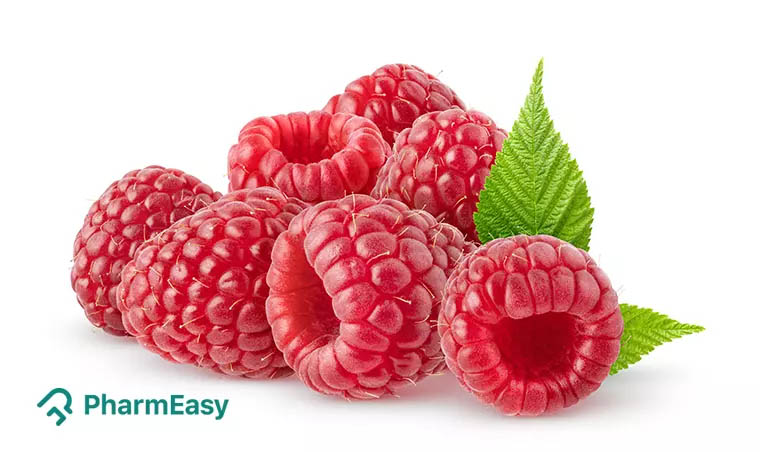
Raspberries: A Nutritional Powerhouse for Indian Households
Meena, 45, a homemaker from Jaipur, noticed her energy levels dipping significantly after her afternoon meal. She often felt sluggish, especially during the humid monsoon months when her appetite for heavier foods increased.
Her doctor suggested incorporating more fresh fruits and fibre into her diet. Meena, who enjoyed vibrant colours and natural sweetness, was intrigued when her physician mentioned raspberries – a fruit not as commonly found in traditional Indian markets as mangoes or guavas, but increasingly available and packed with wellness benefits.
Honestly, when we talk about superfoods, these red gems often get overshadowed by more mainstream berries. Yet, this tiny fruit packs a formidable punch For overall wellness. Its vibrant red hue isn't just for show; it signifies a rich concentration of potent compounds and vital nutrients.
For instance, a single cup (about 123 grams) of fresh raspberries provides approximately 64 calories and a substantial 8 grams of dietary fibre, which is over 30% of your recommended daily intake. This high fibre content is crucial for digestive wellness and can help manage blood sugar levels, a growing concern in India where over 101 million people are estimated to have diabetes (ICMR, 2023).
Most people overlook this completely.
Nutritional Profile of Raspberries
What most people miss: the sheer density of vitamins and minerals in raspberries is astounding. They are an excellent source of Vitamin C, offering about half of your daily requirement in just one cup. This vitamin is a potent defender against cellular damage that supports immune function and skin wellness.
Raspberries also contain manganese, a mineral essential for bone wellness and metabolism. They also provide smaller, yet significant, amounts of Vitamin K, folate, magnesium, and potassium. Think about it this way: incorporating a handful of these berries can significantly boost your micronutrient intake without adding many calories.
Key Wellness Benefits of Raspberries
1. Rich in Potent Compounds
Raspberries are loaded with protective compounds, particularly anthocyanins, which give them their characteristic red colour. These elements combat oxidative stress in the body by neutralising free radicals. Oxidative stress is linked to chronic diseases like heart disease, cancer, and neurodegenerative disorders. A study published in The Lancet highlighted the role of these compounds in reducing inflammation and protecting cellular damage. The protective capacity of raspberries is remarkably high, often ranking among the top fruits for this property.
2. Excellent Source of Fibre
As mentioned, the high fibre content in raspberries is a major advantage. Dietary fibre is essential for a healthy digestive system, promoting regular bowel movements and preventing constipation. It also makes a real difference in weight management by promoting satiety, making you feel fuller for longer.
For individuals managing diabetes, fibre helps slow down sugar absorption, leading to more stable blood glucose levels. The International Diabetes Federation (IDF) consistently recommends increased fibre intake for diabetic patients.
It sounds simple. It rarely is.
3. May Improve Blood Sugar Control
The combination of high fibre and relatively low sugar content makes raspberries a diabetic-friendly fruit. Unlike some other fruits that can cause rapid spikes in blood glucose, raspberries have a low glycemic index. This means they release sugar into the bloodstream slowly and steadily.
Studies suggest that the compounds in raspberries may even enhance insulin sensitivity. So what does that mean for you? It means you can enjoy their natural sweetness without significantly compromising your blood glucose management goals.
4. Support Heart Wellness
The potent compounds, fibre, and potassium found in raspberries all contribute to cardiovascular wellness. Anthocyanins have been linked to lower blood pressure and improved cholesterol levels. Potassium helps regulate blood pressure by counteracting the effects of sodium.
Consuming raspberries regularly can be a delicious way to support a heart-healthy diet, which is particularly important in India, where cardiovascular diseases are a leading cause of mortality. 7 million deaths in India annually.
Here's where it gets interesting.
5. Anti-inflammatory Properties
Chronic inflammation is a root cause of many diseases. The potent compounds in raspberries, especially ellagic acid and quercetin, possess considerable anti-inflammatory properties.
These elements assist to quell inflammation throughout the body, potentially alleviating symptoms associated with inflammatory conditions. This is especially relevant during times like the post-monsoon season in India, when inflammatory ailments can sometimes be more prevalent.
6. May Aid in Weight Management
For those aiming to shed a few kilos or maintain a healthy weight, raspberries can be a valuable ally. Their high fibre and water content promote feelings of fullness, reducing overall calorie intake. They are also low in calories themselves – a cup contains only about 64 calories.
This makes them an ideal snack or addition to meals for weight-conscious individuals. Think about incorporating them into your morning oats or a post-yoga smoothie.
Culinary Uses of Raspberries in India
While not a staple in traditional Indian cuisine, raspberries can be beautifully integrated. Imagine a light, refreshing raspberry and mint cooler, perfect for a hot afternoon, or a subtle raspberry swirl in your plain dahi (yogurt) instead of sugary jams. They can also add a burst of flavour and colour to salads, desserts like kheer or shrikhand, or even be blended into healthy smoothies.
Their tartness complements richer flavours, and their vibrant colour makes any dish visually appealing. Consider using them during festivals, perhaps as a topping for traditional sweets, offering a modern, healthy twist.
It sounds simple. It rarely is.
Potential Side Effects and Precautions
Raspberries are generally safe for most people when consumed in moderation. However, there are a few considerations. Some individuals might be allergic to raspberries, although this is rare. If you experience itching, swelling, or difficulty breathing after consuming them, seek medical attention immediately. But why does this happen? Allergic reactions are your immune system overreacting to a protein in the fruit.
For individuals with sensitive stomachs or those not accustomed to high fibre intake, consuming large quantities might lead to digestive discomfort like bloating or gas. It's advisable to start with small portions and gradually increase intake. Also, if you are on medication, particularly blood thinners due to their Vitamin K content, it’s wise to consult your doctor. Vitamin K can interfere with the efficacy of certain medications. Although not a common issue, pesticide residues can be a concern on any fruit; washing them thoroughly under running water is always recommended.
Where to Find Raspberries in India
Availability of fresh raspberries in India has increased significantly over the past decade, especially in larger cities and metropolitan areas. You can often find them in high-end supermarkets, gourmet food stores, and farmers' markets. During their peak season (typically winter and spring in some regions), prices might be more accessible.
Frozen raspberries are also a widely available and convenient option year-round, retaining most of their nutritional value and perfect for smoothies, baking, or adding to cereals. Online grocery platforms have also made them more accessible across different cities.
Most people overlook this completely.
Raspberry vs. Other Berries
While all berries offer wellness benefits, raspberries stand out for their exceptional fibre content. For example, compared to strawberries (about 2 grams per cup), raspberries offer nearly four times the fibre. Blueberries, while rich in potent compounds, have less fibre than raspberries.
Each berry has its unique strengths, but raspberries' fibre-to-calorie ratio is particularly impressive. This makes them a standout choice for digestive wellness and blood glucose management.
Raspberries and Specific Health Conditions
For individuals managing conditions like Polycystic Ovary Syndrome (PCOS), which is increasingly frequent, the low glycemic index and high fibre of raspberries can be beneficial in managing insulin resistance. Similarly, for those focused on gut wellness, the prebiotic fibre in raspberries can nourish beneficial gut bacteria. The anti-inflammatory properties may also offer comfort to those suffering from joint pain.
So what does that mean for you? It means that beyond general wellness, raspberries can offer targeted support for specific health challenges.
Incorporating Raspberries into Your Diet
Start small. Add a handful to your morning oatmeal or poha. Blend them into a smoothie with yogurt, banana, and a touch of honey. Use them as a topping for pancakes or whole-wheat toast with peanut butter.
Mix them into your evening dahi for a healthy dessert. Even a simple sprinkle over a bowl of cereal can make a difference. If using frozen raspberries, they can be added directly to smoothies or baked goods. The key is consistency and enjoying the process.
That alone changes everything.
Key Takeaways
- Raspberries are exceptionally high in dietary fibre, providing over 30% of the daily recommended intake per cup.
- They are a rich source of Vitamin C and manganese, supporting immunity and bone wellness.
- Raspberries have a low glycemic index, making them beneficial for blood glucose control and suitable for individuals with diabetes.
- Their high antioxidant content, particularly anthocyanins, helps combat oxidative stress and inflammation.
- Raspberries are generally safe, but moderation is advised, and thorough washing is recommended.
Always consult a qualified physician before making any medical decisions.