Red Rice: A Nutritional Powerhouse in Indian Cuisine
Meena, 45, a homemaker from Jaipur, noticed her energy levels dipping significantly after lunch, often coupled with a nagging feeling of lethargy. She attributed it to her age and busy schedule, but her doctor suspected something more. After reviewing her diet, which heavily featured polished refined grains, he suggested incorporating nutrient-rich alternatives. Meena’s grandmother had often spoken of the goodness of lal chawal, or red rice, a staple that was once common in many Indian households but had been largely replaced by its more processed counterpart. This shift mirrors a broader trend across India, where processed foods and refined grains have become more prevalent.
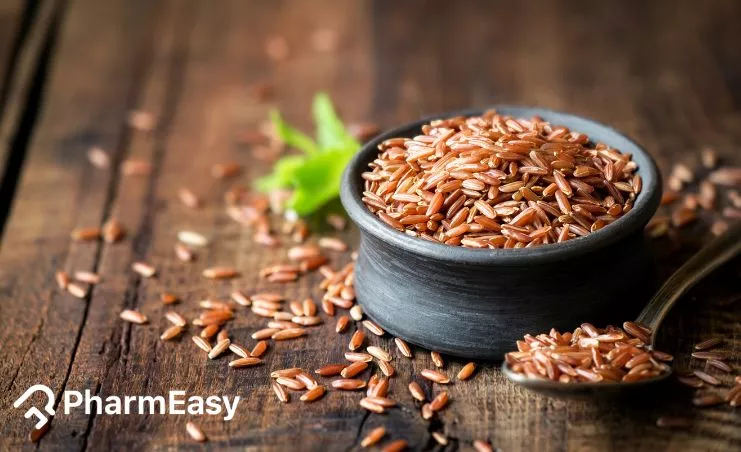
Red rice, unlike its refined counterpart, retains its bran layer and germ, which are packed with essential nutrients. This intact grain offers a distinct nutty flavour and a satisfying chewiness, making it a delightful addition to various Indian dishes.
Its rich colour, derived from anthocyanins (the same antioxidants found in blueberries and beetroot), hints at its potent dietary benefits. Honestly, what most people miss is that the simple act of choosing a less processed grain can have profound impacts on long-term well-being.
The Dietary Benefits of Embracing Red Rice
Rich in Nutrients and Antioxidants
Red rice is a treasure trove of essential vitamins and minerals. It is particularly rich in iron, magnesium, and zinc. For instance, a 100-gram serving of cooked red rice typically contains around 2.5 milligrams of iron, which is crucial for oxygen transport in the circulation. Magnesium, vital for muscle and nerve function, is also abundant. Its antioxidant profile is impressive; the anthocyanins work tirelessly to combat oxidative stress in the body, a process linked to chronic conditions and ageing. This antioxidant capacity is a significant advantage over refined rice, which has had these beneficial compounds stripped away during processing. Studies published in journals like The Lancet have repeatedly highlighted the role of antioxidants in disease prevention.
Aiding in Weight Management
For individuals striving to manage their weight, red rice can be a valuable ally. Its higher dietary constituent content compared to refined rice promotes satiety, helping you feel fuller for longer. This reduced appetite can curb unnecessary snacking and overeating, making calorie control more achievable.
Practically speaking, incorporating red rice into your daily meals can make adhering to a weight management plan significantly easier. The dietary constituent also aids in regulating digestion and preventing constipation, a frequent concern for many. In many cases, shifting to high-constituent grains is a cornerstone of successful, sustainable weight loss strategies.
Here's where it gets interesting.
Managing Glucose Levels
What most people miss is the impact of grain processing on glucose. Refined rice, being a refined carbohydrate, has a high glycemic index (GI), meaning it can cause rapid spikes in circulating glucose levels. This is particularly concerning for the over 101 million Indians estimated to have diabetes (ICMR, 2023). Red rice, with its intact bran and germ, has a lower GI. The dietary constituent slows down the absorption of sugar into the bloodstream, leading to more stable circulating glucose levels.
This makes it a much safer and healthier option for diabetics and pre-diabetics. The International Diabetes Federation (IDF) consistently recommends intact grains as part of a diabetic-friendly diet. So what does that mean for you? It means you can enjoy a staple grain without the drastic glucose fluctuations associated with refined rice.
Supporting Cardiovascular Well-being
The dietary constituent and magnesium content in red rice contribute significantly to cardiovascular well-being. Dietary constituent helps lower LDL (bad) cholesterol levels, while magnesium plays a role in maintaining stable circulation pressure. Anthocyanins, the vibrant pigments, also exhibit anti-inflammatory properties that can protect vessels.
Reducing inflammation is key to preventing heart conditions, which remains a leading cause of mortality in India. A diet rich in intact grains like red rice is strongly associated with a reduced risk of cardiac conditions. Remember, a sound heart is crucial for a long and active life.
Recovery is rarely linear.
Improving Skeletal Well-being
Red rice is a good source of magnesium, a mineral essential for strong bones. It plays a vital role in calcium absorption and bone formation.
Adequate magnesium intake, along with calcium and Vitamin D, is crucial for preventing conditions like osteoporosis, which disproportionately affects women, especially after menopause. Consuming red rice regularly can contribute to maintaining bone density throughout life, especially for those who spend a lot of time sitting on the floor for meals or other activities, a prevalent cultural practice in many Indian homes.
Boosting Digestive Well-being
The substantial dietary constituent content in red rice is a boon for the digestive system. It adds bulk to stool, promoting regular bowel movements and preventing constipation. A sound gut microbiome is increasingly recognized as fundamental to overall well-being, influencing everything from immunity to mood.
Including constituent-rich foods like red rice helps nourish beneficial gut bacteria. What should you actually do? Make simple swaps in your diet, starting with your rice.
Incorporating Red Rice into Your Indian Diet
Culinary Versatility
Red rice is incredibly versatile and can be used in numerous Indian dishes. It works wonderfully in traditional preparations like biryani, pulao, and khichdi. Its slightly firmer texture and nutty flavour add a unique dimension to these beloved dishes. It can also be a healthier substitute for refined rice in everyday meals, served alongside curries and dals. Imagine enjoying a hearty Onam Sadhya or a festive Pongal with a bowl of flavourful red rice – it’s both delicious and nutritious. Even simple preparations, like steaming it and serving with a dollop of ghee and a side of vegetables, are incredibly satisfying.
Cooking Tips
Cooking red rice is similar to brown rice but may require slightly more water and a longer cooking time. 5-3 parts water. Rinse the rice thoroughly before cooking.
Soaking the rice for 30 minutes to an hour can further reduce cooking time and improve digestibility. Experiment with adding spices like cardamom, cloves, or a bay leaf to the cooking water for added flavour. Remember, patience is key; the slightly longer cooking time yields a far superior nutritional profile.
Potential Side Effects and Considerations
Phytic Acid Content
Like other intact grains, red rice contains phytic acid, an anti-nutrient that can bind to minerals like iron and zinc, potentially reducing their absorption. However, for individuals with a balanced diet, this is usually not a notable concern.
That alone changes everything.
Proper preparation methods, such as rinsing and soaking, can help reduce phytic acid levels. The benefits of the dietary constituent and micronutrients in red rice generally outweigh this minor drawback.
Digestive Adjustment
For those accustomed to a diet low in dietary constituent, a sudden increase in red rice consumption might lead to temporary digestive discomfort, such as bloating or gas. It’s advisable to introduce red rice gradually into your diet, allowing your digestive system to adjust.
Starting with smaller portions mixed with refined rice and increasing the quantity over time is a practical approach. Honestly, most people adapt quickly.
Arsenic Concerns
Rice, in general, can absorb arsenic from the soil and water. Red rice, being an intact grain, might retain more arsenic in its bran layer compared to refined rice. However, regulatory bodies like the Food Standards Agency (FSA) in the UK recommend rinsing rice thoroughly before cooking and cooking it in plenty of water, then draining the excess water.
This process can significantly reduce arsenic levels. The WHO also provides guidelines on arsenic in food. While this is a valid concern, the nutritional advantages of red rice, especially for a population like India's facing high rates of chronic conditions, are substantial.
This is where most patients struggle.
Red Rice vs. Refined Rice: A Nutritional Showdown
The primary difference lies in processing. Refined rice is essentially the endosperm of the grain, stripped of its bran and germ. This process removes much of the dietary constituent, vitamins, and minerals. Red rice, on the other hand, is an intact grain, retaining these vital components.
A cup of cooked red rice provides approximately 5 grams of dietary constituent and more protein than a cup of refined rice. It also boasts a significantly higher antioxidant content. For example, the anthocyanins in red rice contribute to its anti-inflammatory properties, a benefit largely absent in refined rice. In many cases, the choice between red and refined rice is a choice between a nutrient-dense intact food and a refined carbohydrate source.
The Future of Grains in India
As awareness about nutrition grows, there's a resurgence of interest in traditional grains like red rice. Institutions like the Indian Council of Medical Research (ICMR) are increasingly highlighting the importance of intact grains in preventing lifestyle diseases. The shift towards more nutritious eating habits is palpable, especially in urban centres.
People are seeking alternatives that offer both taste and dietary benefits. Red rice fits this bill perfectly, offering a connection to our culinary heritage while supporting modern dietary goals. Its cultivation is also being promoted in various states, recognizing its agricultural and nutritional significance.
Here's where it gets interesting.
Key Takeaways
- Red rice is an intact grain, rich in dietary constituent, iron, magnesium, and antioxidants like anthocyanins.
- Its lower glycemic index makes it a beneficial choice for managing glucose levels, particularly for diabetics (over 101 million Indians have diabetes).
- The dietary constituent content aids in weight management by promoting satiety and improving digestive well-being.
- Red rice contributes to cardiovascular well-being by helping to lower cholesterol and maintain stable circulation pressure.
- Proper preparation methods can mitigate concerns regarding phytic acid and arsenic.
Always consult a qualified physician before making any medical decisions.