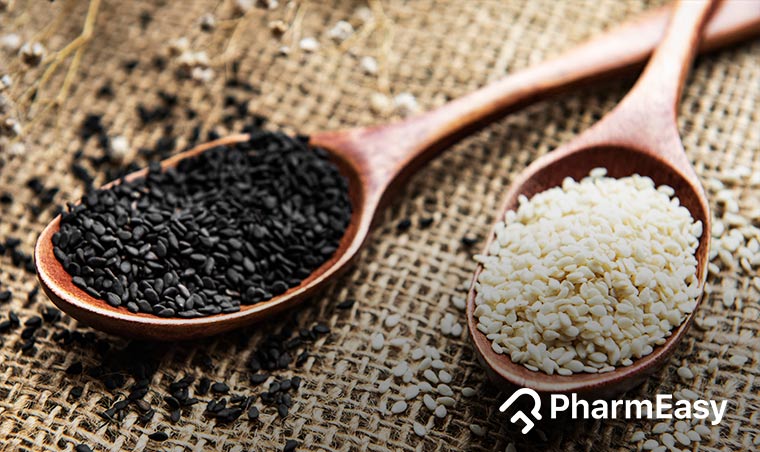
Tiny Powerhouses: The Remarkable Advantages of Sesame
Meena, 45, a homemaker from Jaipur, experienced noticeable hair thinning and brittle nails, a concern that had been troubling her for months. She also suffered from frequent joint discomfort, particularly during the monsoon season. Following a thorough medical evaluation, her doctor advised her to incorporate more nutrient-dense foods into her diet, specifically suggesting the humble sesame.
This small, unassuming seed, a culinary staple in Indian kitchens for centuries, is abundant with a remarkable array of compounds that promote well-being. What many overlook is the sheer nutritional density packed into these tiny powerhouses.
Sesame, known locally as 'til', ranks among the oldest oilseed crops cultivated by humankind, with origins tracing back thousands of years. Its distinctive nutty flavour and satisfying crunch make it a versatile ingredient, featured in everything from traditional Indian sweets like 'chikki' and 'ladoos' to savoury preparations and breads.
However, beyond its culinary appeal lies a wealth of scientifically validated advantages for your well-being. The truth is, these seeds are far more than just a simple garnish; they are a genuine superfood.
That's the part worth remembering.
Nutritional Profile: An In-Depth Examination
A 100-gram portion of whole, unhulled sesame provides a potent combination of macronutrients and micronutrients. They are an abundant provider of dietary fibre, delivering approximately 12 grams. Their protein content is substantial, around 18 grams, positioning them as a valuable addition for vegetarians and vegans seeking plant-based protein sources.
The fat content, though significant at about 50 grams per 100g, is primarily composed of beneficial unsaturated fats, including monounsaturated and polyunsaturated fatty acids. These fats are vital for cardiovascular function.
Additionally, sesame is rich in essential minerals. It stands as an excellent source of calcium, offering roughly 975 mg per 100g, which is indispensable for bone strength. Magnesium is also plentiful, contributing around 350 mg, important for muscle and nerve operation, blood sugar regulation, and blood pressure management.
Other noteworthy minerals include phosphorus, iron, zinc, and selenium. They also contain B vitamins, such as thiamine, niacin, and vitamin B6, which are crucial for energy metabolism.
Essential Vitamins and Minerals
- Calcium: Indispensable for robust bones and teeth.
- Magnesium: Supports nerve function and energy generation.
- Iron: Necessary for oxygen transport within the bloodstream.
- Zinc: Aids in immune system function and tissue repair.
- Selenium: Acts as a potent antioxidant agent.
Well-being Advantages of Sesame
The rich nutritional makeup of sesame translates into a wide array of positive impacts on your physical state. Have you ever considered why these small seeds are so highly regarded in traditional healing practices?
Here's where it gets interesting.
Bone Strength
The considerable calcium and phosphorus levels found in sesame make them exceptionally advantageous for maintaining robust skeletal structures. These minerals serve as the primary building blocks for bone tissue. Regular consumption of sesame can help mitigate bone density reduction, which is particularly notable as individuals age.
In India, where many traditional meals involve sitting on the floor, strong bones are crucial for comfort and mobility. Research published in esteemed journals like The Lancet has underscored the significance of adequate mineral intake in preventing osteoporosis. For example, consuming just 2-3 tablespoons of sesame daily can significantly contribute to your calcium needs.
Cardiovascular Function
Sesame offers major benefits for cardiovascular wellness. The presence of lignans (such as sesamin and sesamolin) and phytosterols aids in reducing cholesterol levels. Lignans are plant-derived compounds possessing antioxidant and anti-inflammatory characteristics, while phytosterols are known to impede cholesterol absorption in the digestive tract.
Studies suggest that consistent intake of sesame can enable lower LDL ('bad') cholesterol and elevate HDL ('good') cholesterol. The International Diabetes Federation (IDF) also acknowledges the role of beneficial fats in managing metabolic well-being, which is intrinsically linked to heart function. With over 101 million Indians diagnosed with diabetes (ICMR, 2023), prioritizing heart function is a paramount concern.
That alone changes everything.
Antioxidant and Anti-inflammatory Properties
Sesame is densely packed with antioxidants, most notably sesamol and sesamin. These compounds counteract oxidative stress generated by free radicals, which are unstable molecules capable of damaging cells and contributing to chronic conditions like cancer and heart disease.
The anti-inflammatory effects of these antioxidants can support alleviate persistent inflammation within the body. In practical terms, integrating these seeds into your diet is a straightforward yet effective method to enhance your body's protective mechanisms.
Blood Sugar Regulation
The fibre and beneficial fats present in sesame contribute to improved blood sugar regulation. Fibre slows the absorption of sugar into the bloodstream, preventing abrupt surges and subsequent drops. Certain compounds within sesame may also enhance insulin sensitivity.
While not a definitive treatment, they can be a valuable component of a balanced dietary plan for individuals managing diabetes. The World Health Organization (WHO) emphasizes dietary strategies for managing non-communicable diseases, and sesame aligns well with this approach.
Here's where it gets interesting.
Potential Support in Cancer Prevention
The antioxidant and anti-inflammatory characteristics of sesame may play a supportive role in cancer prevention. Compounds like sesamol have exhibited anti-cancer effects in laboratory investigations by hindering the proliferation of malignant cells and initiating apoptosis (programmed cell death).
Although further human studies are warranted, initial findings are encouraging. The sheer quantity of beneficial compounds suggests a protective effect.
Enhanced Digestive Processes
The considerable dietary fibre content aids in fostering a robust digestive system. Fibre adds bulk to stool, promoting regular bowel movements and preventing constipation.
It also functions as a prebiotic, nourishing beneficial gut bacteria. In many instances, digestive discomfort can be significantly alleviated with an increased intake of fibre from sources such as sesame.
Skin and Hair Vitality
The nutrients found in sesame, particularly zinc, vitamin E, and beneficial fats, are advantageous for skin and hair vitality. Zinc is essential for collagen synthesis, maintaining skin firmness and elasticity. Vitamin E acts as an antioxidant, shielding skin cells from damage.
The beneficial fats assist moisturize the skin and hair from within. Meena's concerns regarding thinning hair and brittle nails could potentially see improvement with consistent consumption.
Practical Ways to Include Sesame in Your Diet
Sprinkling toasted sesame over salads, stir-fries, or roasted vegetables introduces a delightful crunch and nutty aroma. They can be incorporated into smoothies for an added nutritional boost. Tahini, a paste derived from ground sesame, is a cornerstone ingredient in hummus and a delicious spread on its own.
This is where most patients struggle.
In India, 'til' is frequently ground and combined with jaggery (unrefined cane sugar) to create nourishing sweets, especially popular during winter festivals like Makar Sankranti. Gingelly oil, extracted from sesame, is widely utilized in Indian culinary practices and for therapeutic purposes.
You can also integrate them into baked goods such as bread, muffins, and cookies. A straightforward yet reliable method involves adding a tablespoon or two to your morning oatmeal or yogurt. Even a light sprinkle on curries or lentil dishes can enhance their flavour profile and nutritional value.
Possible Adverse Effects and Considerations
While generally safe for most individuals, consuming excessive amounts of sesame can lead to certain adverse effects. Allergies to sesame are becoming more common, and individuals with a known sesame sensitivity should strictly avoid them. Symptoms can range from minor skin eruptions to severe anaphylaxis.
But what triggers this reaction? Allergic responses are the body's immune system overreacting to specific proteins within the food.
A high intake of fibre, if not matched by adequate fluid consumption, can occasionally cause bloating or abdominal discomfort. It is advisable to increase fibre intake gradually and drink plenty of water. On top of that,, the marked oxalate levels in sesame might be a concern for those prone to kidney stones, although this is less frequent with moderate consumption.
It sounds simple. It rarely is.
For individuals on anticoagulant medication, One thing stands out: sesame may possess mild blood-thinning properties, making prior consultation with a healthcare provider prudent. The recommended daily intake is typically around 1-2 tablespoons.
Sesame Compared to Other Edible Seeds
When contrasted with other popular edible seeds like chia or flax, sesame offers a distinct nutritional profile. While chia and flax are often recognized for their omega-3 fatty acid content, sesame stands out due to its exceptional mineral richness, particularly in calcium and magnesium. They also contain lignans, which are present in lesser amounts in other commonly consumed seeds.
The caloric density is comparable across most seeds, underscoring their role as energy-dense foods. Each type of seed provides unique advantages, making a varied seed consumption ideal.
Essential Takeaways
- Sesame is abundant in vital minerals like calcium, magnesium, and iron, which are crucial for bone strength and overall well-being.
- Its beneficial fats, lignans, and phytosterols contribute to improved cardiovascular function by lowering cholesterol levels.
- Rich in antioxidants, they assist in combating oxidative stress and may offer protection against chronic illnesses.
- The fibre component supports digestion and can aid in blood sugar regulation.
- While highly beneficial, moderation is key, and individuals with sesame allergies or specific health conditions should proceed with caution.
Always seek advice from a qualified medical professional before making any health-related decisions.