Soy Milk: A Look at its Uses, Advantages, and Possible Reactions
Meena, 45, a homemaker from Jaipur, found her inability to process lactose made traditional cow's milk difficult to digest. She began exploring alternatives. Have you ever pondered why? Many people in India encounter similar digestive challenges, particularly during festive periods when rich, dairy-heavy sweets are prevalent. Soy milk, a plant-derived beverage, has become a well-liked option.
But what exactly is it, and how does it align with our wellness objectives? Truly, grasping its role is vital for making informed food choices. This piece, put together by Dr. Rajeev Singh, aims to illuminate the varied nature of soy milk.
Understanding Soy Milk
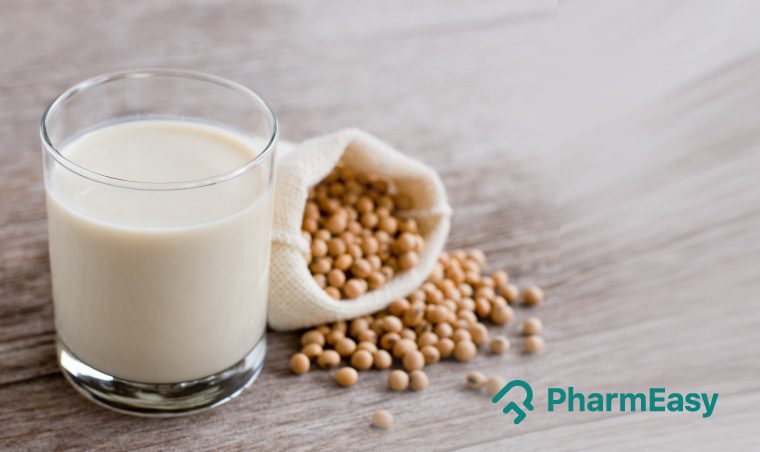
Soy milk is created by soaking dried soybeans in water, pulverizing them, and then filtering the mixture to remove the solid remnants. The resulting liquid is a smooth, white drink often enriched with vitamins and minerals. Its global appeal has grown, including in India, as a practical substitute for cow's milk.
In numerous instances, it's a favored selection for those with lactose intolerance or individuals following vegan or vegetarian eating patterns. The International Diabetes Federation (IDF) emphasizes the increasing necessity for varied food selections to effectively manage medical conditions.
That alone changes everything.
Nutritional Content and Advantages
Soy milk possesses an impressive nutritional makeup. It is a complete protein source, meaning it contains all nine essential amino acids that the body cannot synthesize independently. This is a significant plus, especially for vegetarians and vegans.
A standard 240ml serving of unsweetened soy milk provides around 7-9 grams of protein, similar to cow's milk. Consider this: it delivers a substantial protein boost without the cholesterol present in dairy. On top of that,, it's a good source of potassium, magnesium, and isoflavones.
Heart Wellness Champion
One of soy milk's most lauded advantages is its positive influence on cardiovascular well-being. Scientific inquiry, including research featured in The Lancet, has suggested that soy protein can assist in reducing LDL (bad) cholesterol levels. Over 101 million people in India have diabetes (ICMR, 2023), a condition frequently associated with elevated cholesterol. Consuming soy milk as part of a balanced diet might help decrease the likelihood of heart issues. The absence of cholesterol in soy milk, combined with its favorable fat composition (primarily polyunsaturated and monounsaturated fats), makes it a heart-conscious choice. Worth noting: substituting high-saturated-fat dairy with soy milk can be a straightforward yet impactful dietary adjustment.
Bone Wellness Support
For bone strength, soy milk can serve as a valuable aid. Many commercially available soy milk products are enhanced with calcium and Vitamin D, crucial nutrients for robust bones. This enrichment is particularly advantageous in India, where traditional diets may sometimes fall short on adequate calcium intake, especially for women.
Osteoporosis is an escalating concern, and ensuring sufficient calcium and Vitamin D is paramount. While it doesn't perfectly replicate the bone-density gains of dairy for everyone, its fortified versions offer a substantial contribution. The World Health Organization (WHO) underscores the significance of calcium-rich foods in preventing bone frailty.
It sounds simple. It rarely is.
Menopausal Symptom Relief
Soy isoflavones, often termed 'phytoestrogens', have attracted attention for their capacity to ease menopausal symptoms. These compounds can imitate estrogen in the body, potentially lessening the frequency and intensity of hot flashes experienced by many women during menopause.
Although individual outcomes differ, some studies indicate a modest yet perceptible improvement. This area is subject to ongoing investigation, but for many women, soy milk offers a natural dietary method for navigating this life transition.
Diabetes Management Assistance
For individuals managing diabetes, soy milk can be a helpful addition. Unlike cow's milk, which contains lactose (a natural sugar), soy milk has a lower glycemic index, meaning it causes a more gradual and smaller increase in blood sugar levels post-consumption. This is critical for maintaining steady glucose readings.
Combined with its protein content, which promotes fullness, soy milk can aid in weight management – a key element in diabetes control. Keep in mind, unsweetened varieties are preferable to avoid added sugars.
Here's where it gets interesting.
Uses of Soy Milk in Indian Cookery
Integrating soy milk into Indian dishes is surprisingly adaptable. Beyond simply drinking it, it can be employed in numerous ways. Picture preparing a smooth dal tadka or a rich korma by using soy milk instead of dairy cream. It performs exceptionally well in blended drinks, particularly with regional fruits like mango or banana.
For those who enjoy tea, soy milk can be utilized, although the taste may vary slightly from traditional milk tea. It can also form the foundation for vegan renditions of popular Indian desserts like kheer or rasmalai. Seating on the floor during meals is a common custom in many households across India; having a readily accessible, easily digestible substitute like soy milk makes enjoying traditional meals more comfortable for those with dietary limitations.
Possible Adverse Effects and Considerations
While soy milk provides many advantages, it's important to be mindful of potential drawbacks. Firstly, soy allergies can occur. Although less frequent than other food sensitivities, certain individuals may experience negative reactions. Those with a known soy allergy should strictly avoid soy milk. Secondly, questions have been raised regarding soy's effect on thyroid activity.
For people with existing thyroid conditions, particularly hypothyroidism, seeking medical advice is recommended. Soy contains goitrogens, which can interfere with thyroid hormone production in susceptible individuals, especially if iodine consumption is insufficient. However, for the general populace with adequate iodine intake, moderate consumption is generally deemed safe. What should you actually do? Always discuss major dietary shifts with your medical practitioner, especially if you have underlying health concerns.
The numbers don't lie.
Phytoestrogen Discussions
The phytoestrogen content in soy milk is a subject of ongoing dialogue. While beneficial for menopausal warning signs, some express concern about possible hormonal interference. Nevertheless, extensive research, including analyses in respected publications like the *American Journal of Clinical Nutrition*, indicates that moderate intake of soy-based foods does not adversely affect hormone levels in most adults.
The effects are generally considered subtle compared to the body's inherent estrogen. Honestly, the key lies in moderation and understanding your own body's reactions.
Digestive Discomforts
Some individuals might encounter mild digestive unease, such as gas or bloating, upon initially incorporating soy milk into their diet. This is often attributable to the fiber content or specific carbohydrates present in soybeans.
Commencing with small quantities and gradually increasing intake can benefit the digestive system adapt. If indicators persist, other plant-based milk alternatives might prove more suitable.
Selecting the Appropriate Soy Milk
When choosing soy milk at the store, opt for unsweetened versions to bypass unnecessary added sugars. Examine the label for enrichment with calcium and Vitamin D, particularly if you are relying on it as a primary source of these nutrients.
Reviewing the ingredient list is also vital to confirm the absence of unwanted additives or allergens. Brands commonly found in India frequently cater to local preferences, but always prioritize nutritional value and purity.
It sounds simple. It rarely is.
Summary
Soy milk offers a nutritious and adaptable substitute for cow's milk, providing marked advantages for cardiovascular well-being, bone density (when fortified), and potentially alleviating menopausal warning signs. Its complete protein composition makes it valuable for vegetarians and vegans. While possible adverse effects like allergies and digestive issues exist, they are manageable for most.
By selecting unsweetened, fortified options and consulting with medical professionals when needed, soy milk can be a wholesome and advantageous inclusion in the Indian diet. Always seek guidance from a qualified physician before making any medical choices.
Key Takeaways:
- Soy milk serves as a complete protein source, advantageous for vegetarians and vegans.
- It may assist in lowering LDL cholesterol levels, supporting cardiac wellness.
- Fortified soy milk aids in calcium and Vitamin D intake for skeletal strength.
- Unsweetened selections are advised for managing blood sugar fluctuations.
- People with soy sensitivities or thyroid conditions should proceed with caution and consult a doctor.