Green Onions: A Culinary Powerhouse for Your Well-being
Meena, 45, a homemaker from Jaipur, noticed her usual morning vigour dipping significantly, especially after indulging in richer festival foods during Diwali. She often felt bloated and sluggish.
Her doctor suggested incorporating more fresh, fibrous vegetables into her diet, and Meena remembered her grandmother always adding finely chopped green onions to almost every savoury dish, from dal to sabzi. This simple, aromatic ingredient, often overlooked, is a treasure trove of nutrients and wellness advantages.
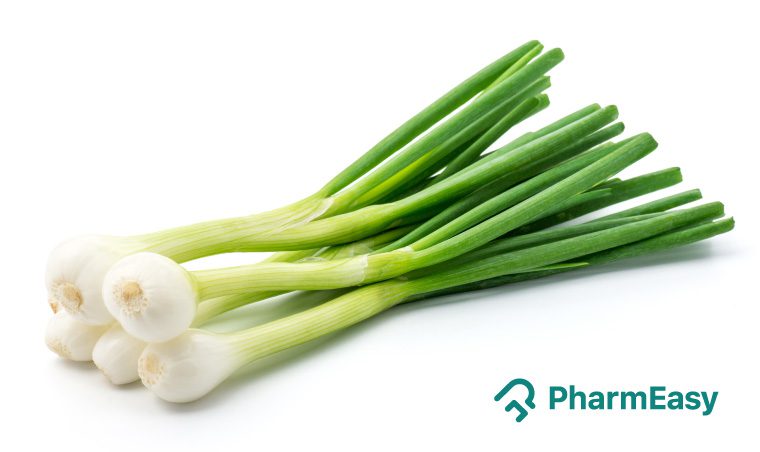
Green onions, also known as scallions, are a staple in Indian kitchens. Their mild, pungent taste and crisp texture enhance countless dishes. Beyond their culinary appeal, these vibrant green stalks and white bulbs offer significant wellness advantages. Worth knowing: their nutritional profile is quite impressive for such a humble vegetable.
Nutritional Profile of Green Onions
A cup of chopped green onions (about 80 grams) is a low-calorie, nutrient-dense food. They are an excellent source of Vitamin K, providing over 200% of the daily recommended intake. This vitamin is crucial for skeletal strength and proper clotting.
Additionally, green onions are rich in Vitamin C, an antioxidant that supports the immune system and skin wellness. They also contain Vitamin A, folate, and smaller amounts of other B vitamins.
Minerals are also present in notable amounts. You’ll find potassium, important for pressure regulation, and manganese, involved in metabolism and skeletal formation.
The sulphur compounds, responsible for their characteristic pungent aroma and taste, are believed to contribute significantly to their wellness advantages. These compounds, like allicin, are also found in garlic and are the subject of much ongoing research.
Recovery is rarely linear.
Wellness Advantages of Green Onions
The benefits of incorporating green onions into your diet are numerous and well-documented. Their rich vitamin and mineral content, coupled with potent antioxidants, makes them a valuable addition to a wholesome eating plan.
Skeletal Strength
The exceptionally high Vitamin K content in green onions plays a vital role in bone metabolism. Vitamin K is essential for the synthesis of osteocalcin, a protein that strengthens bones and helps prevent fractures.
Adequate Vitamin K intake is linked to a lower risk of osteoporosis, a condition that affects millions globally. For instance, studies suggest that a deficiency in Vitamin K can compromise bone mineral density.
Immune System Support
With a substantial amount of Vitamin C, green onions act as a powerful immune booster. Vitamin C is a potent antioxidant that helps protect cells from damage caused by free radicals. It also makes a real difference in the production and function of white cells, which are the body's primary defence against infections.
This is where most patients struggle.
Have you ever wondered why citrus fruits and leafy greens are so often recommended during cold season? Green onions offer a similar, albeit less concentrated, benefit.
Cardiac Wellness
The sulphur compounds found in green onions, such as allicin, have been studied for their potential cardiovascular benefits. Allicin may help lower pressure and reduce cholesterol levels.
Potassium, another key nutrient present, also contributes to maintaining healthy pressure by counteracting the effects of sodium. Research published in journals like The Lancet has explored the cardioprotective effects of allium vegetables.
Antioxidant Properties
Green onions are packed with various antioxidants, including flavonoids and Vitamin C. These compounds combat oxidative stress, a process linked to chronic diseases like cancer, cardiac conditions, and premature aging. The vibrant green parts are particularly rich in these protective phytonutrients.
Glucose Level Management
Interestingly, some research suggests that green onions may assist in managing glucose levels. The sulphur compounds might enhance insulin sensitivity or activity.
While not a primary treatment, their inclusion in a balanced diet could be beneficial for individuals monitoring their glucose. Over 101 million Indians have diabetes (ICMR, 2023), making dietary strategies crucial.
Digestive Wellness
The fibre content in green onions aids in promoting healthy digestion. Fibre adds bulk to stool, preventing constipation and supporting regular bowel movements. A healthy gut microbiome is increasingly recognised as fundamental to overall well-being.
Most people overlook this completely.
Culinary Uses of Green Onions in Indian Cuisine
In India, green onions are incredibly versatile. They are not just a garnish but an integral taste component. Does this sound familiar?
The crunch of finely chopped green onions sprinkled over piping hot khichdi or dal tadka. They are used extensively in stir-fries, noodle dishes, and savoury pancakes (like 'cheelas'). The white bulbs can be sautéed to build a taste base for curries, while the green stalks are often used raw for freshness and colour.
Practically speaking, they elevate simple dishes. Think of them tossed into vegetable pulao, mixed into omelettes, or stuffed into parathas alongside potatoes or paneer.
Their mildness compared to mature onions makes them suitable for dishes where a less pungent taste is desired, especially during warmer months when people tend to prefer lighter meals. Even during the monsoon season, when food safety is a concern, thoroughly washed green onions can add zest to meals without being too heavy.
Potential Side Effects and Precautions
While green onions are generally safe for most people, some individuals might experience adverse effects, particularly when consumed in very large quantities or if they have specific sensitivities. Honestly, like any food, moderation is key.
Digestive Upset
For some, the high fibre content and sulphur compounds can lead to gas, bloating, or stomach cramps, especially if their digestive system is not accustomed to them. Starting with small amounts is advisable.
That alone changes everything.
Allergies
Although rare, allergies to onions and related allium vegetables can occur. Symptoms might include hives, itching, or difficulty breathing. If you suspect an allergy, discontinue use and consult a doctor.
Clotting Medication Interactions
Due to their Vitamin K content, individuals taking anti-clotting medications like warfarin should consume green onions with caution. Vitamin K plays a role in clotting, and excessive intake could potentially interfere with the medication's effectiveness.
The World Health Organization (WHO) recommends consistent Vitamin K intake for sufferers on anticoagulants.
Heartburn
For individuals prone to heartburn or acid reflux, consuming raw green onions might sometimes trigger or worsen warning signs due to their pungent nature.
Incorporating Green Onions into Your Diet
Adding green onions to your meals is easy and adds a burst of taste and nutrients. Chop the green and white parts separately. Use the white parts for cooking, sautéing them with other vegetables or aromatics.
The green tops can be used raw as a garnish for soups, salads, stir-fries, or sandwiches. They are a fantastic substitute for mature onions in many recipes, offering a milder taste profile.
Consider adding them to your morning omelette, sprinkling them over a bowl of steaming noodles, or mixing them into your favourite raita for a refreshing twist. If you're preparing a traditional Indian meal, a scattering of fresh green onions can elevate even the simplest dal and rice.
That's the part worth remembering.
Even sitting on the floor during a family meal, a fresh bowl of salad with green onions can be a delightful addition.
Key Takeaways
- Green onions are rich in Vitamin K, Vitamin C, and antioxidants, supporting skeletal strength, immunity, and cellular protection.
- They contain beneficial sulphur compounds that may contribute to cardiac wellness and glucose level management.
- Culinary uses in India are diverse, enhancing taste in everything from dals to stir-fries.
- Potential side effects include digestive upset and interactions with anti-clotting medication; moderation is advised.
- Over 101 million Indians have diabetes (ICMR, 2023), highlighting the importance of dietary choices like incorporating nutrient-rich vegetables.
Always consult a qualified physician before making any medical decisions.