Suji (Semolina): A Staple in Indian Kitchens - Understanding Its Benefits and Risks
Meena, 45, a homemaker from Jaipur, noticed a persistent dullness in her skin and occasional digestive unease. Her family doctor, after a routine check-up, suggested incorporating more nutritious grains into her diet. This led Meena down a path of rediscovering an ingredient already present in her kitchen: suji, also known as semolina or rava.
It’s a common sight in Indian households, often featuring in breakfast dishes and festive sweets. But what exactly is suji, and how does it impact our health? Let's explore its multifaceted role.
What is Suji (Semolina)?
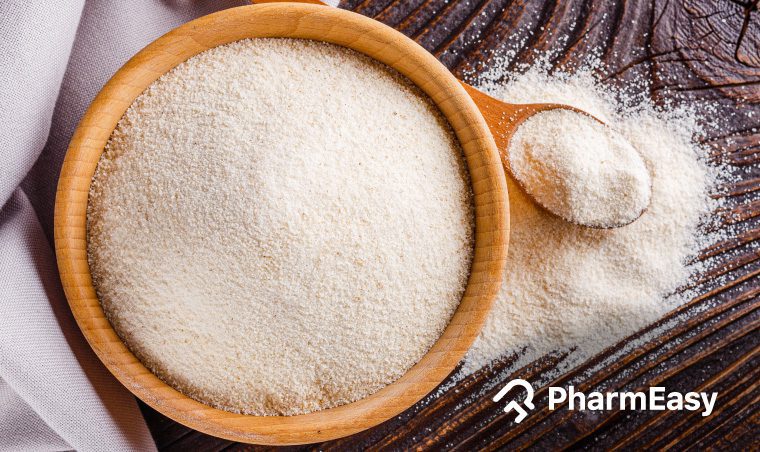
Suji is a coarse flour made from durum wheat, a hard variety of wheat. The grains are milled and sifted to produce a product that ranges in texture from fine to coarse, depending on the milling process.
In India, it’s a versatile ingredient, forming the base for popular dishes like upma, idli, dosa (when fermented with other flours), halwa, and laddu. Its popularity stems from its quick cooking time and ability to absorb flavours beautifully.
Nutritional Profile of Suji
Understanding the nutritional breakdown of suji is key to appreciating its impact on health. A 100-gram serving of enriched semolina typically contains:
- Calories: Around 360 kcal
- Carbohydrates: Approximately 73 grams
- Protein: About 13 grams
- Fat: Less than 2 grams
- Fiber: Roughly 3 grams
Additionally, enriched suji often contains added iron and B vitamins like folic acid, thiamine, and riboflavin. These micronutrients are vital for energy production and cell function. In many cases, the fortification process aims to compensate for nutrients lost during milling.
That alone changes everything.
Think about it this way: while unrefined grains are superior in certain nutrients, enriched semolina offers a convenient way to boost iron and B vitamin intake for many. This makes it a practical addition to a balanced diet.
Health Benefits of Suji (Semolina)
The advantages of incorporating suji into your diet are numerous, provided it's consumed in moderation and as part of a balanced meal plan. Its primary strengths lie in its energy provision and its contribution to specific nutrient needs.
Energy Provider
Suji is primarily composed of carbohydrates, which are the body's main source of energy. This makes it an excellent choice for a quick energy boost, especially for breakfast. The complex carbohydrates in semolina are digested relatively slowly, providing sustained energy release throughout the morning.
This can help in avoiding mid-morning slumps. Practically speaking, a bowl of upma can power you through your morning chores or work.
Rich in Protein
With approximately 13 grams of protein per 100 grams, suji contributes significantly to your daily protein intake. Protein is crucial for building and repairing tissues, producing enzymes and hormones, and supporting overall body function.
Recovery is rarely linear.
For vegetarians, incorporating protein-rich sources like suji can be particularly beneficial. What most people miss: while not a complete protein source on its own, it complements other protein sources in a meal effectively, enhancing the overall amino acid profile.
Source of Iron
Iron is essential for carrying oxygen in the blood and preventing anaemia. Enriched suji often contains added iron, making it a valuable component of the diet, especially for women and children who are more susceptible to iron deficiency. According to the National Family Health Survey (NFHS-5), anaemia affects a significant portion of the Indian population, particularly women of reproductive age.
Consuming iron-fortified foods like suji can support combat this public health challenge. The Indian Council of Medical Research (ICMR) recommends regular intake of iron-rich foods.
Contains B Vitamins
The B vitamins found in suji—such as thiamine (B1), riboflavin (B2), niacin (B3), and folate (B9)—play critical roles in metabolism, nerve function, and red blood cell formation. Folate, in particular, is vital for cell growth and is especially important during pregnancy.
These vitamins are crucial for converting food into energy efficiently. The World Health Organization (WHO) highlights the importance of adequate B vitamin intake for maintaining overall health and well-being.
Recovery is rarely linear.
Digestive Health (with caveats)
, by adding vegetables to upma) and consumed in moderation, suji can be part of a healthy digestive routine. The dietary roughage content, though modest, aids in bowel regularity. However, the type of suji matters. Refined semolina has less dietary roughage than unrefined grain semolina.
In many cases, the way suji is prepared—often with ghee and sweeteners in dishes like halwa—can negate some of its benefits. But why does this happen? High-fat and high-sweetener preparations can lead to increased calorie intake and potential digestive discomfort for some individuals.
Potential for Blood Sugar Management
Suji has a moderate glycemic index (GI), meaning it can cause a gradual rise in blood sugar levels compared to highly refined carbohydrates. This makes it a potentially better option than white bread or sugary cereals for individuals managing their blood sugar. However, this benefit is significantly influenced by portion size and accompanying ingredients.
For individuals with diabetes, monitoring their intake and pairing suji with protein and roughage-rich foods is crucial. Over 101 million Indians have diabetes (ICMR, 2023), making dietary choices paramount for managing this condition.
The numbers don't lie.
Suji in Indian Culinary Traditions
Suji is deeply woven into the fabric of Indian cuisine, appearing in diverse forms across different regions. During the monsoon season, a hot bowl of vegetable upma is a comfort food for many. Festivals often see the preparation of rich suji halwa or ladoos, celebrating abundance and sweetness.
Even the simple act of sitting on the floor to enjoy a meal of idli or dosa made with suji-based batter is a cultural touchstone for many families. This ingredient’s adaptability allows it to be a part of everyday meals and special occasions alike, reflecting its importance in the culinary landscape.
Potential Side Effects and Considerations
While suji offers several benefits, it’s essential to be aware of potential downsides, particularly concerning gluten content and preparation methods.
Gluten Content
As suji is made from wheat, it contains gluten. Individuals with celiac disease, non-celiac gluten sensitivity, or wheat allergies must avoid suji entirely. Gluten is a protein complex that can trigger severe autoimmune reactions or digestive distress in sensitive individuals.
The prevalence of celiac disease in India is estimated to be around 1-2%, though underdiagnosis is widespread. This necessitates careful consideration for those with these conditions.
High Glycemic Index (in certain preparations)
While suji has a moderate GI, its effect on blood sugar can be amplified by how it's prepared. Dishes like suji halwa, often loaded with sweeteners and ghee, can lead to rapid blood sugar spikes.
This is a critical consideration for diabetics and those aiming for weight management. The International Diabetes Federation (IDF) consistently advises careful carbohydrate management to prevent adverse health outcomes.
Recovery is rarely linear.
Low Fibre Content (in refined versions)
Refined suji, which is most commonly available, has a lower dietary roughage content compared to unrefined grain flour. A diet lacking sufficient dietary roughage can lead to constipation and other digestive issues. What should you actually do?
Opt for unrefined grain semolina (often labelled as 'atta rava' or 'whole wheat suji') whenever possible, or ensure your suji-based meals are rich in vegetables and other dietary roughage sources. Adding carrots, peas, and beans to upma significantly boosts its dietary roughage content.
Calorie Density
Many popular Indian dishes made with suji, such as halwa and ladoos, are calorie-dense due to the addition of sweeteners, ghee, and nuts. Excessive consumption of these preparations can contribute to weight gain and related health problems.
A single serving of traditional suji halwa can contain upwards of 300-400 calories, often with a high proportion of saturated fat and sweeteners.
Incorporating Suji Healthily
To maximise the benefits of suji while minimising risks, consider these practical tips:
- Choose Unrefined Grain Suji: Whenever possible, opt for unrefined grain semolina for a higher dietary roughage content.
- Balance Your Meal: Pair suji dishes with protein (like yogurt or sprouts) and plenty of vegetables to slow down digestion and improve nutrient absorption. A serving of curd with your upma is a good example.
- Control Portions: Be mindful of serving sizes, especially with calorie-dense preparations.
- Reduce Added Sweeteners and Fat: Modify traditional recipes by using less sweetener and ghee. Consider natural sweeteners or fruit purees for flavour.
- Monitor Blood Sugar: If you have diabetes, track your blood glucose levels after consuming suji-based meals and adjust accordingly.
Key Takeaways
- Suji (semolina) is a versatile ingredient made from durum wheat, widely used in Indian cooking.
- It provides energy, protein, iron, and B vitamins, with fortified versions offering enhanced nutritional value.
- Individuals with gluten intolerance or celiac disease must avoid suji due to its wheat content.
- Healthier consumption involves choosing unrefined grain suji, balancing meals with protein and dietary roughage, and limiting added sweeteners and fats.
- Over 101 million Indians have diabetes (ICMR, 2023), underscoring the need for mindful carbohydrate intake from sources like suji.
Always consult a qualified physician before making any medical decisions.