11 Ways of Keeping Yourself Fit and Well During the Warm Season
Meena, 45, a homemaker from Jaipur, noticed a persistent lack of energy and frequent headaches as the mercury climbed. Like many people in India, she initially dismissed these as common discomforts of the hot spell. However, as the heat intensified, her symptoms worsened, impacting her daily routines and vitality.
This scenario is all too familiar across India during the scorching months leading up to the monsoon. Maintaining well-being and physical condition becomes paramount when temperatures rise, and the environment presents unique challenges. Practically speaking, simple adjustments to lifestyle, diet, and physical activity can make a significant difference in how you feel and function.
Fluid Intake: The Cornerstone of Warm-Season Wellness
The human body is composed of about 60% fluid, and this percentage is crucial for virtually every bodily function. During warm periods, increased perspiration leads to substantial fluid loss, making insufficient intake a marked risk. Low fluid levels can manifest as fatigue, dizziness, dry mouth, and reduced urine output.
In severe cases, it can lead to heat exhaustion or even life-threatening heatstroke. Have you ever wondered why staying adequately replenished is so heavily emphasized during hot weather? It's because your body is working overtime to cool itself down, and fluid is its primary coolant.
Most people overlook this completely.
1. Drink Plenty of Fluids
Plain fluid is your best friend. Aim for at least 8-10 glasses (around 2-3 litres) of plain fluid daily. Don't wait until you feel parched; thirst is already a sign of mild depletion.
Carrying a reusable container is a practical habit to encourage constant sipping throughout the day. Consider adding slices of cucumber, mint, or lemon for flavour and added nutrients.
2. Embrace Rehydrating Beverages
While fluid is essential, other drinks can aid in replenishment. Coconut liquid, readily available across India, is an excellent source of electrolytes like potassium, which helps restore what you lose through sweat. Aam Panna, a traditional Indian drink made from raw mangoes, is known for its cooling properties and ability to prevent heatstroke.
Buttermilk (chaas) and fresh fruit juices (diluted with fluid) are also beneficial. Honestly, many traditional Indian drinks are perfectly suited for the demands of this season.
3. Limit Dehydrating Drinks
Caffeinated beverages like tea and coffee, as well as sugary sodas and alcohol, can have a diuretic effect, increasing fluid loss. While moderate consumption might be fine for some, it’s best to limit them during peak warm periods. What should you actually do? Prioritize plain fluid and natural replenishing options over these.
Dietary Adjustments for the Warm Season
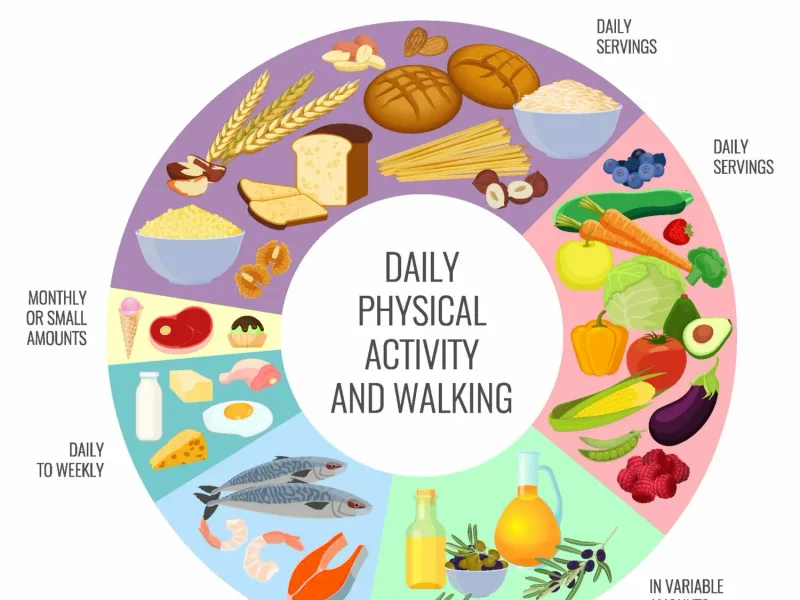
What you eat plays a vital role in how your body copes with the heat. A light, nutrient-rich diet can help keep you cool and energized. Sustenance, after all, provides the building blocks and fuel for our bodily processes.
4. Focus on Fluid-Rich Foods
Incorporate fruits and vegetables with high liquid content into your meals. Melons, cucumber, oranges, strawberries, and bell peppers are excellent choices. These items not only hydrate but also provide essential vitamins and minerals. Including these in your diet is a delicious way to boost your fluid intake.
That alone changes everything.
5. Opt for Light, Easily Digestible Meals
Heavy, oily, and spicy dishes can increase your body's internal temperature and make you feel sluggish. Choose lighter options like salads, steamed vegetables, curd-based dishes, and lentil soups.
Traditionally, many Indian households switch to lighter fare during warmer months, a practice rooted in sound well-being principles. For instance, consuming curd (dahi) is a frequent and beneficial practice.
6. Be Mindful of Festival Diets
This season often coincides with festivals in India, which can mean indulging in richer dishes. While enjoying celebrations is important, be mindful of portion sizes and opt for healthier preparations when possible. Perhaps choose baked or grilled versions of traditional sweets or snacks over fried ones.
Smart Physical Activity Strategies
Staying active is crucial for overall well-being, but engaging in physical exertion during peak warm weather requires careful planning. The chance of heat-related illnesses increases significantly if you're not cautious.
7. Exercise During Cooler Hours
Schedule your workouts for the early morning or late evening when temperatures are lower. Avoid strenuous activities during the hottest part of the day (typically 10 AM to 4 PM). What most people miss: the subtle but notable impact of engaging in activity in the shade or indoors during peak heat.
Recovery is rarely linear.
8. Stay Indoors or Seek Shade
If outdoor activity is unavoidable, choose shaded areas or parks with ample tree cover. Consider indoor pursuits like yoga, gym workouts, or swimming, which offer a controlled environment. The Lancet has published studies highlighting the increased possibility of heatstroke associated with outdoor exertion during extreme temperatures.
9. Listen to Your Body
Pay close attention to signals from your body. If you feel dizzy, nauseous, or excessively tired, stop immediately. Rest in a cool place and replenish your fluids. Pushing yourself too hard in the heat can have serious consequences. In many cases, overexertion is the primary trigger for heat-related emergencies.
Additional Tips for Warm-Season Well-being
Beyond fluid intake, diet, and physical activity, several other practices contribute to a healthy warm period.
10. Protect Your Skin and Eyes
The sun's UV rays are strongest during this season. Wear protection with a high SPF, a wide-brimmed hat, and sunglasses when outdoors. Seek shade whenever possible. Sunburns not only damage the skin but can also contribute to fluid depletion and heatstroke.
11. Maintain Good Hygiene
Warmer temperatures can increase the likelihood of foodborne illnesses and other infections. Ensure proper food handling and storage. Wash your hands frequently.
Staying clean helps prevent the spread of germs, which can thrive in the heat. The World Health Organization (WHO) consistently emphasizes hygiene as a critical public health measure, especially during warmer months.
It sounds simple. It rarely is.
The International Diabetes Federation (IDF) notes that managing blood sugar levels can be more challenging in this season due to lifestyle changes and increased thirst. For individuals with diabetes, consistent fluid replenishment and careful dietary choices are even more critical.
Over 101 million Indians have diabetes (ICMR, 2023), underscoring the importance of proactive well-being management for a major portion of the population.
Remember Meena’s story. Her initial discomforts, if addressed promptly with proper fluid intake and rest, might have been easily managed. Instead, her neglect led to a more pronounced impact on her well-being.
Have you ever experienced a similar situation where a minor warm-period ailment escalated? Learning to recognise and respond to your body's signals is key. Embracing these 11 strategies can aid you navigate the warm months feeling refreshed, energized, and well.
Always consult a qualified physician before making any medical decisions.
Key Takeaways
- Prioritize fluid intake by drinking at least 2-3 litres of fluid daily and consuming fluid-rich items like melon and cucumber.
- Incorporate traditional Indian replenishing drinks such as coconut liquid and aam panna, while limiting depleting beverages like excessive caffeine and alcohol.
- Adjust your diet to include lighter, easily digestible meals and be mindful of rich festival dishes.
- Schedule outdoor physical activity for cooler morning or evening hours and opt for indoor or shaded pursuits during peak heat.
- Protect your skin and eyes from the strong seasonal sun using protection, hats, and sunglasses.