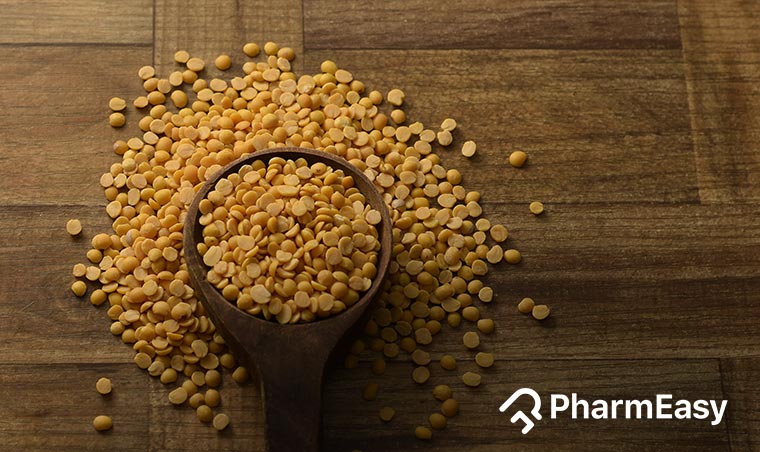
Toor Dal: A Staple in Indian Cuisine and a Nutritional Powerhouse
Meena, 45, a homemaker from Jaipur, noticed her blood sugar levels creeping up during her last annual check-up. Her doctor suggested dietary changes, and she immediately thought of the humble Toor Dal, a staple in her daily meals. This lentil, also known as Arhar Dal or Pigeon Pea, is more than just a comfort food; it's a nutritional powerhouse that forms the backbone of countless Indian dishes.
In India, pulses are not merely food items; they are deeply ingrained in our cultural fabric, frequently featuring prominently during festivals and everyday meals alike. The sheer variety of dals consumed across the country is staggering, with Toor Dal being one of the most popular. Over 101 million Indians have diabetes (ICMR, 2023), making dietary choices like Meena's increasingly relevant.
Nutritional Profile: What Makes Toor Dal So Special?
Toor Dal is a fantastic source of plant-based protein, essential for muscle repair and growth. A 100-gram serving of prepared Toor Dal typically contains around 9 grams of this vital nutrient.
It's also rich in dietary elements that aid digestion and promote fullness. Think about it this way: that feeling of satisfaction after a hearty dal meal isn't just about the volume; it's the beneficial components working their magic.
Beyond protein and fiber, this lentil offers a good dose of complex carbohydrates for sustained energy release. It's a treasure trove of essential micronutrients, including folate (vitamin B9), crucial for cell growth and DNA formation.
That alone changes everything.
Additionally, it provides significant amounts of iron, vital for oxygen transport in the blood—iron deficiency anaemia affects a substantial portion of the Indian population, particularly women.
Minerals like magnesium, potassium, and phosphorus are also present, contributing to bone health, blood pressure regulation, and nerve function. The glycemic index (GI) of Toor Dal is generally considered moderate, making it a suitable choice for individuals managing their blood sugar levels, unlike refined carbohydrates that cause rapid spikes.
Health Benefits of Incorporating Toor Dal
The benefits of making Toor Dal a regular part of your diet are numerous and well-documented.
Diabetes Management
What most people miss: Toor Dal can be a valuable ally in managing diabetes. Its high fiber content slows down the absorption of sugar into the bloodstream, preventing sharp post-meal glucose spikes. The protein content further contributes to a lower glycemic response.
Studies published in journals like 'The Lancet' have highlighted the role of legume consumption in improving glycemic control in diabetic individuals. Consuming approximately 1 cup (around 200g prepared) of Toor Dal daily could significantly contribute to better blood sugar management for individuals with type 2 diabetes.
Weight Management
For those aiming to shed a few kilos, Toor Dal is an excellent choice. Its combination of protein and fiber promotes a feeling of fullness, reducing overall calorie consumption.
This can be particularly helpful during the monsoon season when cravings for fried snacks frequently increase. A study by the National Institute of Nutrition (NIN) in Hyderabad indicated that increased legume consumption is associated with lower body mass index (BMI).
That alone changes everything.
Heart Health
The potassium in Toor Dal helps regulate blood pressure, a critical factor in maintaining cardiovascular health. Its fiber content also plays a role in lowering LDL ('bad') cholesterol levels.
The World Health Organization (WHO) recommends increasing dietary fiber consumption to reduce the risk of heart disease. Regular consumption, perhaps 3-4 times a week, can contribute positively to heart health.
Digestive Health
The abundant dietary fiber acts as a prebiotic, feeding beneficial gut bacteria and promoting a healthy digestive system. It helps prevent constipation and other digestive discomforts. Adequate fiber consumption, around 25-30 grams per day, is recommended for optimal gut function.
Pregnancy and Lactation
Folate is exceptionally important during pregnancy for preventing neural tube defects in the developing fetus. Toor Dal is a rich source of this vital nutrient.
Pregnant women in India are frequently encouraged to consume dals regularly as part of a balanced diet. The recommended daily consumption of folate for pregnant women is around 600 micrograms (mcg).
Potential Side Effects and Precautions
While Toor Dal is generally safe and beneficial, some individuals might experience side effects. But why does this happen?
The high fiber content, while beneficial, can cause digestive issues like bloating, gas, and abdominal discomfort, especially if you're not accustomed to a high-fiber diet or if consumed in very large quantities. Starting with smaller portions and gradually increasing consumption can help your digestive system adapt.
For individuals with kidney problems, particularly those requiring a low-protein or low-potassium diet, consulting a doctor or a registered dietitian is crucial. While protein is essential, excessive consumption might be detrimental for certain medical conditions.
The numbers don't lie.
Similarly, the purine content in lentils can be a concern for individuals with gout, potentially leading to increased uric acid levels. A typical serving of Toor Dal contains about 50-70 mg of purines.
What should you actually do? If you experience persistent digestive discomfort after consuming Toor Dal, reduce your portion size or try soaking the dal for a longer period before preparing it. Soaking helps break down some of the complex carbohydrates and phytic acid, making it easier to digest and improving nutrient absorption.
Culinary Uses and Preparation Tips
Toor Dal is incredibly versatile. It’s the base for the ubiquitous sambar, a South Indian staple often enjoyed with idli or dosa, especially during the festive season of Pongal.
It forms the heart of many Gujarati dals, like 'Chhilka Dal', and is a common accompaniment to rice and roti across North India. The preparation frequently involves soaking the dal for a few hours, pressure cooking it until tender, and then tempering it with spices like cumin seeds, mustard seeds, asafoetida (hing), turmeric, and sometimes curry leaves and chopped onions or tomatoes.
Worth knowing: Proper preparation is key. Ensure the dal is thoroughly cooked to avoid digestive issues. Pressure cooking significantly reduces preparation time and makes the dal softer. Adding a pinch of asafoetida (hing) during preparation can also aid digestion.
It sounds simple. It rarely is.
Toor Dal vs. Other Dals
Each dal has its unique nutritional profile and culinary application. Masoor Dal (red lentils) prepares faster and has a smoother texture, frequently used in simple, everyday preparations. Moong Dal (yellow lentils) is considered easier to digest and is frequently used in khichdi and baby food.
Chana Dal (split chickpeas) has a firmer texture and a slightly nutty flavour, frequently used in thicker curries and snacks. Toor Dal, with its distinct flavour and texture, holds a special place, frequently requiring a bit more preparation time but delivering a satisfyingly rich taste and nutritional punch.
Key Takeaways
- Toor Dal is a rich source of protein (approx. 9g per 100g prepared) and dietary fiber, aiding digestion and satiety.
- It benefits diabetes management by slowing sugar absorption and is heart-healthy due to its potassium and fiber content.
- The lentil is a good source of folate, crucial for pregnant women, and helps in weight management due to its protein and fiber combination.
- Potential side effects include bloating and gas due to high fiber; moderation and proper preparation are advised.
- Toor Dal is a versatile ingredient used in iconic Indian dishes like Sambar and various regional dal preparations.
Always consult a qualified physician before making any medical decisions.