10 Best Complex Starches To Help Manage Blood Levels!
Meena, 45, a homemaker from Jaipur, noticed her persistent fatigue and frequent thirst. These symptoms, coupled with a family history of a metabolic disorder, prompted her to consult a doctor. Her subsequent diagnosis of type 2 metabolic disorder sent ripples of concern through her family.
Like many Indians, Meena's diet traditionally included a significant portion of complex starches, often refined ones, during meals enjoyed while sitting on the floor – a common cultural practice. Understanding which complex starches to choose became her immediate priority. This guide is for individuals like Meena, seeking clarity on complex starch choices that can aid in managing blood levels effectively, especially within the context of an Indian diet.
The relationship between complex starches and blood levels is often misunderstood. Starches are a primary source of energy for our bodies, but their impact on blood readings varies significantly depending on their type and how they are processed. What most people miss: not all complex starches are created equal.
Some can lead to rapid spikes in blood readings, while others offer a slow, steady release of energy, promoting satiety and better metabolic control. For the over 101 million Indians estimated to have metabolic disorder (ICMR, 2023), making informed complex starch choices is paramount.
Here's where it gets interesting.
Understanding Glycemic Index (GI) and Glycemic Load (GL)
To navigate this complex landscape, understanding the Glycemic Index (GI) and Glycemic Load (GL) is crucial. The GI ranks foods based on how quickly they raise blood readings after consumption. Foods with a high GI (70 or higher) cause a rapid rise, whereas those with a low GI (55 or lower) lead to a slower, more gradual increase.
Glycemic Load (GL), on the other hand, considers both the GI of a food and the amount of starches in a typical serving. A lower GL indicates a smaller impact on blood readings.
Honestly, focusing on low-to-medium GI and GL foods can be a game-changer for blood reading management. Does this sound familiar? Many traditional Indian staples, like white rice and maida-based products, tend to have a higher GI.
This doesn't mean you have to eliminate them entirely, but understanding alternatives and modifications is key. Here's the thing — incorporating whole grains, legumes, and certain vegetables can significantly improve your dietary profile.
The Best Complex Starches for Blood Reading Management
Choosing the right complex starches can assist prevent sharp blood reading spikes, reduce cravings, and boost overall health. Here are 10 excellent complex starch sources that are beneficial for managing blood readings:
It sounds simple. It rarely is.
1. Whole Oats
Oats are a powerhouse of soluble dietary material, particularly beta-glucan. This dietary material forms a gel-like substance in the digestive tract, slowing down the absorption of energy. A study published in The Lancet highlighted the benefits of beta-glucan in improving glycemic control. Opt for steel-cut or rolled oats over instant varieties, which often have a higher GI. A typical serving of 100g of rolled oats has a GI of around 55.
2. Quinoa
This ancient grain-like seed is a complete protein and boasts a low to medium GI (around 53). Its high dietary material content (about 5g per cooked cup) further aids in slow energy release. Quinoa is versatile and can be used in place of rice or other grains in various Indian dishes, from upma to pulao.
3. Barley
Barley, especially pearled barley, has a GI of around 25-35, making it one of the lowest-GI grains available. It's rich in dietary material and resistant starch, which ferments in the gut and positively impacts insulin sensitivity.
Replacing white rice with barley in your meals can lead to a more stable blood reading response. A 100g serving of cooked barley contains approximately 17g of starches.
4. Legumes (Dal, Beans, Lentils)
In many cases, legumes are a cornerstone of the Indian diet for good reason. Lentils (dal), chickpeas (chana), kidney beans (rajma), and black-eyed peas (lobia) are packed with protein and dietary material. Their GI typically ranges from 10-40, depending on the type and preparation.
They provide sustained energy and assist keep you feeling full. For example, a cup of cooked lentils provides about 40g of starches with a substantial amount of dietary material.
5. Sweet Potatoes
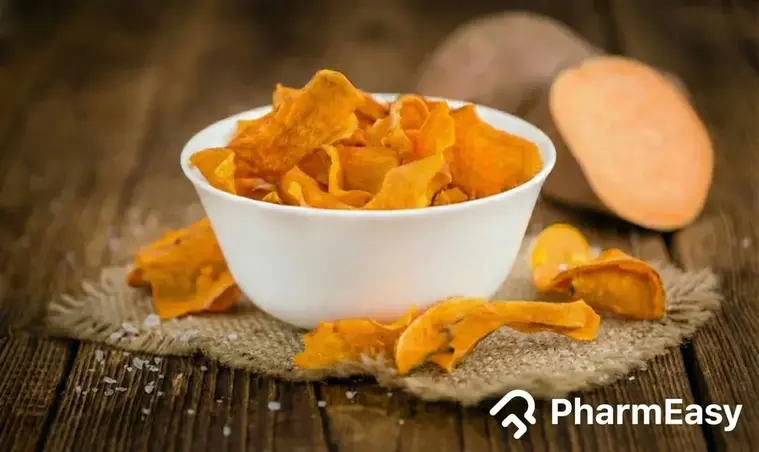
Unlike their starchy white potato counterparts, sweet potatoes generally have a lower GI (around 44-61, depending on preparation). They are rich in vitamins A and C, and dietary material.
Baked or steamed sweet potatoes are a healthier alternative to fried snacks often consumed during festivals. A medium sweet potato (about 114g) contains roughly 26g of starches.
6. Buckwheat
Despite its name, buckwheat is not related to wheat and is gluten-free. It has a low GI (around 45) and is a good source of magnesium, which plays a role in energy metabolism. Buckwheat can be incorporated into rotis or used as a porridge. It's a less widespread but highly beneficial grain.
The numbers don't lie.
7. Berries
While technically fruits, berries like strawberries, blueberries, and raspberries are lower in sweetness and higher in dietary material compared to many other fruits. They have a low GI and are packed with antioxidants.
A cup of mixed berries contains approximately 15g of starches and is an excellent addition to breakfast cereals or as a standalone snack.
8. Chia Seeds
These tiny seeds are nutritional powerhouses, primarily composed of soluble dietary material. When mixed with liquid, they form a gel, slowing digestion and energy absorption. Chia seeds have virtually no impact on blood readings and are loaded with omega-3 fatty acids.
Add them to yogurt, smoothies, or water. A 2-tablespoon serving (about 28g) contains roughly 12g of starches, mostly from dietary material.
9. Amaranth (Rajgira)
Often consumed during fasting periods in India, amaranth is a pseudo-cereal that is gluten-free and has a moderate GI. It's rich in protein, dietary material, and essential minerals like iron and magnesium. Amaranth flour can be used to make rotis or ladoos. It offers about 21g of starches per cooked cup.
10. Non-Starchy Vegetables
While not typically considered primary starch sources, non-starchy vegetables like spinach, broccoli, cauliflower, bell peppers, and gourds (lauki, tori) are vital. They are very low in digestible starches and calories but high in dietary material, vitamins, and minerals.
It sounds simple. It rarely is.
They benefit fill you up without significantly impacting blood readings. The International Diabetes Federation (IDF) recommends filling half your plate with non-starchy vegetables.
Why These Choices Matter
But why does this happen? Choosing complex starches with a lower GI and higher dietary material content helps prevent the rapid influx of energy into the bloodstream. This steadier supply of energy supports better insulin function and can reduce the risk of complications associated with metabolic disorder.
For instance, consistently consuming high-GI foods can lead to insulin resistance over time, a precursor to type 2 metabolic disorder. The World Health Organization (WHO) estimates that metabolic disorder will be the seventh leading cause of death by 2030. Making conscious food choices is a powerful preventative measure.
Incorporating these complex starches can also aid in weight management, a crucial aspect of metabolic disorder care. High-dietary material foods promote satiety, helping to curb overeating.
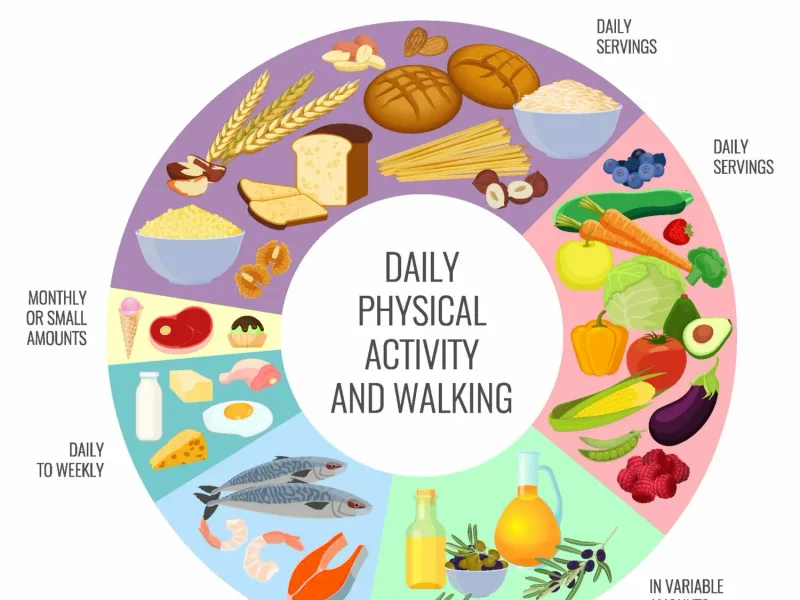
Remember that portion control remains important, even with healthy complex starch sources. A balanced plate often includes a source of lean protein, healthy fats, and plenty of these beneficial starch-rich foods.
Practical Tips for an Indian Diet
Adapting these choices to an Indian culinary context is straightforward. Instead of white rice, try a mix of white and brown rice, or switch to quinoa or barley for your main meals. Use whole wheat flour (atta) or a blend of flours like jowar, bajra, and ragi for your rotis instead of refined maida.
It sounds simple. It rarely is.
Include a variety of dals and sabzis (vegetable dishes) in every meal. During the monsoon season, when digestive health can be a concern, opting for easily digestible whole grains and cooked vegetables is advisable. Be mindful of added sweeteners in traditional sweets and snacks, especially around festivals like Diwali or Holi.
Consider the cooking methods. Steaming, boiling, baking, or stir-frying are generally preferable to deep-frying.
Even when using higher-GI foods like rice, strategies such as cooling cooked rice before consumption can increase its resistant starch content, thereby lowering its GI. Consulting with a registered dietitian or a healthcare professional at institutions like AIIMS can provide personalized dietary advice tailored to your specific needs and cultural preferences.
Key Takeaways
- Prioritize whole grains like oats, quinoa, barley, and buckwheat for sustained energy release.
- Legumes are excellent sources of protein and dietary material with a low impact on blood readings.
- Non-starchy vegetables should form a marked part of your daily intake.
- Understanding GI and GL helps in making informed food choices.
- Modifying traditional Indian recipes with healthier complex starch options is key to management.
Always consult a qualified physician before making any medical decisions.