Understanding Iron: Why It's Crucial for Your Well-being
Meena, 45, a homemaker from Jaipur, noticed she was constantly tired, her skin pale, and her breath short even after climbing a single flight of stairs. Her doctor suspected a lack of iron, a widespread condition affecting millions in India. Iron is a vital mineral, essential for producing hemoglobin, the protein in red blood cells responsible for carrying oxygen from your lungs to the rest of your body. Without adequate iron, your body cannot produce enough healthy red blood cells, leading to fatigue and weakness.
Have you ever wondered why? This shortage can significantly impact your daily life, reducing productivity and overall well-being. In many cases, simple dietary adjustments can make a world of difference.
Globally, insufficient iron is the most common nutritional shortfall. In India, the prevalence is particularly high, especially among women and children. According to the National Family Health Survey (NFHS-5), approximately 57% of women aged 15-49 years suffer from anemia, with insufficient iron being the primary culprit. This staggering figure underscores the urgent need to focus on iron-rich edibles within the Indian diet.
What most people miss is that iron comes in two forms: heme and non-heme. Heme iron, found in animal products, is more readily assimilated by the body. Non-heme iron, present in plant-based edibles, is less readily assimilated, but its assimilation can be significantly enhanced by consuming it with vitamin C-rich edibles.
That's the part worth remembering.
The Impact of Insufficient Iron on Your Body
The consequences of not getting enough iron extend beyond mere tiredness. A lack of iron can manifest in various ways. You might experience headaches, dizziness, brittle nails, cold hands and feet, and even unusual cravings for non-edible items like ice or dirt (a issue called pica).
For children, chronic iron shortage can impair cognitive development and affect their academic performance. Think about it this way: your body is a finely tuned machine, and iron is one of its most critical lubricants. When the lubricant runs low, everything starts to sputter and slow down.
Honestly, the impact on mental clarity and focus can be profound. Many students and working professionals attribute their struggles with concentration to inadequate iron levels without realizing it.
6 billion people worldwide, with India bearing a significant burden. This is why understanding the best origins of iron and incorporating them into your daily meals is so important.
Top 10 Iron-Rich Edibles for an Indian Diet
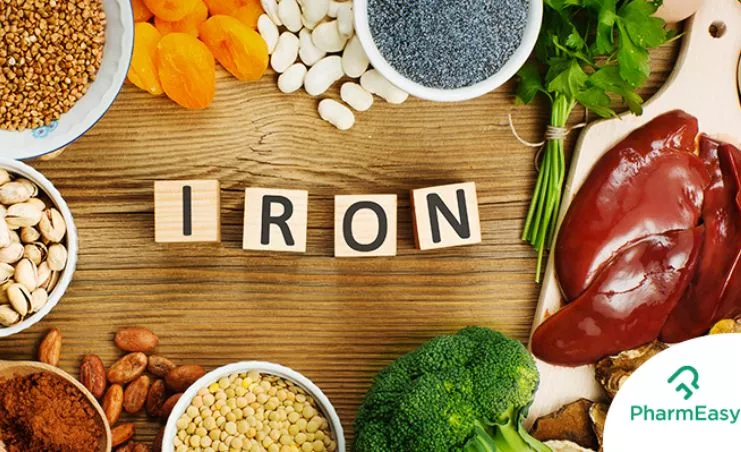
Incorporating iron-rich edibles into your diet doesn't have to be complicated or expensive. Many readily available ingredients in Indian kitchens are excellent origins of this vital mineral. Here are ten powerhouse edibles you should consider adding:
1. Spinach (Palak)
This leafy green is a nutritional giant. 4 mg of iron. Spinach is also packed with vitamins A, C, and K, as well as folate.
To maximize iron assimilation, pair it with vitamin C origins like lemon juice or tomatoes. Remember, while delicious, many traditional Indian preparations involve cooking spinach for extended periods, which can slightly reduce its nutritional value. Lightly sautéing or steaming is often preferable.
It sounds simple. It rarely is.
2. Lentils (Dal)
Lentils are a staple in Indian households for good reason. 6 mg of iron. They are also an excellent origin of protein and fiber.
Whether it's a simple dal tadka, sambar, or a hearty dal makhani, lentils are a versatile and accessible way to boost your iron intake. Their non-heme iron content makes them a perfect candidate for pairing with vitamin C-rich accompaniments like raw onions or a squeeze of lime.
3. Red Meat (Mutton, Beef)
For those who consume meat, red meat is one of the best origins of highly assimilable heme iron. A 3-ounce serving of cooked beef can provide around 2-3 mg of iron. While moderation is key due to fat content, including small portions of lean red meat in your diet can be very effective in combating iron shortage.
Have you ever wondered why your grandmother might have insisted on mutton broth when you were unwell? It's a traditional way to get easily digestible nutrients.
4. Chicken and Turkey
Poultry is another good origin of heme iron. 7 mg of iron, while turkey offers slightly more.
Although the iron content is lower than in red meat, chicken and turkey are leaner options and can be incorporated into meals more frequently. Grilled, baked, or curried preparations are popular in India and can contribute significantly to your daily iron needs.
5. Fortified Cereals and Breads
Many breakfast cereals and breads in India are now fortified with iron. Check the packaging; a single serving can provide a substantial portion of your daily recommended intake, sometimes as much as 18 mg per serving. This is a convenient way to boost iron levels, especially for busy individuals.
The numbers don't lie.
However, it's crucial to choose whole-grain options whenever possible for added fiber and other nutrients. The Indian Council of Medical Research (ICMR) has supported fortification programs as a public health strategy.
6. Pumpkin Seeds (Kaddu ke Beej)
These small but mighty seeds are packed with nutrients, including iron. 5 mg of iron. They are also a good origin of magnesium and zinc.
Enjoy them roasted as a snack, sprinkled over salads, or added to your morning oatmeal. Their crunch and nutty flavor make them a delightful addition to various dishes.
7. Dried Fruits (Raisins, Apricots, Figs)
Dried fruits like raisins (kishmish), dried apricots (khubani), and figs (anjeer) are concentrated origins of iron. 3 mg of iron. While they are also high in natural sugars, consuming them in moderation can be beneficial.
They are perfect for snacking, adding to yogurt, or incorporating into festive sweets. During festivals like Diwali, where sweets are abundant, opting for natural sweetness from dried fruits can be a healthier choice.
8. Dark Chocolate
Yes, you read that right! Dark chocolate, particularly varieties with 70% or higher cocoa content, is surprisingly rich in iron. 4 mg of iron.
It also boasts antioxidants. Enjoy a small square or two as a guilt-free indulgence. What most people miss is that the pleasure derived from dark chocolate can also contribute to a more positive mood, indirectly aiding overall well-being.
That's the part worth remembering.
9. Tofu and Soybeans
For vegetarians and vegans, tofu and soybeans are excellent plant-based origins of iron. 2 mg. Tofu is incredibly versatile and can be used in stir-fries, curries, or even scrambled.
Soybeans can be enjoyed as edamame or incorporated into various dishes. The Lancet has published studies highlighting the importance of plant-based diets in managing chronic diseases, including those related to nutritional shortfalls.
10. Jaggery (Gud)
Jaggery, a traditional unrefined sweetener in India, contains more iron than refined white sugar. 3 mg of iron. It's often used in Indian sweets and beverages.
Replacing refined sugar with jaggery can offer a slight iron boost, but it should still be consumed in moderation due to its sugar content. Honestly, many traditional Indian recipes still favour jaggery for its flavour and perceived well-being benefits.
Maximizing Iron Assimilation: Tips for the Indian Kitchen
Simply eating iron-rich edibles isn't always enough; how you consume them matters. But why does this happen? The assimilation rate of non-heme iron from plant origins can be significantly influenced by other dietary components. Pairing iron-rich edibles with vitamin C origins is paramount. Think of adding a squeeze of lemon to your dal, having amla (Indian gooseberry) juice, or including tomatoes and bell peppers in your meals.
Conversely, certain substances can inhibit iron assimilation. Calcium, found abundantly in dairy products, and tannins in tea and coffee can reduce the assimilation of non-heme iron. It’s advisable to consume tea and coffee between meals rather than with them. Even simple habits like sitting on the floor while eating can influence digestion and nutrient assimilation in some traditional Indian settings.
That alone changes everything.
The International Diabetes Federation (IDF) notes that managing iron levels is crucial for overall metabolic well-being, even for those managing diabetes. Some cooking methods can also impact iron content.
Cooking in cast-iron cookware, for instance, can actually increase the iron content of your food, especially for acidic dishes like tomato-based curries. This is a simple, practical tip that many home cooks can adopt.
Key Takeaways
- Iron is essential for oxygen transport via hemoglobin, and shortage leads to anemia, causing fatigue and weakness.
- Heme iron (from animal origins) is better assimilated than non-heme iron (from plant origins).
- Pairing non-heme iron edibles with Vitamin C enhances assimilation; avoid consuming with tea, coffee, or high-calcium edibles.
- Spinach, lentils, red meat, fortified cereals, and pumpkin seeds are excellent origins of dietary iron.
- Simple dietary changes and mindful food pairings can effectively combat iron shortage in the Indian context.
Always consult a qualified physician before making any medical decisions.