Top 18 Zinc-Rich Foods for Indian Diets
Meena, 45, a homemaker from Jaipur, noticed her hair thinning rapidly and her immunity felt weaker than usual, especially after the monsoon. She’d always followed a meat-free diet and attributed these changes to stress, but a nagging worry persisted.
Her physician suggested checking her micronutrient levels, and indeed, her zinc intake was significantly lower than recommended.
Zinc, a vital mineral, makes a real difference in numerous bodily functions, from immune system support to wound healing and cell growth. For those who eat no meat, ensuring adequate zinc intake can sometimes be a challenge due to the lower bioavailability of plant-based zinc compared to animal products.
Honestly, understanding which meat-free options are powerhouses of this essential nutrient is key to maintaining optimal health. The reality is, many common Indian meat-free staples are excellent providers.
Why is Zinc So Important?
Zinc is an indispensable trace element, participating in over 300 enzymatic reactions in the body. It is fundamental for a robust immune system, helping to regulate immune cell function and fight off infections. Zinc is critical for protein synthesis, DNA formation, and cell division, making it vital during periods of growth and development.
That's the part worth remembering.
Its antioxidant properties also help protect cells from damage. In many cases, even mild zinc deficiency can manifest as impaired immunity, hair loss, and slow wound healing – symptoms Meena was experiencing.
Understanding Bioavailability Challenges
Here's the thing: plant-based items contain phytates, compounds that can bind to zinc and inhibit its absorption in the digestive tract. This means that while a food might be high in zinc, your body might not absorb all of it. But why does this happen? Phytates are found in whole grains, legumes, nuts, and tiny edible kernels – all staples in a meat-free diet.
However, preparation methods like soaking, sprouting, and fermenting can significantly reduce phytate levels, thereby increasing zinc bioavailability. So what does that mean for you? It means adopting smart preparation practices can make a big difference in your zinc absorption.
Top Zinc-Rich Meat-Free Foods in India
Legumes and Pulses: The Underrated Heroes
Legumes are nutritional powerhouses and form the bedrock of many Indian meat-free meals. They are not only rich in protein and fiber but also offer a substantial amount of zinc. Preparing them correctly enhances their zinc-releasing potential.
Most people overlook this completely.
- Lentils (Dal): All varieties of lentils, such as masoor, moong, and toor dal, are good providers. A cup of prepared lentils can provide approximately 2-3 mg of zinc. They are a staple across India, especially during simple family meals.
- Chickpeas (Chana): Whether in chana masala or as sprouts, chickpeas are a commendable provider. A 100-gram serving of prepared chickpeas contains about 1.3 mg of zinc.
- Kidney Beans (Rajma): Popular in North Indian cuisine, rajma offers around 1.2 mg of zinc per 100 grams prepared.
- Black-Eyed Peas (Lobia): These are also a decent contributor to your daily zinc needs, providing roughly 1 mg per 100 grams prepared.
- Soybeans and Tofu: Soybeans are exceptionally rich in zinc, with 100 grams of dry soybeans containing over 4 mg. Tofu, derived from soybeans, is also a good provider, offering about 2 mg per 100 grams.
Nuts and Seeds: Tiny Titans of Nutrition
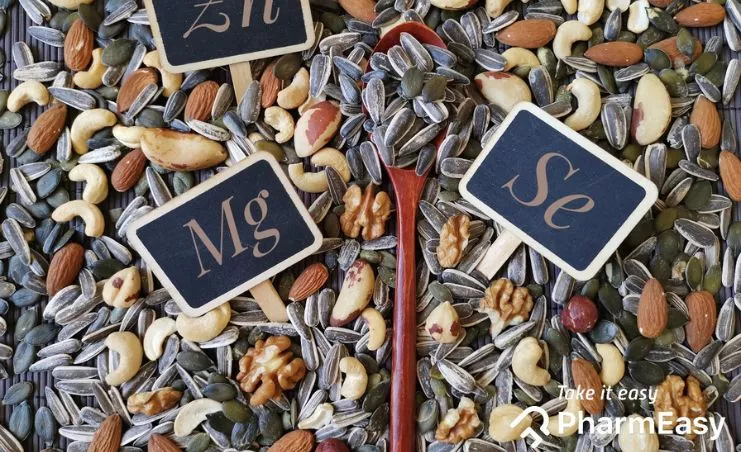
Often sprinkled over dishes or enjoyed as snacks, nuts and tiny edible kernels pack a significant zinc punch. Remember to consume them in moderation due to their calorie density.
- Pumpkin Seeds (Kaddu ke Beej): These are arguably one of the best meat-free providers of zinc. Just 28 grams (about 2 tablespoons) can provide nearly 2.2 mg of zinc. They are fantastic roasted or added to salads.
- Hemp Seeds: While less frequent traditionally, hemp seeds are gaining popularity and are loaded with zinc, offering about 3 mg per 28 grams.
- Sesame Seeds (Til): A staple during festivals like Makar Sankranti, sesame seeds offer approximately 1.3 mg of zinc per 28 grams. Tahini, made from sesame seeds, is also a good provider.
- Cashews (Kaju): These popular nuts provide about 1.6 mg of zinc per 28 grams. They are a widespread ingredient in rich Indian gravies.
- Almonds (Badam): While slightly lower than cashews, almonds still contribute zinc, offering around 0.9 mg per 28 grams.
- Flax Seeds (Jau ka Beej): These tiny kernels provide about 0.6 mg of zinc per 28 grams and are excellent providers of omega-3 fatty acids.
Whole Grains: The Foundation of a Balanced Diet
Whole grains are crucial for overall health and contribute to your zinc intake. Opting for whole over refined grains makes a difference.
- Oats: A bowl of oatmeal provides a good start to the day, offering about 1 mg of zinc per 100 grams prepared.
- Quinoa: This pseudo-cereal is a complete protein and a good provider of zinc, offering around 1.1 mg per 100 grams prepared.
- Wheat Germ: Often added to cereals or baked goods, wheat germ is highly concentrated in zinc, with 2 tablespoons offering about 2 mg.
- Brown Rice: Compared to white rice, brown rice retains more nutrients, including zinc, offering about 0.7 mg per 100 grams prepared.
Dairy and Other Sources
While the focus is often on plant-based providers, some dairy and other specific items can also contribute.
- Paneer: This popular Indian cheese provides about 0.8 mg of zinc per 100 grams.
- Yogurt (Dahi): A cup of plain yogurt contains roughly 0.9 mg of zinc. It's a daily accompaniment to meals for many families.
- Certain Vegetables: While generally not primary providers, some vegetables like potatoes (0.5 mg per medium potato) and spinach (0.5 mg per 100g prepared) offer modest amounts.
Boosting Zinc Absorption from Meat-Free Foods
Given the phytate issue, smart dietary strategies are essential. Soaking lentils and beans overnight before preparing significantly reduces phytate levels. Sprouting grains and legumes further enhances nutrient availability.
Fermentation, as seen in making idli or dosa batter, also breaks down phytates. Consuming vitamin C-rich items alongside zinc providers — think amla, citrus fruits, or guava with your meals — can also improve absorption. Honestly, these simple preparation tweaks can make a world of difference for those who eat no meat.
Daily Zinc Requirements
The Recommended Dietary Allowance (RDA) for zinc varies by age and gender. 3 mg per day, increasing during pregnancy and lactation.
Over 101 million Indians have diabetes (ICMR, 2023), and managing micronutrient intake is crucial for overall health in such populations. Ensuring adequate zinc intake is part of a holistic approach to well-being.
Signs of Zinc Deficiency
The reality is, deficiency can creep up unnoticed. indicators can include: weakened immunity leading to frequent colds and infections, hair loss, skin problems (like acne or slow-healing wounds), loss of appetite, changes in taste or smell, and delayed wound healing. If you experience several of these, it’s worth discussing with your doctor.
It sounds simple. It rarely is.
Consulting Healthcare Professionals
While this list provides excellent meat-free food providers, individual needs vary. Factors like absorption rates, underlying health conditions, and dietary patterns play a role. The Indian Council of Medical Research (ICMR) provides guidelines, but personalized advice is best.
If you suspect a deficiency or are concerned about your intake, consulting a qualified physician or a registered dietitian is highly recommended. They can assess your specific needs and suggest appropriate dietary modifications or supplements if necessary. Sometimes, a simple blood test can reveal much.
Key Takeaways
- Meat-free diets can provide sufficient zinc with careful planning, focusing on legumes, nuts, tiny edible kernels, and whole grains.
- Preparation methods like soaking, sprouting, and fermenting enhance zinc absorption from plant-based items by reducing phytates.
- Pumpkin seeds, lentils, soybeans, and cashews are among the top meat-free providers of zinc in India.
- Adult men require about 11.1 mg and women 9.3 mg of zinc daily, with needs increasing during pregnancy.
- signs of deficiency include weakened immunity, hair loss, and poor wound healing.
Always consult a qualified physician before making any medical decisions.