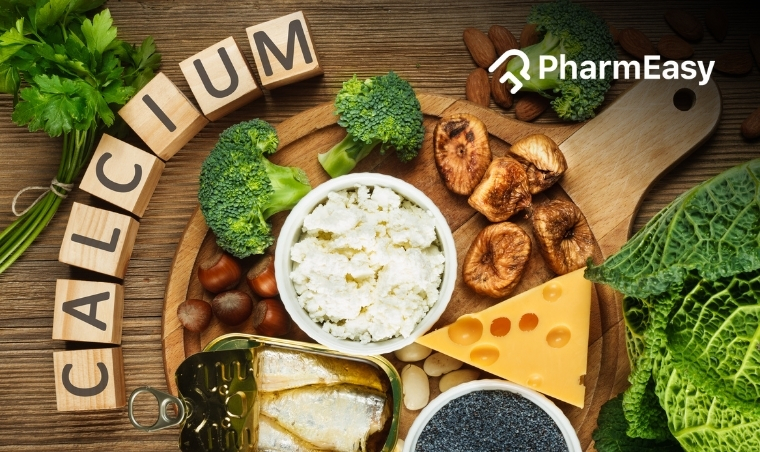
Top Non-Dairy Mineral-Rich Foods to Add to Your Daily Diet
Meena, 45, a homemaker from Jaipur, noticed increasing fatigue and occasional joint aches. Worried about her bone health, especially as she approached menopause, she was advised by her doctor to increase her mineral intake. However, Meena is moderately lactose intolerant, making dairy products a source of discomfort. This is a common dilemma for many Indians.
The reality is, while dairy is often touted as the primary mineral source, a significant portion of the Indian population experiences lactose intolerance, estimated to affect up to 70% of adults. Fortunately, a wealth of non-dairy options can effectively meet your mineral needs. So what does that mean for you? It means embracing a diverse and delicious array of plant-based foods.
Calcium is fundamental for strong bones and teeth. It also makes a real difference in nerve function, muscle contraction, and blood clotting. Insufficient mineral intake can lead to osteoporosis, a condition where bones become brittle and fragile.
Over 101 million Indians have diabetes (ICMR, 2023), and while that's a prominent health concern, maintaining bone density is equally vital for overall well-being and mobility, especially as we age. What most people miss: focusing solely on dairy can lead to missing out on other nutrient-dense foods that offer calcium alongside other beneficial vitamins and minerals.
It sounds simple. It rarely is.
Why Non-Dairy Calcium is Important
Lactose intolerance is a prevalent issue in India, often exacerbated by traditional dietary patterns that might not always include large quantities of dairy or may involve fermented dairy products which are sometimes better tolerated. For individuals with lactose intolerance, or those choosing a vegan or plant-based lifestyle, identifying reliable non-dairy mineral sources is paramount.
The World Health Organization (WHO) recommends a daily mineral intake of 1000-1200 mg for adults. Meeting this target without dairy requires conscious dietary planning.
Honestly, thinking that calcium is only found in milk and cheese is a limiting belief. Many leafy vegetables, oilseeds, nuts, and legumes are packed with this essential mineral. On top of that,, bioavailability — how well your body absorbs a nutrient — can vary.
Some plant-based options offer calcium in forms that are readily absorbed, especially when consumed with Vitamin D, which aids mineral absorption. The Indian Council of Medical Research (ICMR) guidelines acknowledge the need for diverse mineral sources.
Top Non-Dairy Calcium-Rich Foods
1. Leafy Greens
Dark leafy vegetables are nutritional powerhouses. They are not only rich in calcium but also provide fibre, vitamins A, C, K, and folate. While spinach contains oxalates, which can slightly hinder mineral absorption, other greens like kale, bok choy, and collard greens are excellent choices.
Recovery is rarely linear.
A cup of cooked kale, for instance, can provide a considerable portion of your daily mineral requirement. Consider incorporating these into your sabzis, dals, or even as a refreshing salad base, especially during the monsoon when fresh produce is abundant.
Worth knowing: The absorption rate of calcium from these greens is generally good, though it's always beneficial to pair them with Vitamin D-rich foods or sun exposure.
- Kale: Approximately 90-100 mg of calcium per cooked cup.
- Bok Choy: Around 70-75 mg of calcium per cooked cup.
- Collard Greens: About 260 mg of calcium per cooked cup.
- Mustard Greens (Saag): Roughly 150 mg of calcium per cooked cup.
2. Seeds and Nuts
Oilseeds, particularly sesame seeds (til) and chia seeds, are exceptional mineral providers. Just a couple of tablespoons of tahini (sesame paste) or ground sesame seeds can contribute substantially to your daily intake. Almonds are another fantastic nut option, offering calcium along with healthy fats and magnesium.
Incorporating a sprinkle of oilseeds into your morning porridge, or enjoying a handful of almonds as a snack, are simple ways to boost your mineral levels. Floor sitting during meals, usual in many Indian households, often involves proximity to grains and oilseeds, making their inclusion easier.
Does this sound familiar? You might be consuming oilseeds for their fibre and healthy fats without realising their notable calcium contribution.
- Sesame Seeds (whole): Approximately 175-200 mg of calcium per 2 tablespoons (about 20g).
- Chia Seeds: Around 80-90 mg of calcium per 2 tablespoons (about 20g).
- Almonds: Roughly 75-80 mg of calcium per 1/4 cup (about 35g).
3. Legumes and Beans
Many beans and lentils are surprisingly good sources of calcium. Rajma (kidney beans), chana (chickpeas), and urad dal (black gram lentils) are staples in Indian cuisine and can help meet your mineral needs.
That alone changes everything.
A bowl of dal or a chickpea curry provides not only protein and fibre but also a decent amount of calcium. The Indian Journal of Nutrition and Dietetics has published studies highlighting the nutritional benefits of legumes.
The reality is, a well-planned vegetarian or vegan diet abundant in legumes can easily meet mineral requirements. Many studies, including those published in The Lancet, emphasize the role of plant-based diets in overall health.
- White Beans: Approximately 100-110 mg of calcium per cooked cup.
- Chickpeas (Chana): Around 80-90 mg of calcium per cooked cup.
- Urad Dal: Roughly 50-60 mg of calcium per cooked cup.
4. Fortified Foods
Fortification is a public health strategy where nutrients are added to commonly consumed foods. Many plant-based milk alternatives (like soy milk, almond milk, oat milk), breakfast cereals, and some orange juices are enhanced with calcium and Vitamin D. Always check the nutrition label to ensure the product is enhanced and to see the mineral content per serving.
This offers a convenient way to increase intake, especially for those who find it challenging to consume enough calcium from whole foods alone. The International Osteoporosis Foundation (IDF) often highlights the importance of enhanced foods in preventing osteoporosis.
This is where most patients struggle.
So what does that mean for you? It means reading labels becomes an crucial habit for ensuring adequate nutrient intake.
- Fortified Soy Milk: Can provide 100-300 mg of calcium per cup, depending on the brand.
- Fortified Almond Milk: Typically offers 450-500 mg of calcium per cup.
- Fortified Cereals: Varies widely, but some can offer 100-200 mg per serving.
5. Tofu and Tempeh
Tofu, made from soybeans, is a versatile ingredient commonly used in Asian cuisines and increasingly popular in India. When prepared with calcium sulfate (check the ingredients list), tofu becomes an excellent source of calcium.
Tempeh, a fermented soybean product, also offers a good amount of calcium. These soy-based products are great for stir-fries, curries, or even grilled dishes.
Worth knowing: The mineral content in tofu can vary significantly based on the coagulant used during production. Calcium sulfate results in higher calcium levels.
- Tofu (made with calcium sulfate): Approximately 100-200 mg of calcium per half-cup serving.
- Tempeh: Around 80-90 mg of calcium per half-cup serving.
6. Figs and Dates
Dried figs and dates are not just sweet treats; they are also a good source of calcium, especially when consumed regularly. They offer a natural sweetness that can satisfy cravings while contributing to your mineral intake.
A few dried figs can provide a notable amount of calcium, along with fibre and potassium. Enjoy them as a snack, add them to your oatmeal, or blend them into smoothies.
- Dried Figs: Around 50-60 mg of calcium per 1/2 cup.
- Dates (Medjool): Approximately 20-30 mg of calcium per 5-6 dates.
Maximising Calcium Absorption
Simply eating calcium-rich foods isn't always enough; your body needs to absorb it effectively. Vitamin D is crucial for mineral absorption. Ensuring adequate Vitamin D levels through sensible sun exposure (early morning or late afternoon sun) and consuming Vitamin D-rich foods like fatty fish (though not a daily staple for many vegetarians) or enhanced products is essential. Magnesium also plays a supporting role.
Additionally, reducing intake of substances that can inhibit mineral absorption, like excessive caffeine and sodium, is advisable. Does this sound familiar? Many people consume calcium but don't consider factors affecting its absorption.
It sounds simple. It rarely is.
Honestly, a holistic approach combining diet, lifestyle, and awareness of nutrient interactions yields the best results for bone health.
Conclusion
Building and maintaining strong bones doesn't have to rely solely on dairy. By incorporating a variety of non-dairy calcium-rich foods like leafy vegetables, oilseeds, nuts, legumes, enhanced foods, tofu, figs, and dates into your daily Indian diet, you can effectively meet your mineral needs. This approach is particularly beneficial for those with lactose intolerance or following plant-based diets.
Remember that consistency and variety are key. The journey to optimal bone health is accessible through delicious and diverse food choices. Always consult a qualified physician before making any medical decisions.
Key Takeaways:
- Up to 70% of Indian adults may experience lactose intolerance, highlighting the need for non-dairy calcium sources.
- Leafy vegetables like kale and collard greens are excellent plant-based sources of calcium.
- Oilseeds (sesame, chia) and nuts (almonds) offer meaningful calcium along with other essential nutrients.
- Enhanced foods and soy products like tofu provide convenient and concentrated sources of calcium.
- Vitamin D is crucial for maximising calcium absorption from all food sources.