The Power of Plant Protein: Fueling Your Health the Vegetarian Way
Meena, 45, a homemaker from Jaipur, noticed her energy levels dipping significantly, especially during the long summer afternoons. She often felt sluggish after meals, and her regular yoga sessions felt more taxing than rejuvenating. Concerned, she consulted her doctor, who suspected a potential protein deficiency, a common concern even among those who eat a balanced vegetarian diet.
What should you actually do? Understanding and incorporating adequate protein into your vegetarian meals is crucial for overall health, muscle maintenance, and sustained energy. Honestly, many Indians, despite eating grains and vegetables, fall short of their daily protein requirements.
Why Protein is Non-Negotiable
Protein is the fundamental building block of our bodies. It’s essential for repairing tissues, building muscle mass, producing enzymes and hormones, and supporting immune function. Think about it this way: every cell in your body needs protein to function optimally.
For vegetarians, ensuring a sufficient intake requires mindful planning, as plant-based protein sources can sometimes be less bioavailable or lack certain essential amino acids compared to animal products. However, this is entirely manageable with the right knowledge.
This is where most patients struggle.
Here's the thing — protein needs vary based on age, activity level, and overall health. 8 grams of protein per kilogram of body weight, active individuals, pregnant women, and the elderly may require more.
7 grams per kilogram.
The Indian Context: Protein Gaps and Cultural Eating Habits
In India, traditional diets often revolve around grains like rice and wheat, and while lentils (dal) are a staple, they might not always be consumed in quantities sufficient to meet protein needs. Consider the monsoon season, where the variety of fresh vegetables can sometimes decrease, potentially impacting nutrient intake. Similarly, festive diets, while rich in flavour, can sometimes be imbalanced.
What most people miss: relying heavily on carbohydrates without consciously including protein-rich components can lead to deficiencies. The National Institute of Nutrition (NIN) in India has highlighted that a significant portion of the Indian population, particularly vegetarians, may not be meeting their protein requirements. 7g/kg body weight, falling short of the recommended intake.
Top Tier Vegetarian Protein Powerhouses
Let’s explore the best vegetarian foods available in India that can significantly boost your protein intake. This list is curated to be practical and accessible, focusing on ingredients commonly found in Indian kitchens.
This is where most individuals struggle.
Lentils and Legumes: The Humble Heroes
Dal (Lentils): A cornerstone of Indian cuisine, lentils are nutritional giants. Varieties like masoor dal (red lentils), moong dal (green gram), and chana dal (split chickpeas) are excellent sources of protein and fibre. A typical serving of cooked dal (about 1 cup) can provide 15-18 grams of protein. But why does this happen? Their affordability and versatility make them indispensable.
Chickpeas (Chana): Whether in a hearty chana masala or roasted as a snack, chickpeas are packed with protein (around 7-8 grams per half-cup cooked) and complex carbohydrates. They are also rich in fibre, aiding digestion.
Kidney Beans (Rajma): A beloved dish, rajma is not only delicious but also a protein powerhouse, offering about 7-8 grams of protein per half-cup cooked. It also provides essential minerals like iron and potassium.
Black-Eyed Peas (Lobia): These legumes are another fantastic source, providing roughly 6-7 grams of protein per half-cup cooked. They are commonly used in various Indian regional dishes.
Dairy: A Rich Source of Complete Protein
For lacto-vegetarians, dairy products are a goldmine for protein. The International Diabetes Federation (IDF) notes that adequate protein intake can play a role in managing blood sugar levels, which is particularly relevant for India's growing diabetic population – over 101 million Indians have diabetes (ICMR, 2023).
Paneer (Indian Cottage Cheese): This is perhaps one of the most popular vegetarian protein sources in India. A 100-gram serving of paneer typically contains about 18-20 grams of protein. It’s also a good source of calcium.
Curd/Yogurt (Dahi): Plain yogurt is rich in protein (around 8-10 grams per cup) and beneficial probiotics that support gut health. It’s a refreshing accompaniment to meals, especially during the hot Indian summers.
Milk: A glass of milk (200 ml) provides approximately 6-7 grams of protein and is a good source of calcium and Vitamin D.
Soy Products: The Complete Plant Protein Option
Soybeans and their derivatives are among the few plant-based foods that provide all nine essential amino acids, making them a complete protein source. This is a meaningful advantage for vegetarians. The World Health Organization (WHO) has recognized soy protein as a high-quality protein source.
Tofu: Made from soybean curds, tofu is incredibly versatile. A 100-gram serving offers about 8-10 grams of protein. It readily absorbs flavours, making it suitable for various Indian preparations like bhurji or curries.
Tempeh: A fermented soybean product, tempeh has a firmer texture and nuttier flavour than tofu. It provides approximately 15-19 grams of protein per 100 grams and is also a good source of prebiotics.
Soy Milk: A dairy-free alternative, soy milk contains about 7-8 grams of protein per cup, comparable to cow’s milk.
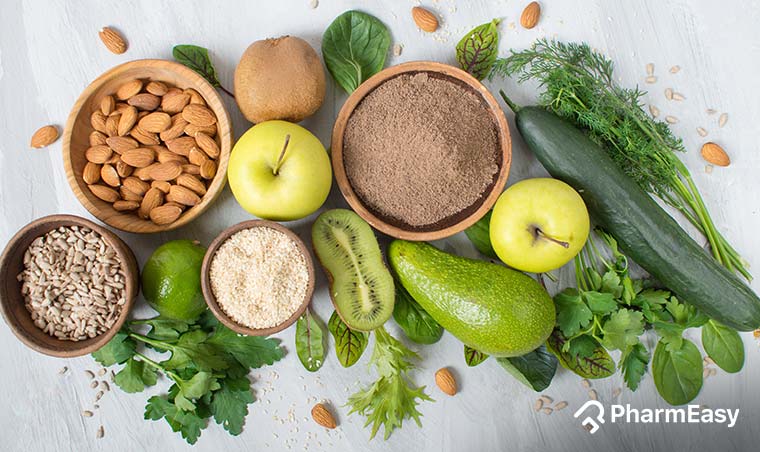
Nuts and Seeds: Nutrient-Dense Protein Boosters
While often consumed in smaller quantities, nuts and seeds are incredibly nutrient-dense, offering protein, healthy fats, and essential micronutrients. Think about it this way: a small handful can make a big difference.
Almonds: A 28-gram serving (about 23 almonds) provides around 6 grams of protein. They are also rich in Vitamin E and magnesium.
Peanuts: Technically a legume, peanuts are a protein powerhouse, offering about 7-8 grams of protein per ounce (28 grams). They are also a good source of biotin and niacin.
Pumpkin Seeds (Kaddu ke Beej): These seeds are a fantastic source of protein (around 9 grams per ounce) and minerals like zinc and magnesium. They are great roasted or added to salads.
Chia Seeds and Flaxseeds: While lower in protein per serving (around 2-3 grams per tablespoon), these seeds are packed with omega-3 fatty acids and fibre. They can be easily added to yogurt, smoothies, or baked goods.
Whole Grains: More Than Just Carbs
Certain whole grains contribute meaningfully to protein intake. What most people miss: they are often overlooked as a primary protein source.
Quinoa: Often called a superfood, quinoa is a complete protein, providing about 8 grams of protein per cooked cup. It’s also rich in fibre and minerals.
Oats: A bowl of oatmeal (1 cup cooked) offers about 6 grams of protein. They are a fantastic breakfast option, providing sustained energy.
Buckwheat (Kuttu): Commonly used during fasting periods in India, buckwheat is a good source of protein, with about 6 grams per cooked cup.
Other Notable Mentions
Seitan: Made from wheat gluten, seitan is exceptionally high in protein, often containing 20-25 grams per 100 grams. It has a chewy, meat-like texture.
Nutritional Yeast: This deactivated yeast has a cheesy flavour and provides about 8 grams of protein per 2 tablespoons, along with B vitamins.
Spirulina: This blue-green algae is a protein-dense superfood, offering around 4 grams of protein per tablespoon, plus iron and antioxidants.
Maximizing Protein Absorption
To ensure your body gets the most out of these foods, consider combining different plant-based protein sources throughout the day. This strategy helps ensure you consume all essential amino acids. For instance, pairing lentils with rice or roti creates a more complete protein profile.
Recovery is rarely linear.
Honestly, this simple habit can significantly enhance your nutritional intake. Additionally, proper cooking methods — like soaking and sprouting legumes — can improve digestibility and nutrient absorption. Remember, variety is key to unlocking the full spectrum of benefits these foods offer.
Integrating Protein into Your Daily Indian Diet
Making protein a priority doesn't require a complete overhaul. Start by adding a source of protein to each meal. For breakfast, opt for poha with peanuts or sprouts, or oats with nuts and seeds. Lunch could feature a hearty dal, a paneer sabzi, or a chickpea salad.
For dinner, consider rajma, tofu stir-fry, or lentil soup. Even snacks can be protein-rich: a handful of almonds, roasted chana, or a small bowl of yogurt. Think about the ease of incorporating these staples into your existing meal structure. The Lancet has published numerous studies highlighting the positive impact of adequate protein intake on preventing malnutrition and supporting healthy aging, especially in diverse populations like India's.
What should you actually do? Start small, be consistent, and listen to your body.
Meena, after incorporating more protein-rich foods like dals, paneer, and a variety of nuts and seeds into her diet, began to notice a remarkable difference in her energy levels within a few weeks. Her afternoon slump disappeared, and her yoga practice felt more sustainable.
The numbers don't lie.
Key Takeaways
- Lentils (dal) and legumes like chickpeas and kidney beans are excellent, affordable vegetarian protein sources, providing 7-18g protein per serving.
- Dairy products like paneer (18-20g protein/100g) and yogurt are rich in complete protein for lacto-vegetarians.
- Soy products (tofu, tempeh, soy milk) offer complete plant-based protein, crucial for vegetarians.
- Nuts, seeds, and certain whole grains like quinoa and oats contribute significantly to daily protein intake.
- Combining various plant-based protein sources throughout the day ensures intake of all essential amino acids.
Always consult a qualified physician before making any medical decisions.