Understanding Cobalamin: The Essential Nutrient
Meena, 45, a homemaker from Jaipur, noticed persistent fatigue and tingling in her hands. She often felt breathless, even after simple chores. Her doctor suspected a common lack that affects millions across India: cobalamin insufficiency. Have you ever wondered why weariness, mood swings, or nerve issues might be plaguing you? Cobalamin, also known as B12, plays a critical role in numerous bodily functions, from red blood cell formation and DNA synthesis to maintaining a healthy nervous system.
Its absence can lead to serious health complications. In India, where a significant portion of the population follows vegetarian or vegan diets, B12 lack is particularly prevalent. In fact, studies suggest that up to 60% of Indians may have suboptimal B12 levels, with deficiency rates reaching 40-50% in certain populations (AIIMS study, 2022). This startling statistic underscores the importance of actively seeking out B12-rich edibles.
Why is Cobalamin So Crucial?
The human body cannot produce cobalamin on its own; it must be obtained through diet or supplements. This water-soluble nutrient is vital for:
- Red Blood Cell Production: B12 is essential for creating healthy red blood cells. A lack of it can lead to megaloblastic anemia, characterised by abnormally large red blood cells that don't function properly, causing fatigue and weakness.
- Nervous System Function: Cobalamin is indispensable for maintaining the myelin sheath, a protective covering around nerve fibers. Without adequate B12, nerve damage can occur, manifesting as tingling, numbness, balance problems, and even cognitive decline.
- DNA Synthesis: Every cell in your body relies on B12 for DNA replication and repair.
- Energy Metabolism: While not a direct energy source, B12 helps convert food into glucose, which the body uses for energy. This is why lack often results in profound fatigue.
Worth knowing: The recommended daily allowance (RDA) for cobalamin varies by age, but for adults, it’s generally around 2.4 micrograms (mcg) each day. Pregnant and breastfeeding women require slightly more.
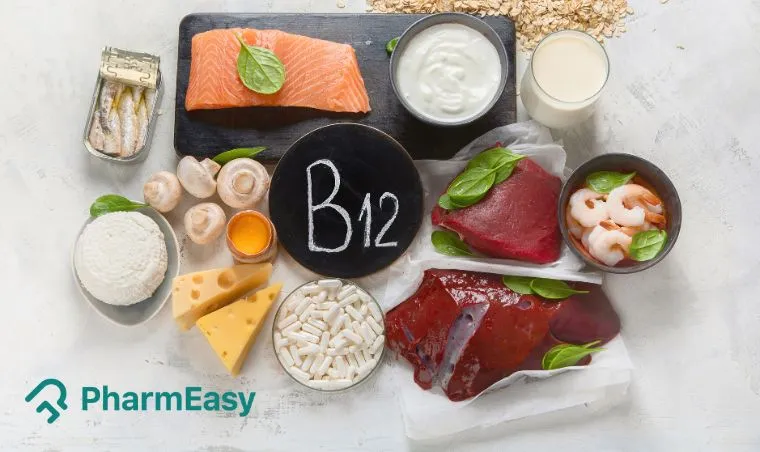
Top Cobalamin Edible Offerings in India
Fortunately, incorporating cobalamin into your diet is achievable, even with dietary restrictions. While animal products are the primary natural offerings, enriched edibles and specific vegetarian options can help bridge the gap. Here's a breakdown:
Here's where it gets interesting.
Non-Vegetarian Offerings: The Richest Reserves
If you consume non-vegetarian edibles, you have access to the most potent natural reserves of cobalamin. These are generally the easiest ways to meet your daily requirements.
1. Fish and Shellfish
Fatty fish like salmon, tuna, and mackerel are excellent reserves. Clams and oysters are nutritional powerhouses, offering exceptionally high amounts of B12 per serving. Just 100 grams of clams can provide over 1000% of your daily requirement!
6 mcg of B12. Mussels are another fantastic option, with a 3-ounce portion yielding around 6 mcg.
2. Meat and Poultry
Organ meats, particularly liver and kidney, are exceptionally rich in cobalamin. Beef liver, for example, can contain over 3000% of the daily value in just a 3-ounce serving. Lamb liver is similarly packed.
Regular meat like lamb, mutton, and chicken also contribute significantly. 2 mcg.
3. Eggs
Eggs are a convenient and widely available reserve of cobalamin. 5 mcg of B12, primarily found in the yolk. Including two eggs in your breakfast can contribute noticeably to your daily intake, especially if you're aiming for lower amounts or supplementing other reserves.
Does this sound familiar? Many Indians consume eggs regularly, making them a valuable contributor.
4. Dairy Products
Milk, cheese, and yogurt are good reserves of cobalamin. 2 mcg. Hard cheeses like Swiss and mozzarella tend to have higher concentrations than softer varieties.
Yogurt is also a beneficial inclusion, with a standard 6-ounce serving offering about 1 mcg. Honestly, these are staples in many Indian households, often enjoyed during festivals or daily meals.
Vegetarian and Vegan Offerings: Navigating the Challenges
For vegetarians and vegans, obtaining sufficient cobalamin requires more careful planning. While some plant-based edibles contain trace amounts, they are often not bioavailable or sufficient. Enriched edibles become crucial.
Most people overlook this completely.
1. Enriched Cereals and Plant-Based Milks
Many breakfast cereals, nutritional yeasts, and plant-based milks (soy, almond, oat) are enriched with cobalamin. Check the labels carefully, as enrichment levels can vary significantly.
Some enriched cereals can provide up to 100% of the daily value per serving. This makes them a convenient option, especially when enjoyed sitting on the floor during a traditional Indian breakfast.
2. Nutritional Yeast
Nutritional yeast is a deactivated yeast with a cheesy, nutty flavour, popular in vegan cooking. It is often enriched with B12 and can be sprinkled on salads, pasta, or popcorn. One tablespoon of enriched nutritional yeast can provide over 200% of the daily value. It’s a versatile ingredient that can add both flavour and essential nutrients.
3. Certain Mushrooms and Seaweed (Limited Bioavailability)
While some reserves mention mushrooms and seaweed as potential B12 providers, their bioavailability is often low or inconsistent. Certain types of seaweed, like nori, contain B12 analogues that may not be active in the human body. Therefore, relying solely on these for B12 intake is generally not recommended by health authorities like the WHO.
Symptoms of Cobalamin Lack
Recognizing the signs of lack is the first step towards addressing it. warning signs can develop gradually and worsen over time. They include:
- Fatigue and weakness
- Pale or yellowish skin
- Sore tongue (glossitis)
- Mouth ulcers
- Vision disturbances
- Mood changes (depression, irritability)
- Neurological issues: tingling, numbness in hands and feet, difficulty walking, memory problems.
Here's the thing: Early diagnosis and intervention are key to preventing irreversible nerve damage. If you experience any of these manifestations, seeking medical advice promptly is essential.
Dietary Strategies and Considerations
Incorporating B12-rich edibles requires mindful planning, especially for those following plant-based diets. Regularly consuming enriched edibles like cereals and plant milks can make a notable difference.
For non-vegetarians, including fish, eggs, dairy, and moderate amounts of meat can ensure adequate intake. The International Diabetes Federation (IDF) highlights that managing nutrient lacks is crucial for overall metabolic health, impacting conditions like diabetes.
That alone changes everything.
Consider the timing and combination of edibles. Pairing B12 reserves with vitamin C-rich edibles can enhance absorption. For example, adding a squeeze of lemon to a fish dish or including berries with enriched cereal.
Remember that cooking methods can affect nutrient levels; gentle cooking is often best. During monsoon season, when food availability might be impacted, ensuring consistent intake of enriched staples becomes even more critical.
When to Consider Supplements
Despite best efforts, some individuals may still struggle to meet their B12 needs through diet alone. This is particularly true for older adults, individuals with certain gastrointestinal conditions (like pernicious anemia or Crohn's disease), those who have had gastric surgery, and strict vegans. For these groups, cobalamin supplements—available as tablets, sublingual drops, or injections—may be necessary.
The National Institute of Nutrition (NIN) in India recommends supplementation when dietary intake is insufficient or absorption is impaired. A doctor can perform blood tests to determine your B12 levels and recommend the appropriate dosage and form of supplementation. It's crucial not to self-prescribe high doses, as excessive intake can mask other lacks, like folate lack.
Recovery is rarely linear.
Key Takeaways
- Cobalamin is vital for red blood cell production, nerve function, and DNA synthesis.
- Natural B12 reserves are primarily animal-based: fish, meat, eggs, and dairy.
- Vegetarians and vegans should rely on enriched edibles like cereals, plant milks, and nutritional yeast.
- signs of lack include fatigue, neurological issues, and anaemia.
- Consult a healthcare professional for diagnosis and consider supplements if needed.
Always consult a qualified physician before making any medical decisions.