

Emergency & Help
24/7 Emergency & General Advisory
🚨 24/7 Medical Emergency
Non-Emergency Advisory
10:00 AM – 6:00 PM, Mon–Sat
For appointments & general queries.
24/7 Emergency & General Advisory
🚨 24/7 Medical Emergency
Non-Emergency Advisory
10:00 AM – 6:00 PM, Mon–Sat
For appointments & general queries.
Understand the Albumin Drain Fluid test. Learn what it measures, its significance, and how it aids diagnosis and treatment monitoring.
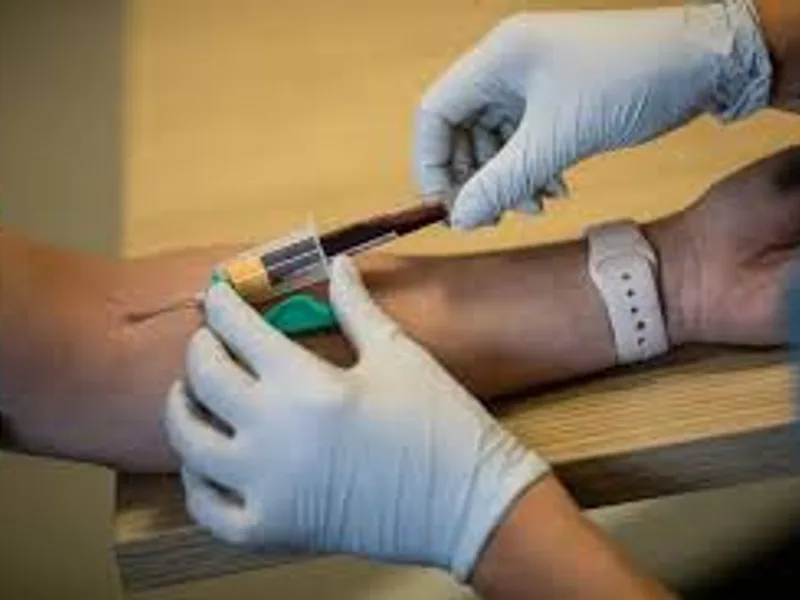
When fluid builds up in the abdomen, a condition known as ascites, pinpointing the cause is vital for effective treatment. The Albumin Drain Fluid test, often referred to as the Ascitic Fluid Albumin test, is central to in this diagnostic puzzle.
This test specifically measures the level of albumin, a vital protein, within the fluid collected from the abdominal cavity (ascitic fluid).
Albumin is primarily produced by the liver and is crucial for maintaining fluid balance in the body. Low albumin levels in the blood can lead to fluid leaking into surrounding tissues and cavities, including the abdomen. Analyzing albumin in the drained fluid helps physicians differentiate between various causes of ascites.
Here's the thing — ascites can stem from a range of issues, from liver disease to heart failure and even certain cancers. The Albumin Drain Fluid test is particularly valuable because it helps calculate the Serum-Ascites Albumin Gradient (SAAG).
The SAAG score is calculated by subtracting the ascitic fluid albumin level from the serum (blood) albumin level.
High SAAG (≥ 1.1 g/dL): This generally indicates portal hypertension, a problem where the pressure in the portal vein (which carries blood from the digestive organs to the liver) is elevated. Liver cirrhosis is the most common cause of portal hypertension. Other causes include heart failure and Budd-Chiari syndrome.
Low SAAG (< 1.1 g/dL): A low SAAG score often suggests causes other than portal hypertension. These can include infections (like tuberculosis peritonitis), pancreatitis, or certain types of cancers affecting the peritoneum (the lining of the abdominal cavity).
Think about it this way: the SAAG score acts like a detective's clue, pointing towards the likely culprit behind the abdominal fluid buildup.
Physicians typically recommend this test when a person presents with new-onset ascites or when there's a change in the character of existing ascitic fluid. What should you actually do? If you experience unexplained abdominal swelling or discomfort, seek medical attention promptly.
That alone changes everything.
The procedure to collect the fluid is called paracentesis. During paracentesis, a needle is inserted into the abdomen to withdraw the fluid. This fluid sample is then sent to the laboratory for analysis, including the crucial albumin measurement.
While the SAAG score is a primary interpretation tool, specialists also consider the absolute albumin level in the ascitic fluid. 5 g/dL), especially when combined with a high SAAG score, strongly suggests liver cirrhosis as the underlying cause.
Worth knowing: This finding can also increase the risk of spontaneous bacterial peritonitis (SBP), a serious infection of the ascitic fluid.
Spontaneous bacterial peritonitis (SBP) is a life-threatening complication that can occur in people with ascites, particularly those with advanced liver disease. Early detection and intervention are absolutely vital.
The Albumin Drain Fluid test, alongside other analyses of the ascitic fluid (like cell counts and cultures), helps identify patients at chance or those who already have SBP.
Living with ascites is genuinely hard. The discomfort, bloating, and the constant worry about the underlying cause can be overwhelming.
Many of us have seen loved ones struggle with these symptoms, making the need for accurate and timely diagnosis even more apparent. Physicians understand the challenges faced by those affected and strive to provide the most reliable care.
This is where most people struggle.
We often see those affected who are initially distressed by the idea of a paracentesis. However, understanding that this procedure is essential for diagnosis and can even offer temporary relief from the pressure caused by the fluid can ease some anxiety. The results empower doctors to create a targeted and impactful care plan.
By accurately identifying the cause of ascites, the Albumin Drain Fluid test enables physicians to initiate the most reliable therapy. For conditions like cirrhosis, management focuses on improving liver function and reducing fluid buildup through diuretics and dietary changes. If SBP is suspected or diagnosed, prompt antibiotic approach is crucial to prevent severe complications.
Is there a better way? This test provides the clarity needed to steer care in the right direction.
The World Health Organization (WHO) emphasizes the importance of accurate diagnostic tools in managing chronic conditions like liver disease. The Albumin Drain Fluid test aligns with these global health standards by offering a reliable method to assess a critical aspect of abdominal fluid analysis.
Albumin is a protein made by the liver that helps keep fluid inside blood vessels. When it's found in abdominal fluid, its level helps clinicians recognise why fluid has accumulated there. This is crucial for diagnosing conditions like liver disease or infections.
And yet, so many people miss it.
The test involves a procedure called paracentesis. A doctor uses a needle to collect a sample of the fluid from your abdomen. This sample is then sent to a lab to measure the albumin concentration.
While not a definitive cancer test on its own, the SAAG score derived from this test can provide clues. A low SAAG score, for example, might prompt further investigation for cancers affecting the abdominal lining, as suggested by guidelines from institutions like the Indian Council of Medical Research (ICMR).
Always consult a qualified physician before making medical decisions.
Visit Hospital
Near You

Check the list of medical colleges in Jharkhand 2026-27, including government, private and AIIMS institutions, MBBS seats and admission details.
August 20, 2026

MBBS NEET counselling Jharkhand 2026 is being conducted through the Jharkhand Combined Entrance Competitive Examination Board (JCECEB) for eligible NEET-UG candidates.
August 20, 2026

You can text fifty people a day and still feel completely alone. That's the frequent contact loneliness paradox, and it trips up a lot of people who assume loneliness is just about how often you talk to someone. This article looks at why frequency of contact and the actual feeling of connection are
August 10, 2026