

Emergency & Help
24/7 Emergency & General Advisory
🚨 24/7 Medical Emergency
Non-Emergency Advisory
10:00 AM – 6:00 PM, Mon–Sat
For appointments & general queries.
24/7 Emergency & General Advisory
🚨 24/7 Medical Emergency
Non-Emergency Advisory
10:00 AM – 6:00 PM, Mon–Sat
For appointments & general queries.
Discover if dragonflies bite, what to expect, and their role in nature. Learn about their life cycle, benefits, and how to handle encounters safely.
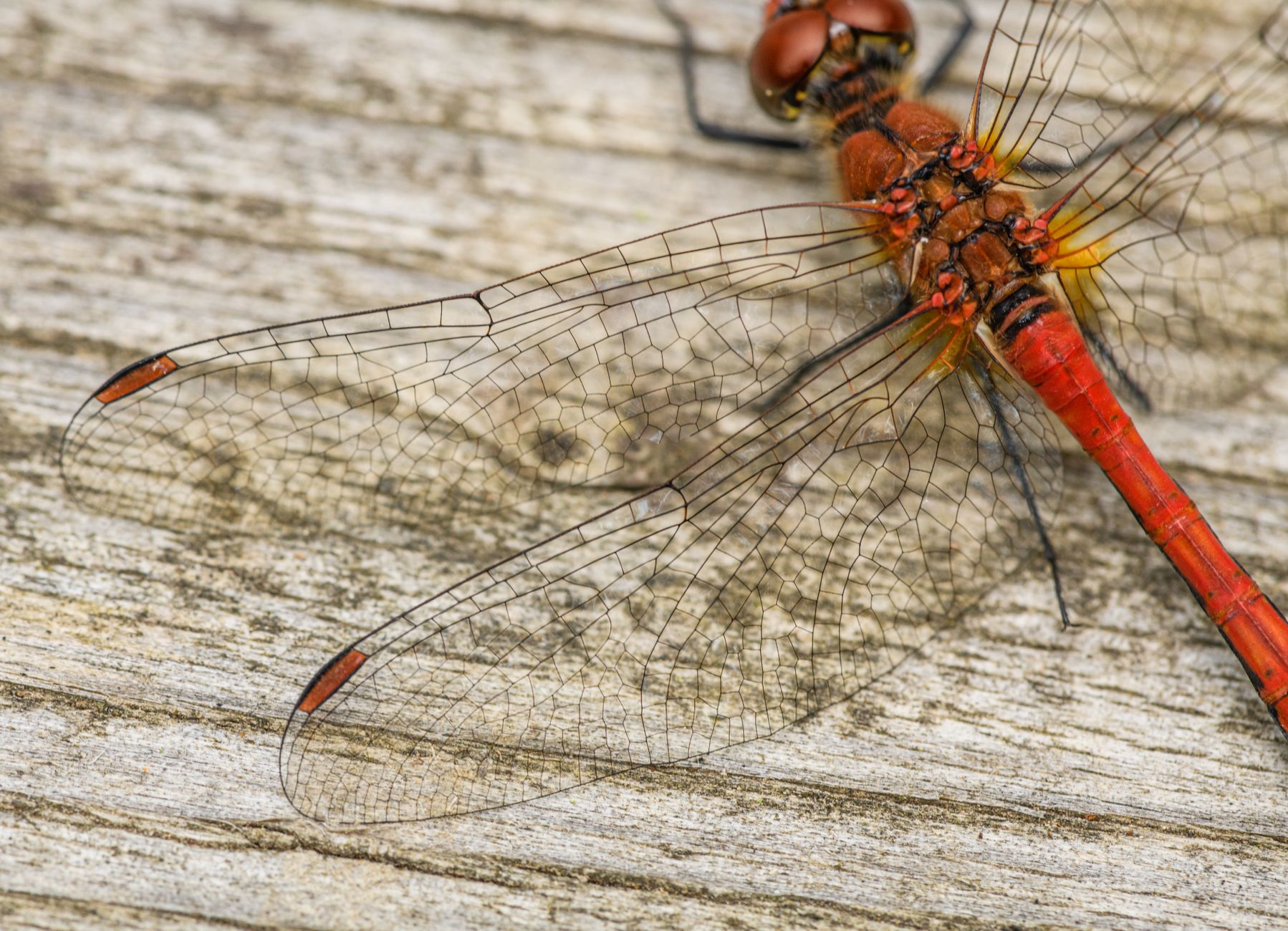
Dragonflies are among nature's most captivating insects, often gracing our gardens and parks with their vibrant colors and delicate, transparent wings. You might spot them flitting about near water bodies during the warmer months. With over 5,000 species worldwide, these ancient creatures have a fascinating life cycle and play a vital role in our ecosystem. They are often seen as symbols of good luck and transformation. But what happens if one of these beautiful insects decides to get a little too close for comfort? Specifically, do dragonflies bite?
The short answer is yes, dragonflies can bite, but it's important to understand the context and severity. Unlike bees or wasps, dragonflies do not possess a stinger. Their primary defense mechanism involves their powerful jaws, which they use to catch their prey. While they have teeth, their bite is generally not considered dangerous to humans and rarely breaks the skin. They are not aggressive insects and will only bite as a last resort, typically when they feel threatened or are handled. Many people are surprised to learn that these seemingly delicate creatures are formidable predators in the insect world, with incredible flying abilities and exceptional eyesight.
To truly appreciate dragonflies, it helps to understand their journey from egg to adult. This lifecycle is quite remarkable and varies significantly depending on environmental factors like temperature.
The dragonfly's life begins as an egg, usually laid in or near a water source. This is where the aquatic larval stage, also known as a nymph or naiad, takes place. These underwater nymphs are equipped with large eyes, six legs, and gills to breathe beneath the surface. This stage can last a considerable amount of time, often from a few months to as long as two years, and in colder water temperatures, it can extend up to five years. During this time, they are also predators, feeding on other aquatic invertebrates, tadpoles, and even small fish.
Once the nymph is fully developed, it crawls out of the water and undergoes a dramatic transformation. Its skin splits, and the adult dragonfly emerges. Initially, its wings are soft and folded. It must pump fluid into them and wait for them to dry and harden before it can take its first flight. The adult stage is relatively short, lasting from a couple of weeks to a maximum of about eight weeks for many species. This brief adult life is primarily dedicated to feeding and reproduction.
Dragonflies are voracious predators. Their diet primarily consists of other insects, making them incredibly beneficial for controlling populations of pests like mosquitoes, flies, and even smaller butterflies and bees. They are expert hunters, capable of catching prey mid-air with remarkable agility. Their ability to fly at speeds of up to 35 miles per hour and their panoramic vision, thanks to eyes with around 30,000 lenses, make them highly effective hunters.
Imagine a scenario: you're enjoying a summer evening outdoors in your garden, and the air is thick with mosquitoes. Suddenly, you notice several dragonflies zipping around. These diligent insects are not only beautiful to watch but are actively reducing the mosquito population, offering you some relief. This natural pest control is one of the many reasons dragonflies are so valuable to our environment.
As mentioned, dragonflies can bite, but it's a rare occurrence and usually a defensive reaction. They do not hunt humans or view us as prey. If a dragonfly bites you, it's likely because it felt trapped, cornered, or was handled roughly.
A dragonfly bite is typically described as a pinching sensation. Since they lack stingers, the discomfort comes from their jaws. The bite might break the skin, but it's usually superficial. Unlike the venomous bite of some other creatures, a dragonfly bite does not inject any toxins. Therefore, it's not considered medically significant for most people.
If you happen to be bitten by a dragonfly, stay calm. The first step is to gently remove the dragonfly if it's still attached. Clean the bite area thoroughly with soap and water to prevent any secondary infection, especially if the skin was broken. Applying a cold compress can help reduce any minor swelling or discomfort.
In most cases, no further medical treatment is necessary. However, if you notice signs of infection, such as increased redness, swelling, warmth, or pus, it's advisable to consult a doctor or visit a local clinic. Allergic reactions, though rare, are also a possibility, so monitor for any unusual symptoms like difficulty breathing or hives.
While dragonfly bites are not a significant health concern, it's always best to avoid situations that might lead to one. Here are a few tips:
Beyond their impressive predatory skills, dragonflies contribute significantly to a healthy environment. Their larvae help keep water bodies clean by consuming organic matter and other small organisms. As adults, they are crucial in controlling insect populations, reducing the spread of diseases carried by insects like mosquitoes.
Furthermore, dragonflies are sensitive to environmental changes. Their presence indicates a healthy aquatic ecosystem. Their decline can signal pollution or habitat degradation, making them important bio-indicators.
A: No, dragonflies do not have stingers. They can bite, but they do not sting.
A: Generally, no. Dragonfly bites are rare, not venomous, and usually superficial. They are not aggressive towards humans.
A: Dragonflies are incredibly agile flyers and can reach speeds of up to 35 miles per hour.
A: Female dragonflies lay their eggs in or near water bodies, such as ponds, streams, or wetlands.
A: The adult stage of a dragonfly is typically short, lasting from a few weeks up to about 8 weeks. However, their larval stage can last much longer, up to 2 years or more.
While a dragonfly bite is rarely a cause for serious concern, you should consult a healthcare professional if:
Remember, dragonflies are vital to our ecosystem and are generally harmless. Appreciating them from a safe distance is the best approach. Their presence is often a sign of a healthy environment, so enjoy their beauty and the natural pest control they provide!
Most people do not notice early warning signs right away. That is common. A simple symptom diary, basic routine checks, and timely follow-up visits can prevent small problems from becoming serious.
If you are already on treatment, stay consistent with medicines and lifestyle advice. If your symptoms change, do not guess. Check with a qualified doctor and update your plan early.
Write down symptoms, triggers, and timing for a few days.
Carry old prescriptions and test reports to your consultation.
Ask clearly about side effects, red-flag signs, and follow-up dates.
Seek urgent care for severe pain, breathing trouble, bleeding, fainting, or sudden worsening.
Visit Hospital
Near You

Check the list of medical colleges in Jharkhand 2026-27, including government, private and AIIMS institutions, MBBS seats and admission details.
August 20, 2026

MBBS NEET counselling Jharkhand 2026 is being conducted through the Jharkhand Combined Entrance Competitive Examination Board (JCECEB) for eligible NEET-UG candidates.
August 20, 2026

You can text fifty people a day and still feel completely alone. That's the frequent contact loneliness paradox, and it trips up a lot of people who assume loneliness is just about how often you talk to someone. This article looks at why frequency of contact and the actual feeling of connection are
August 10, 2026