

Emergency & Help
24/7 Emergency & General Advisory
🚨 24/7 Medical Emergency
Non-Emergency Advisory
10:00 AM – 6:00 PM, Mon–Sat
For appointments & general queries.
24/7 Emergency & General Advisory
🚨 24/7 Medical Emergency
Non-Emergency Advisory
10:00 AM – 6:00 PM, Mon–Sat
For appointments & general queries.
Understand the LDH drain fluid test: what it measures, why it's done, and what the results mean for diagnosing infections and inflammation.
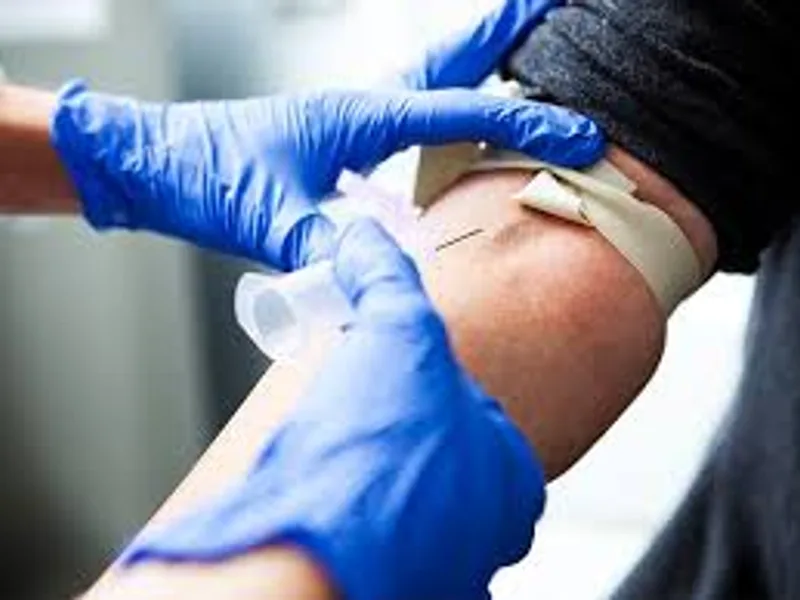
Fluid buildup in body cavities like the chest (pleural effusion), abdomen (ascites), or around the heart (pericardial effusion) can be a sign of underlying health issues. Doctors often order an LDH drain fluid test to help pinpoint the cause of this fluid accumulation.
This test measures the level of lactate dehydrogenase (LDH), an enzyme found in nearly all cells of the body. When cells are damaged or inflamed, they release LDH into the surrounding fluid.
The reality is, identifying the source of abnormal fluid is crucial for effective treatment. Elevated LDH levels in drained fluid can indicate inflammation, infection, or even certain types of cancer. By analyzing this enzyme alongside other markers, physicians can gain vital insights into a person's condition.
This diagnostic procedure is primarily used to differentiate between different types of effusions, especially distinguishing between transudative and exudative effusions. A transudative effusion typically results from systemic factors like heart failure or kidney disease, causing fluid to leak into the cavity.
Conversely, an exudative effusion arises from local inflammation or damage within the cavity itself, often due to infection, malignancy, or autoimmune diseases.
Practically speaking, the LDH test, often used with the Light's criteria, helps guide physicians in determining the next steps. For instance, a high LDH level in pleural fluid strongly suggests an exudative process.
It sounds simple. It rarely is.
Diagnosing Pleural Effusions: This is perhaps the most common use. It helps determine if the fluid in the lung cavity is due to infection (like pneumonia), inflammation, or cancer.
Identifying Ascites Causes: In cases of abdominal fluid buildup, the LDH test can assist in differentiating between causes like liver cirrhosis (often transudative) and infection (like spontaneous bacterial peritonitis, which is exudative).
Evaluating Pericardial Effusions: Fluid around the heart can be serious. The LDH level can offer clues about whether the cause is inflammatory (like pericarditis) or related to other systemic issues.
Interpreting LDH fluid test results involves looking at the absolute LDH level and comparing it to the serum (blood) LDH level. specialists also consider other factors like protein and albumin levels in the fluid.
Light's Criteria is a widely accepted guideline used for pleural effusions. According to these criteria, an effusion is considered exudative if one or more of the following are true:
The ratio of LDH in the pleural fluid to LDH in the serum is greater than 0.6.
The ratio of total protein in the pleural fluid to total protein in the serum is greater than 0.5.
LDH level in the pleural fluid is more than two-thirds the upper limit of normal for serum LDH.
So what does that mean for you? Simply put, meeting these criteria suggests a localized problem within the pleural space, requiring further investigation into inflammation or infection.
Here's the thing: normal ranges can vary slightly between laboratories. A typical upper limit for serum LDH might be around 200-400 U/L. However, the physician's interpretation is key, as they consider the full clinical picture.
The procedure to obtain the fluid sample is called a thoracentesis (for pleural fluid), paracentesis (for ascites), or pericardiocentesis (for pericardial fluid). It is typically performed by a specialist using ultrasound guidance for accuracy.
A local anesthetic is used to numb the area before a needle or catheter is inserted to drain the fluid. While it may sound daunting, many people find the procedure manageable. Living with the discomfort of fluid buildup is often harder than the brief procedure itself.
That's the part worth remembering.
We often see patients who are anxious before the sample collection. Remember, this fluid is being removed to support your healthcare providers understand and treat your concern better. It's a vital step towards recovery.
Lactate dehydrogenase (LDH) is an enzyme present in your body's cells. When cells are damaged or destroyed due to injury, infection, or inflammation, LDH is released into the bloodstream or other bodily fluids.
Yes, elevated LDH levels in drained fluid can be an indicator of malignancy (cancer). Cancer cells can cause inflammation and damage to surrounding tissues, leading to increased LDH release into the fluid. However, it's not a definitive cancer test on its own and requires further diagnostic steps.
The time frame for results can vary depending on the laboratory and the specific tests ordered. Typically, basic LDH levels might be available within 24-48 hours, while more complex analyses or confirmation tests could take longer. Your doctor will inform you about when to expect the results.
It sounds simple. It rarely is.
Always consult a qualified physician before making medical decisions.
Visit Hospital
Near You

Check the list of medical colleges in Jharkhand 2026-27, including government, private and AIIMS institutions, MBBS seats and admission details.
August 20, 2026

MBBS NEET counselling Jharkhand 2026 is being conducted through the Jharkhand Combined Entrance Competitive Examination Board (JCECEB) for eligible NEET-UG candidates.
August 20, 2026

You can text fifty people a day and still feel completely alone. That's the frequent contact loneliness paradox, and it trips up a lot of people who assume loneliness is just about how often you talk to someone. This article looks at why frequency of contact and the actual feeling of connection are
August 10, 2026