

Emergency & Help
24/7 Emergency & General Advisory
🚨 24/7 Medical Emergency
Non-Emergency Advisory
10:00 AM – 6:00 PM, Mon–Sat
For appointments & general queries.
24/7 Emergency & General Advisory
🚨 24/7 Medical Emergency
Non-Emergency Advisory
10:00 AM – 6:00 PM, Mon–Sat
For appointments & general queries.
Exploring the nuances of bias in Indian healthcare and how to navigate it for better patient outcomes.
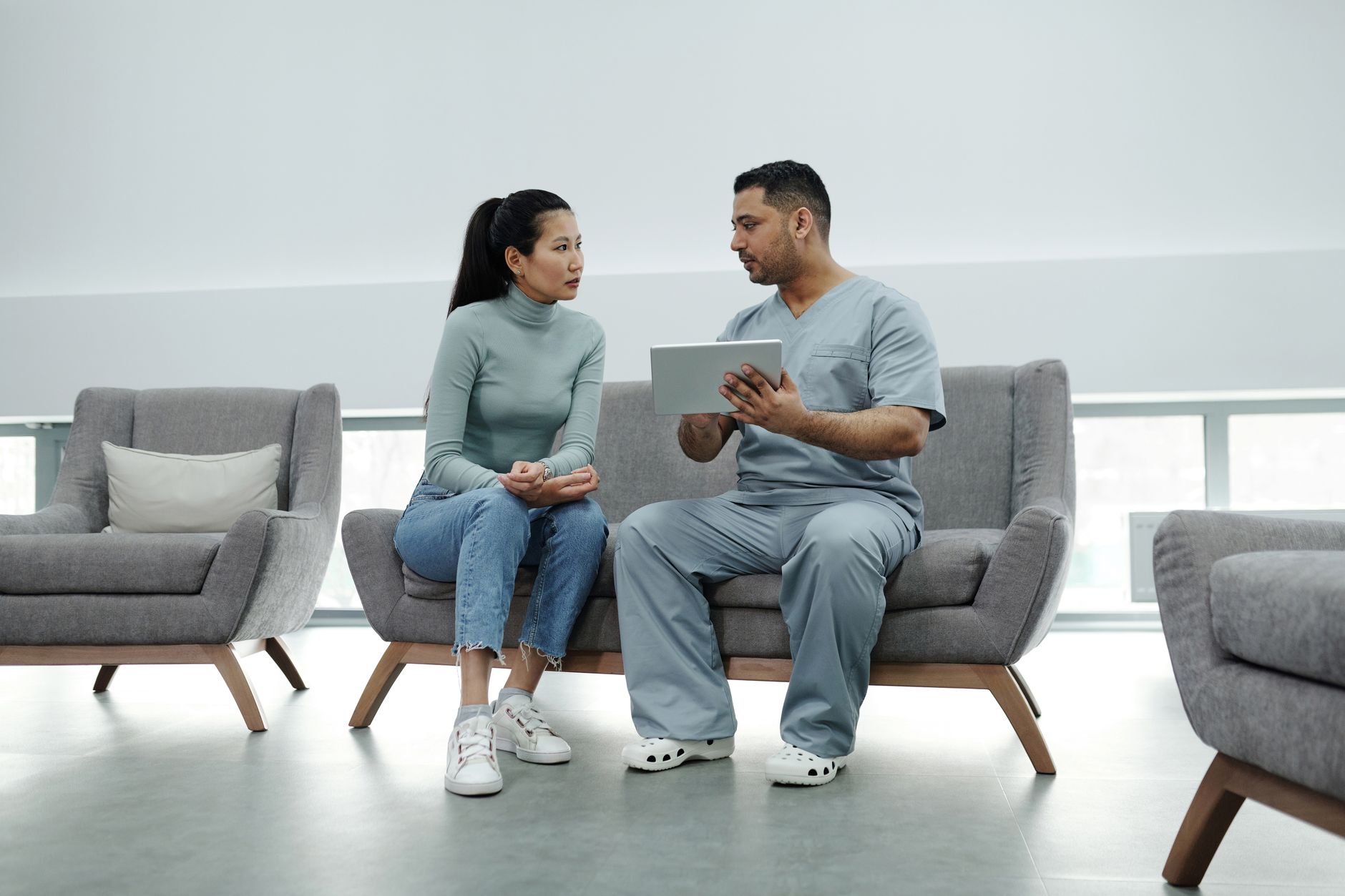
The experience of seeking medical care can be challenging for anyone, but for certain communities, additional layers of difficulty can arise. While the specific context of race and its impact on healthcare is widely discussed in Western countries, it's essential to acknowledge that similar biases, though perhaps manifesting differently, can affect individuals in India. This article explores the subtle and overt ways bias can impact healthcare experiences and offers practical advice for patients and the healthcare system alike.
Imagine this scenario: A patient from a minority community visits a clinic with persistent symptoms. They explain their concerns clearly to the doctor, but feel their words are not fully heard. The doctor's questions seem dismissive, and the recommended treatment feels inadequate. The patient leaves feeling frustrated and unheard, wondering if their concerns were taken less seriously because of their background. This feeling of being overlooked or misunderstood is a reality for many, and understanding its roots is the first step toward creating a more equitable healthcare system for everyone in India.
Bias in healthcare refers to prejudiced beliefs or attitudes that affect how medical professionals interact with or treat patients. This can range from unconscious stereotypes to overt discrimination. In India, while 'race' as understood in Western contexts might not be the primary factor, other forms of bias related to caste, religion, socioeconomic status, gender, and even regional origin can significantly influence patient care.
These biases can manifest in several ways:
The consequences of experiencing bias in healthcare are far-reaching:
When a patient's concerns are not taken seriously, it can lead to a delay in diagnosis, allowing conditions to worsen. For instance, a woman experiencing severe menstrual pain might be told it's
Most people do not notice early warning signs right away. That is common. A simple symptom diary, basic routine checks, and timely follow-up visits can prevent small problems from becoming serious.
If you are already on treatment, stay consistent with medicines and lifestyle advice. If your symptoms change, do not guess. Check with a qualified doctor and update your plan early.
Write down symptoms, triggers, and timing for a few days.
Carry old prescriptions and test reports to your consultation.
Ask clearly about side effects, red-flag signs, and follow-up dates.
Seek urgent care for severe pain, breathing trouble, bleeding, fainting, or sudden worsening.
Visit Hospital
Near You

Check the list of medical colleges in Jharkhand 2026-27, including government, private and AIIMS institutions, MBBS seats and admission details.
August 20, 2026

MBBS NEET counselling Jharkhand 2026 is being conducted through the Jharkhand Combined Entrance Competitive Examination Board (JCECEB) for eligible NEET-UG candidates.
August 20, 2026

You can text fifty people a day and still feel completely alone. That's the frequent contact loneliness paradox, and it trips up a lot of people who assume loneliness is just about how often you talk to someone. This article looks at why frequency of contact and the actual feeling of connection are
August 10, 2026