

Emergency & Help
24/7 Emergency & General Advisory
🚨 24/7 Medical Emergency
Non-Emergency Advisory
10:00 AM – 6:00 PM, Mon–Sat
For appointments & general queries.
24/7 Emergency & General Advisory
🚨 24/7 Medical Emergency
Non-Emergency Advisory
10:00 AM – 6:00 PM, Mon–Sat
For appointments & general queries.
Learn effective and safe ways to manage ladybug infestations in your home, from natural deterrents and physical removal to preventing their entry. Keep your home comfortable and ladybug-free.
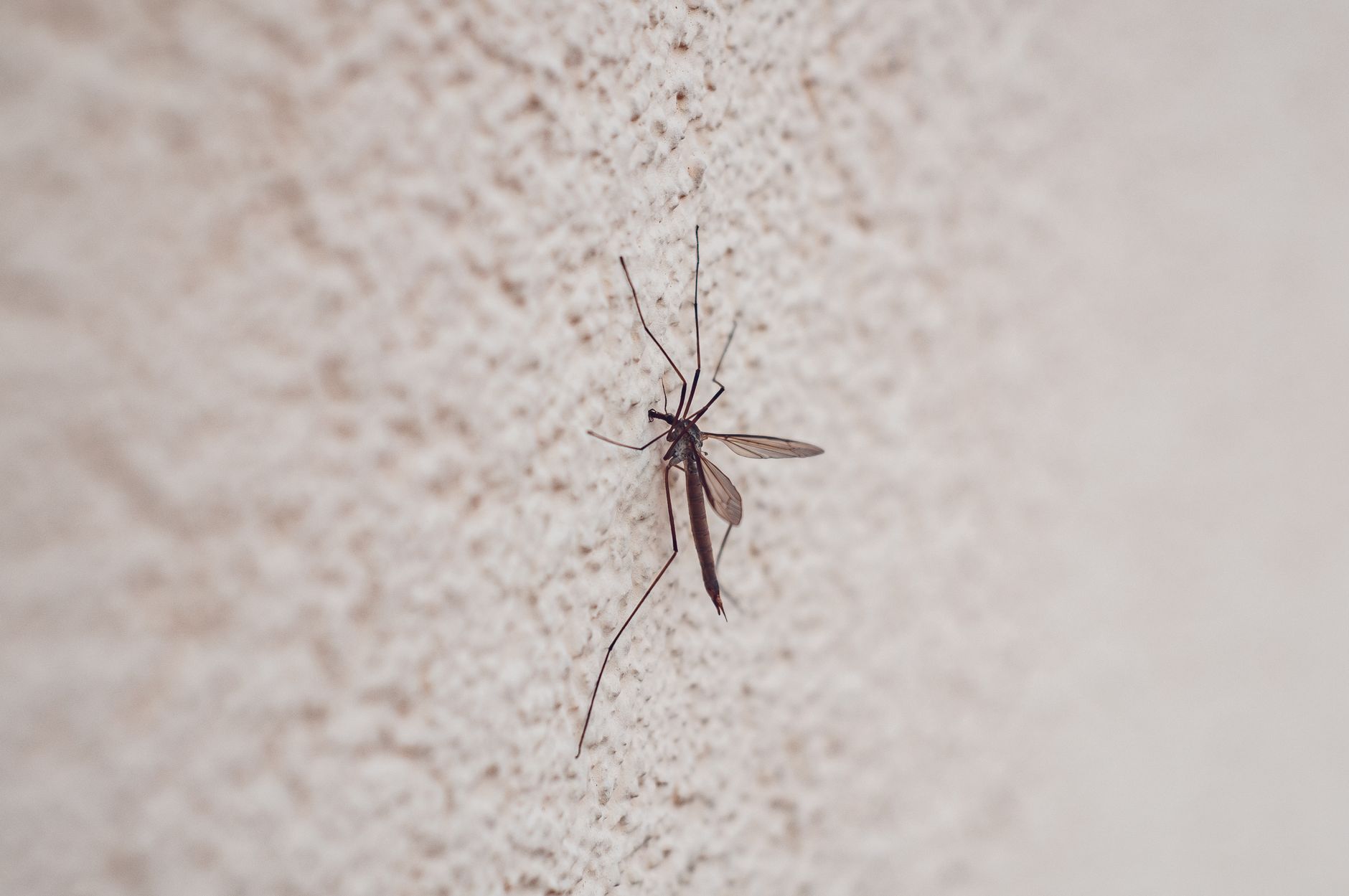
Ladybugs, those cheerful red and black insects, are often seen as garden helpers, diligently munching on pests like aphids. They are generally harmless and beneficial for our plants. However, as the weather cools, especially in autumn, these tiny creatures begin to seek warmth and shelter, often finding their way into our homes in large numbers. While a few ladybugs are no cause for alarm, an infestation can be a nuisance, leading to an unpleasant smell and unsightly orange stains from their defensive 'reflex bleeding.' This guide will walk you through safe and effective methods to encourage ladybugs to leave your home or to physically remove them, focusing on reader-friendly, practical advice for an Indian household. We'll explore natural deterrents, physical removal techniques, and importantly, how to prevent them from entering in the first place, all while keeping your family's health in mind.
Ladybugs are not trying to invade your personal space with malicious intent. Their primary goal is survival. As temperatures drop, they look for cozy, dry spots to overwinter. Your home, with its small cracks and openings around windows and doors, can appear as an ideal B&B. They are attracted by warmth and often by the pheromones left behind by previous ladybug visitors. This can lead to swarms congregating inside walls or in attics. It’s important to remember that ladybugs don't sting or spread diseases. If they do 'bite,' it's more of a pinch and is usually a defensive reaction. However, for some individuals, particularly during their peak season in fall and winter, exposure to ladybugs can trigger allergic reactions, making their presence even more undesirable.
When you spot a ladybug or a small group, the most straightforward method is physical removal. For larger numbers, this might seem daunting, but with the right approach, it can be manageable.
This is one of the most efficient ways to deal with a swarm. A vacuum cleaner can quickly suck up a large number of ladybugs. The key is to dispose of the bag or canister immediately after, preferably outside your home, to prevent them from crawling back out or dying inside the machine. This method is less likely to trigger their reflex bleeding compared to sweeping.
Real-life scenario: Imagine you return home after a week's holiday to find a dozen ladybugs on your living room window sill. You grab your vacuum, quickly suck them up, and then take the vacuum cleaner outside to empty the dustbin into the garden, far from your house. Problem solved without fuss!
For smaller numbers, a soft brush and dustpan work well. Gently sweep the ladybugs into the dustpan and then release them outdoors, away from your home's entry points. While this is effective, try to be gentle to minimize the chance of reflex bleeding. If you notice any orange staining, wipe it up with a damp cloth.
Prevention is always better than cure. Making your home less inviting to ladybugs can significantly reduce the chances of an infestation. Several natural substances are known to repel them.
Ladybugs dislike the scent of citrus. You can use citrus oils, like lemon or orange oil, to clean surfaces where you've seen ladybugs. Alternatively, place citrus peels strategically near entry points. Cloves and bay leaves are also effective. Placing whole cloves or bay leaves in sachets or directly in areas where ladybugs tend to gather can deter them. This is a safe method for homes with children and pets.
Certain plants naturally repel ladybugs. Chrysanthemums (mums) contain a chemical that is toxic to insects but safe for humans and other animals. Planting mums around your home's foundation or placing cut mums in vases indoors can help. Lavender is another flowering plant that ladybugs tend to avoid. Planting lavender near entryways can act as a natural barrier.
Diatomaceous earth (DE) is a soft, sedimentary rock that is crushed into a fine powder. Food-grade DE is safe for humans and pets. It works by absorbing the outer coating of the ladybug, causing them to dehydrate and die. You can sprinkle a thin layer of DE in areas where ladybugs are entering, such as along window sills, door frames, and in cracks. Be sure to use only food-grade DE and avoid inhaling the dust.
The most effective long-term strategy is to block ladybugs from entering your home in the first place. This involves a thorough inspection of your home's exterior and interior.
While not recommended for indoor use due to health risks, some natural insecticides can be applied to the exterior of your home to deter ladybugs. Pyrethrin-based sprays, derived from chrysanthemum flowers, can be used sparingly around entry points. Always follow product instructions carefully and consider the impact on beneficial insects and the environment.
If you've tried various methods and are still struggling with persistent ladybug infestations, it might be time to call a pest control professional. They can identify entry points you may have missed and implement targeted treatments safely and effectively. When choosing a professional, inquire about their methods and ensure they prioritize non-toxic or least-toxic solutions, especially if you have children or pets.
Dealing with a ladybug infestation doesn't have to be stressful. By understanding their behavior and employing these safe, practical methods, you can effectively manage their presence and keep your home a ladybug-free sanctuary. Remember, a little prevention goes a long way in ensuring a comfortable living space for everyone, including yourself!
Visit Hospital
Near You

Check the list of medical colleges in Jharkhand 2026-27, including government, private and AIIMS institutions, MBBS seats and admission details.
August 20, 2026

MBBS NEET counselling Jharkhand 2026 is being conducted through the Jharkhand Combined Entrance Competitive Examination Board (JCECEB) for eligible NEET-UG candidates.
August 20, 2026

You can text fifty people a day and still feel completely alone. That's the frequent contact loneliness paradox, and it trips up a lot of people who assume loneliness is just about how often you talk to someone. This article looks at why frequency of contact and the actual feeling of connection are
August 10, 2026